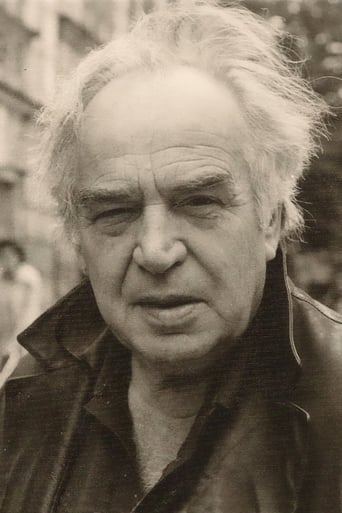
Ota Sklenčka

Acting

Ota Sklenčka

Born December 19, 1919 · Hradec Králové, Československo

Died October 10, 1993 · aged 73

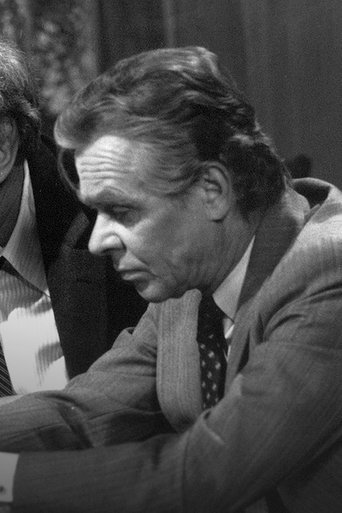
Ota Sklenčka (19 December 1919 in Hradec Králové – 10 October 1993 in Prague) was a Czech actor. He starred in the film Poslední propadne peklu under director Ludvík Ráža in 1982. He graduated from grammar school in 1939, after less than a semester of medical studies, when the Nazis closed down Czech universities, he took the stage. He started acting with Horror at the Horácký Theater from where …

Known For
Tomorrow I'll Wake Up and Scald Myself with TeaTomorrow I'll Wake Up and Scald Myself with Tea · 1977
Tomorrow I'll Wake Up and Scald Myself with Tea
★ 6.21977
MovieComedyScience Fiction
Former Nazi Klaus Abard survives to the 1990s by taking anti-ageing pills. He plans to use a time travel trip to return to Germany in 1944 and present Hitler with a hydrogen bomb, so that he can win the war. Unfortunately the pilot, woman-chasing Karel Bures, dies on the morning of the trip and his earnest twin brother Jan impersonates him, without knowing about the plot.
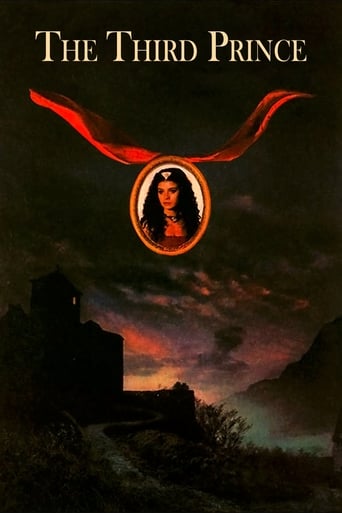
The Third PrinceThe Third Prince · 1983
The Third Prince
★ 6.11983
MovieFamilyFantasy
Brave sons of the king, twin brothers Jaroslav and Jaromír love and help each other. It was they and another brother - Jindrich, who once saw the portrait of Princess of Diamond Mountains, fell in love and went on her quest.
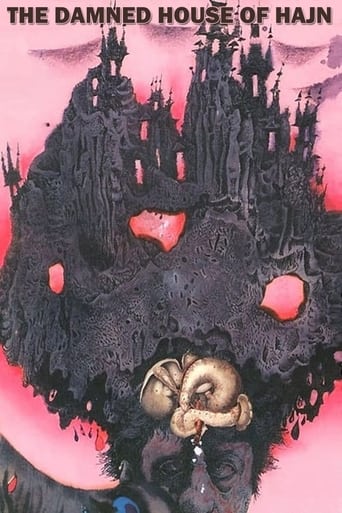
The Damned House of HajnThe Damned House of Hajn · 1989
The Damned House of Hajn
★ 5.81989
MovieDramaThriller
Sonya is the heiress to the riches of a Czech noble family—the Hajns. Petr, a social climber marries her, ignoring some shady goings-on—in particular, an insane uncle who prowls the mansion believing himself invisible, a peccadillo the family indulges. The uncle’s stalking every corner of the house, popping out of cupboards and out from behind curtains slowly takes its toll on the young bride.
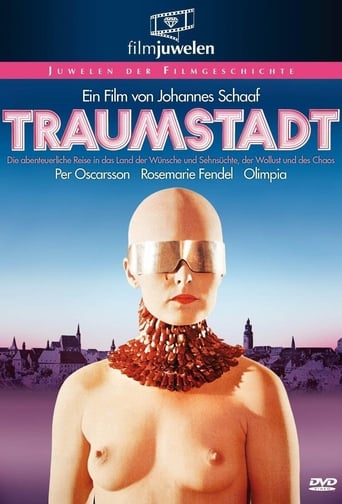
Dream CityDream City · 1973
Dream City
★ 6.11973
MovieAdventure
A married couple of artists move to a utopian town known for its absolute freedom, but behind the surface perversion and violence are spreading.
O mrtvých jen dobřeO mrtvých jen dobře · 1986
O mrtvých jen dobře
1986
MovieCrimeTV Movie
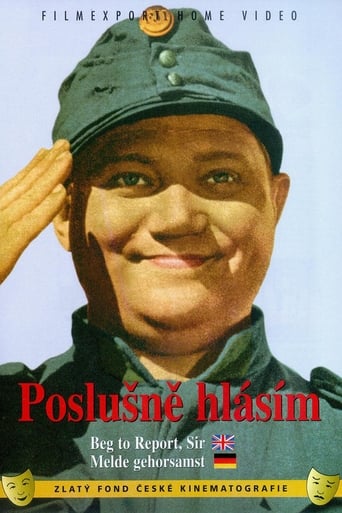
I Dutifully ReportI Dutifully Report · 1958
I Dutifully Report
★ 6.91958
MovieComedyWar
A comedy based on the novel of Jaroslav Hašek's The Good Soldier Svejk happens during the World War I. I Dutifully Report: In the introduction to the second part of the film adaptation of Hašek's novel The Good Soldier Švějk presents his main character Josef Švejk. With the distinctive traditional Czech cartoon character of a soldier Svejk, this time you meet on the way to the front and eventually right in the firing line. You can look at his famous train events, and also probably the most famous episode of the novel, Švejk's Budějovice anabasis. Don't miss the scene with the secretly bought cognac, the episode with Svejk as a fake Russian prisoner of war, including the court scene, and the scene in which lieutenant Dub is caught in a brothel. Despite the criticism, Steklý's adaptation is undoubtedly the most famous and memorable at present.
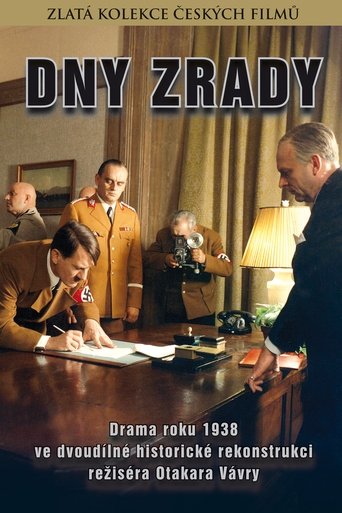
Days of BetrayalDays of Betrayal · 1973
Days of Betrayal
★ 5.61973
MovieHistoryDrama
This feature film based on the events of 1938 is a chronicle of the futile efforts of the Czechoslovak president Edvard Benes (Jirí Pleskot), politicians and ordinary citizens, to save the independence and the territorial integrity of the state from the advance of Hitler's Germany. On the 29th of March 1938 the leader of the Sudeten Germans Henlein (Werner Ehrlicher) has a meeting with Hitler (Gunnar Möller). Hitler orders him to intensify pressure on the Czechoslovak government. On the 24th of April in Carlsbad, the Sudetendeutsche Partei (Sudeten German Party) decides upon eight demands that are unacceptable to the Czechoslovak President, since they would ultimately lead to the break-up of the Republic. Benes still shows a certain willingness to negotiate, and Henlein resents this. The Germans are determined to make further negotiations impossible through incidents and violence.
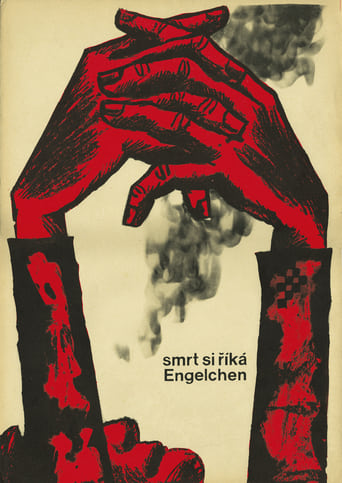
Death Is Called EngelchenDeath Is Called Engelchen · 1963
Death Is Called Engelchen
★ 6.41963
MovieDramaWar
Pavel is a Czech partisan fighter in the waning days of the war. Just as peace is declared, Pavel is shot in the spine and sent to the hospital emergency ward. As he fades in and out of consciousness, he recalls the events that led to his participation in the underground. Holding German occupation commander Engelchen responsible for all the horrors and deprivations heaped upon his comrades, Pavel is kept alive by the possibility of recovering and exacting vengeance upon the Nazi officer - no matter how long it takes.
Filmography

Sort
I Dutifully ReportI Dutifully Report · 1958
I Dutifully Report
★ 6.91958
MovieComedyWar
A comedy based on the novel of Jaroslav Hašek's The Good Soldier Svejk happens during the World War I. I Dutifully Report: In the introduction to the second part of the film adaptation of Hašek's novel The Good Soldier Švějk presents his main character Josef Švejk. With the distinctive traditional Czech cartoon character of a soldier Svejk, this time you meet on the way to the front and eventually right in the firing line. You can look at his famous train events, and also probably the most famous episode of the novel, Švejk's Budějovice anabasis. Don't miss the scene with the secretly bought cognac, the episode with Svejk as a fake Russian prisoner of war, including the court scene, and the scene in which lieutenant Dub is caught in a brothel. Despite the criticism, Steklý's adaptation is undoubtedly the most famous and memorable at present.

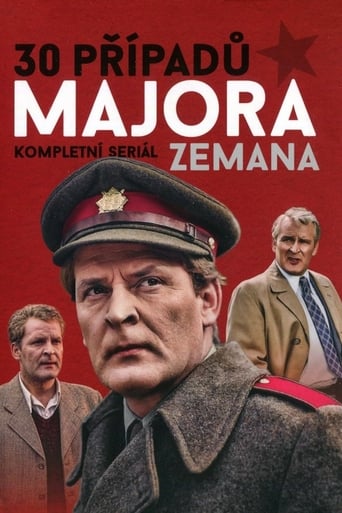
Major wolf

Days of BetrayalDays of Betrayal · 1973
Days of Betrayal
★ 5.61973
MovieHistoryDrama
This feature film based on the events of 1938 is a chronicle of the futile efforts of the Czechoslovak president Edvard Benes (Jirí Pleskot), politicians and ordinary citizens, to save the independence and the territorial integrity of the state from the advance of Hitler's Germany. On the 29th of March 1938 the leader of the Sudeten Germans Henlein (Werner Ehrlicher) has a meeting with Hitler (Gunnar Möller). Hitler orders him to intensify pressure on the Czechoslovak government. On the 24th of April in Carlsbad, the Sudetendeutsche Partei (Sudeten German Party) decides upon eight demands that are unacceptable to the Czechoslovak President, since they would ultimately lead to the break-up of the Republic. Benes still shows a certain willingness to negotiate, and Henlein resents this. The Germans are determined to make further negotiations impossible through incidents and violence.
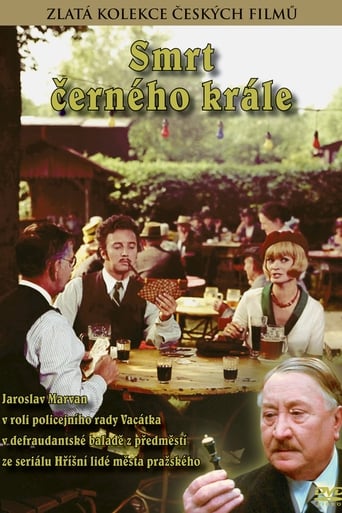
The Death of Black KingThe Death of Black King · 1972
The Death of Black King
★ 5.21972
MovieComedyCrime
Prague in the 1930s. A young, pretty girl gets on a crowded tram. She immediately catches the attention of a young man who not only appreciates the girl's charm, but also tries to steal her handbag discreetly. And so we meet one of the main characters of the film, a swindler, pickpocket and generally strange being Josef Kořínek alias Pépi. In addition to him, the story is populated by other characters from the Prague outskirts. Of course, the film also features the shrewd councilman Vacátko and his inseparable investigators Brůžek and Bouše. They have a sad duty - to track down the murderer of the collector Krále, who was found dead and who lost a sum of money on the way from the bank that could interest many people from his surroundings...
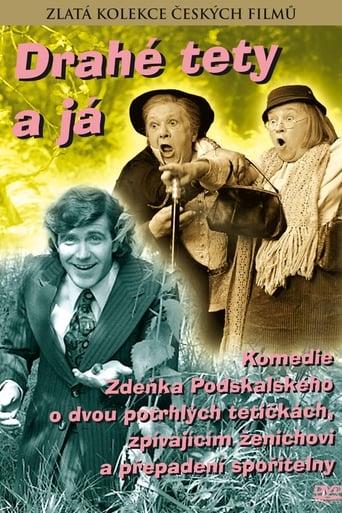
My Dear Aunt and MeMy Dear Aunt and Me · 1975
My Dear Aunt and Me
★ 7.31975
MovieComedyCrime
Two kind but foolish sisters live together in their villa in a small town in South Bohemia. Fany (Natasa Gollová) has never married and Andelka (Eva Svobodová) is a widow. In the morning, the two sisters go into town. They need to buy fuel oil, put money in the bank and give plums to the teller. In the meantime an smallish orange Skoda MB car parks at their house, with Hermínka (Iva Janzurová), the old ladies' niece, and her fiancé Michal (Jirí Hrzán) in it. Michal has forgotten to bring flowers and has to go into town to fetch them. At the bank, Fany wants to deposit money but the minute the teller opens the safe, a thief arrives. He knocks the teller and Fany unconscious and runs away with the money. When Fany comes to her senses again, she sees Michal and accuses him of being the thief.
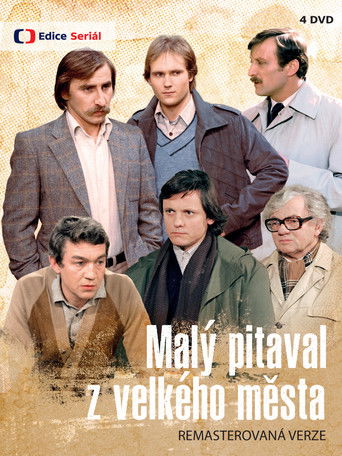
kapitán kriminální policie

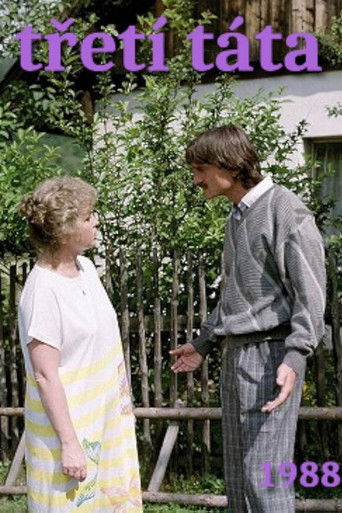
The Third DaddyThe Third Daddy · 1988
The Third Daddy
★ 6.01988
MovieFamily
A holiday story about how little Jakub found the right man for his mother. An advertisement in which Mr. Vlk offers free accommodation at his country cottage in exchange for holiday housekeeping brings together three people, each unhappy in their own way: Vlk, an "almost old bachelor", whose acquaintance with a young girl, Mrs. Jelínková, who is in vain looking for a stronger emotional relationship after the death of her husband, is not working out, and little Jakub, for whom none of his mother's suitors have yet been able to replace his deceased father. The situation becomes complicated when his mother falls ill and Vlk has to take care of the boy alone. Jakub wins a new father, thanks to him the two adults become closer, and he finally has the father he chose and deserved.
The Physician of a Dying TimeThe Physician of a Dying Time · 1984
The Physician of a Dying Time
★ 8.01984
SeriesDrama
Series about the life of Renaissance anatomist, scholar and politic Johannes Jessenius. Already legendary series today, was produced by Czechoslovak Television Bratislava, directed by Slovak director Miroslav Luther in the first half of 80's in Barrandov Studios in Prague. The story and screenplay of the series wrote Czech writer Vladimír Körner. Five-episodes epic historical narration is a biographical story of distinguished Renaissance scholar, anatomist and politic of Slovak origin, Johannes Jessenius (Ján Jesenský, 1566–1621). It displays his life from the first studies and successes. In 1594 he became professor of surgery and anatomy on Wittenberg University, which he had attended years before. From that moment, his life went through social and personal wins and losses, to the sad end on the Prague Old Town Square gallows, among 27 noblemen, knights and burgenses, after lose Bohemian Revolt in 1621. His destiny was coupled with key events of Czech history in the break of 16th and 17th century, when Renaissance and European humanism slowly fade out.

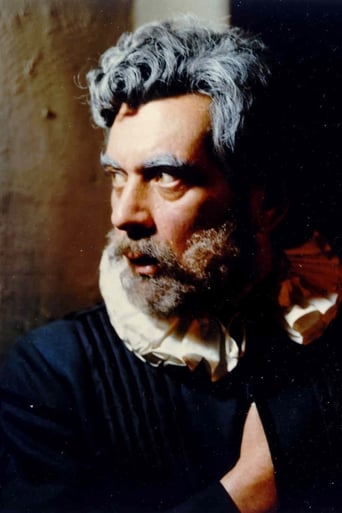
Václav Budovec