Directing
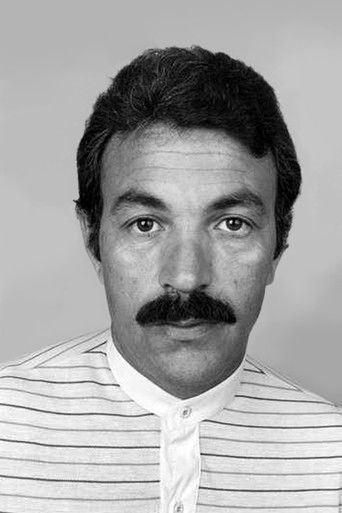
Mohamed Chouikh
Born November 3, 1943 · Mostaganem, Algéria (age 82)
Mohamed Chouikh (Arabic: محمد الشويخ), born September 3, 1943, in Mostaganem, Algeria, is an Algerian actor, screenwriter, and director. He was eleven years old in 1954 when the Algerian War began. Following the declaration of independence in 1962, he joined a theater troupe that would later become the Algerian National Theater. From then on, he actively worked with other artists to develop theat…
Known For
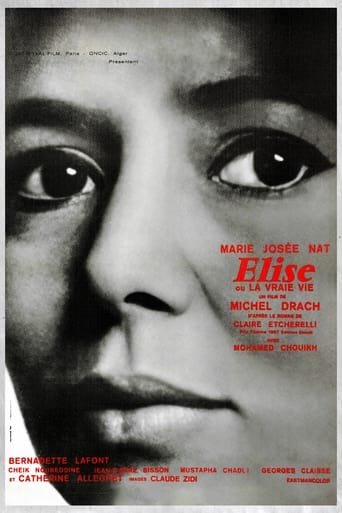 Elise, or Real Life · 1970
Elise, or Real Life
★ 6.21970
MovieDrama
In the middle of the Algerian war, Elise, from Bordeaux, “goes” to Paris to join her brother to earn her living in an automobile factory. There she meets Arezki, an Algerian nationalist activist with whom she falls in love. A chronicle of working life at the time and which highlights the extent of police repression against Algerians.
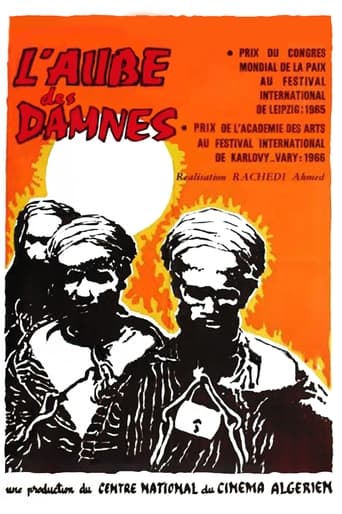 Dawn of the Damned · 1965
Dawn of the Damned
★ 7.41965
MovieDocumentaryHistory
This excellent feature-length documentary - the story of the imperialist colonization of Africa - is a film about death. Its most shocking sequences derive from the captured French film archives in Algeria containing - unbelievably - masses of French-shot documentary footage of their tortures, massacres and executions of Algerians. The real death of children, passers-by, resistance fighters, one after the other, becomes unbearable. Rather than be blatant propaganda, the film convinces entirely by its visual evidence, constituting an object lesson for revolutionary cinema.
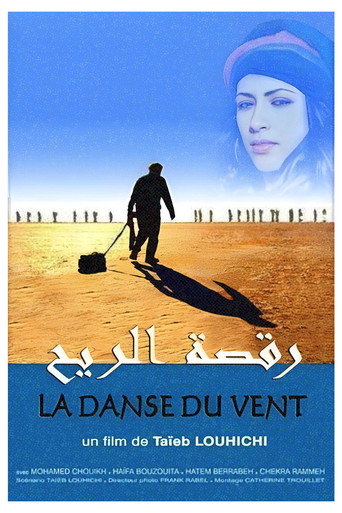 Dance of the Wind · 2003
Dance of the Wind
★ 10.02003
MovieDramaAdventure
The Dance of the Wind (Arabic: رقصة الريح) is an Algerian-Tunisian film and the fourth feature film by Taïeb Louhichi. Shot digitally, it differs from his previous films in its emphasis on meditation rather than vast outdoor landscapes. While scouting locations for his film in southern Tunisia, director Youssef meets the gaze of a stunning Berber woman who orders him not to film her. This marks the beginning of a wandering journey that leads him to his downfall in the vast desert, prey by day to mirages, by night to his anxieties, childhood memories, his first cinematic experiences, and the fear of seeing his film fail because he has let his mind wander. His car is his only anchor and his means of resistance, thanks to the contents of its trunk where he keeps scripts, photos, and means of subsistence.
 The Passengers · 1971
The Passengers
1971
MovieDocumentary
A documentary about algerian immigration in France
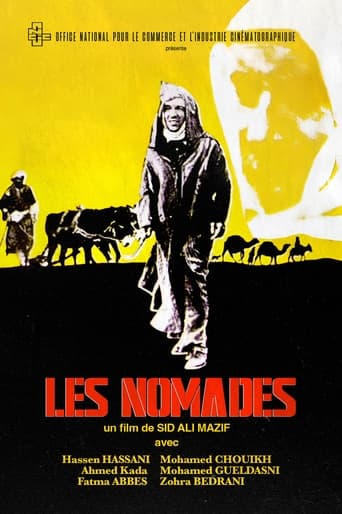 The Nomads · 1976
The Nomads
★ 10.01976
MovieDrama
When their father dies, three nomadic sons choose different voices. The first part for the city, the second tries to live as its ancestors develop and the third integrates one of the new agricultural cooperations. "A pastoral society (1,500,000 inhabitants) on the threshold of decisive choices, destructured by the evolution of economic relations which lead to the concentration of herds in the hands of a few, to the support of rangelands and to the movement of impoverishment and proletarianization of the greatest number. The attitudes of the protagonists occur in relation to the economic and political involved in the process of agrarian revolution. The alternative lies only in the free adherence of small breeders to the forms of economic and social reorganization of the Agrarian Revolution and their insertion in the profound movements of social and political change that affect Algerian society." Sid Ali Mazif
 Breakdown · 1982
Breakdown
★ 8.71982
MovieDrama
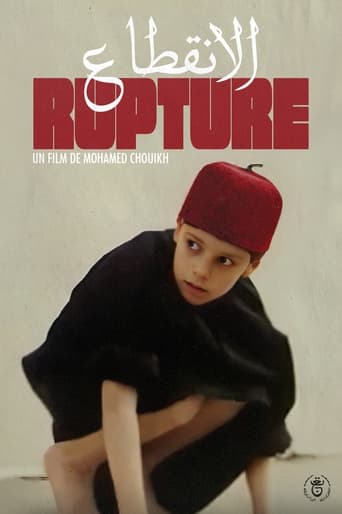
"Rupture is a look at a complex and little-known period in the recent history of Algeria, that of the thirties, a time when a political conscience was beginning to assert itself. I wanted to understand how and by what miracle, despite the small individual and collective revolts that had failed in the past, the unity of the Algerian people had been forged around the reconquest of independence. The main figures who worked, each in their own way, for this idea, are men who have always lived in the shadows and forgotten. And that's how I tried through this film to pay tribute to all those who gave up everything to dedicate themselves to a cause they considered just". Mohamed Chouikh
 L'Obstacle · 1965
L'Obstacle
★ 10.01965
MovieComedyRomance
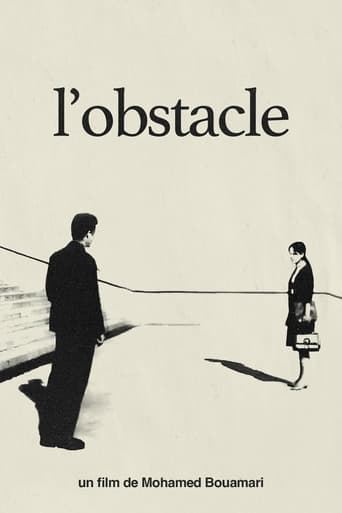
Algerian youth of the 1960s, straddling traditional South Mediterranean and Western culture and the desire for emancipation of younger generations to find true love.
 The Desert Ark · 1998
The Desert Ark
★ 6.91998
MovieDrama
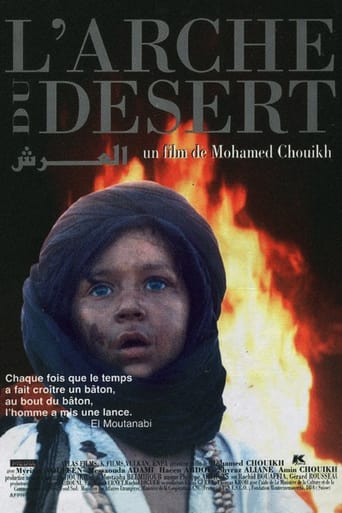
The Desert Ark (L'Arche du Desert), a variation on Romeo and Juliet set in the Algerian desert. A young couple must face inevitable conflict when their rival families discover their secret love. Taking refuge in a cave, they listen to the sounds of a senseless campaign of violence and murder, which is the culmination of the extremism that has long divided their two communities. Nominated for the Golden Leopard at the 1997 Locarno Film Festival.
Filmography
Sort