Directing
Jean Eustache
Born November 30, 1938 · Pessac, Gironde, France
Died November 5, 1981 · aged 42
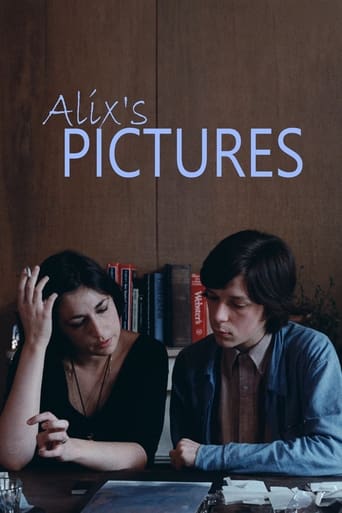
Jean Eustache was born on November 30, 1938 in Pessac, Gironde, France. He was a director and editor, known for The Mother and the Whore (1973), Mes Petites Amoureuses (1974) and Les photos d'Alix (1980). He died on November 3, 1981 in Paris, France.
Known For
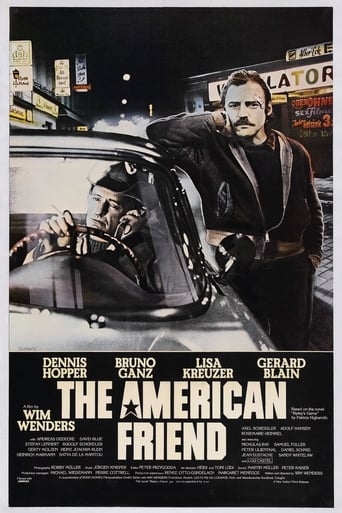 The American Friend · 1977
The American Friend
★ 7.11977
MovieDramaThriller
Tom Ripley, an American who deals in forged art, is slighted at an auction in Hamburg by picture framer Jonathan Zimmerman. When Ripley is asked by gangster Raoul Minot to kill a rival, he suggests Zimmerman, and the two, exploiting Zimmerman's terminal illness, coerce him into being a hitman.
 The Mother and the Whore · 1973
The Mother and the Whore
★ 7.31973
MovieDramaRomance
Aimless young Alexandre juggles his relationships with his girlfriend, Marie, and a casual lover named Veronika. Marie becomes increasingly jealous of Alexandre's fling with Veronika and as the trio continues their unsustainable affair, the emotional stakes get higher, leading to conflict and unhappiness.
 My Little Loves · 1974
My Little Loves
★ 6.71974
MovieDrama
Daniel lives with his grandmother and, after a year of high school, goes to live with his mother in the south of France; a harsher environment which rapidly changes his perception of friends, work, and women.
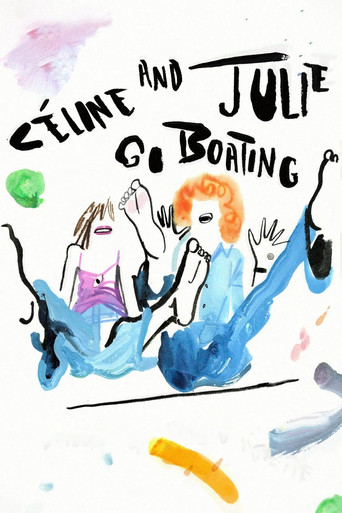 Céline and Julie Go Boating · 1974
Céline and Julie Go Boating
★ 6.81974
MovieComedyDrama
Julie, a daydreaming librarian, meets Céline, an enigmatic magician, and together they become the heroines of a time-warping adventure involving a haunted house, psychotropic candy, and a murder-mystery melodrama.
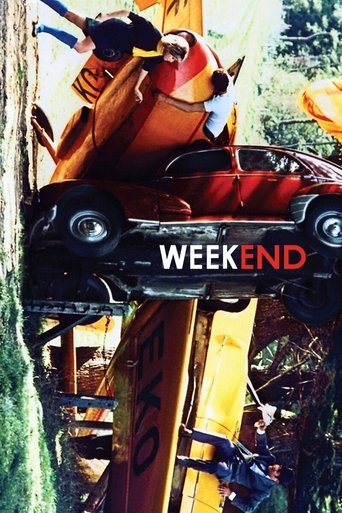 Weekend · 1967
Weekend
★ 6.91967
MovieComedy
A supposedly idyllic weekend trip to the countryside turns into a never-ending nightmare of traffic jams, revolution, cannibalism and murder as French bourgeois society starts to collapse under the weight of its own consumer preoccupations.
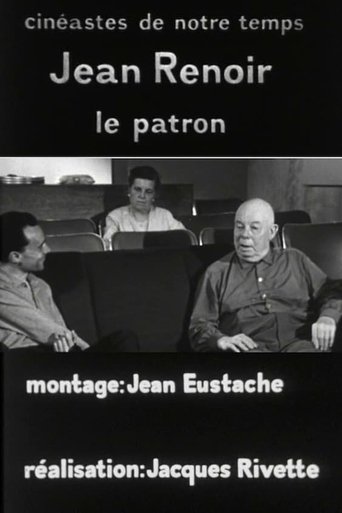 Jean Renoir, le patron, 3e partie: La règle et l'exception · 1967
Jean Renoir, le patron, 3e partie: La règle et l'exception
1967
MovieDocumentary
In the third part of a Cinéastes triptych on Jean Renoir, the director sits alone in a cinema analyzing scenes from La Marseillaise and The Rules of the Game, and discussing his editing and storytelling techniques.
 The Idols · 1968
The Idols
★ 6.21968
MovieMusic
This satire concerns three French singing idols and their attempt to stay in the public eye. A press conference, backstage hedonism, psychedelia, manipulative managers and disc jockeys are portrayed as the pop culture is thoroughly and effectively lampooned in this independent feature.
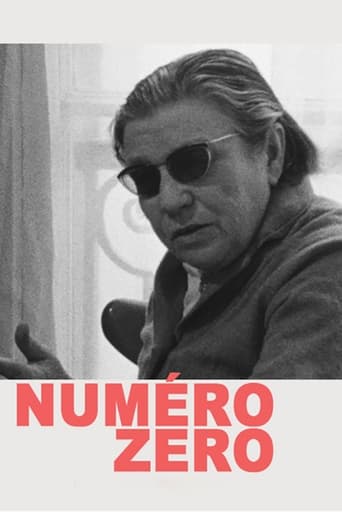 Numéro zéro · 1971
Numéro zéro
★ 8.51971
MovieDocumentary
A family portrait in which the director profiles his grandmother, Odette Robert. Eustache includes in the film the conditions of its production — he is seated at the table with her, pours her some whiskey, speaks with the camera operator, manipulates the clapboard at the head and tail of the reels, and even takes a phone call. Robert, who was seventy-one, speaks rapidly and tells the story of her life, starting from her early childhood in villages in the Bordeaux region of France. A shorter version of the film ("Odette Robert") was edited in 1980 to be broadcast on television on TF1. The complete film only gained exposure in 2002, when it was salvaged by Boris Eustache, Thierry Lounas, João Bénard da Costa, Jean-Marie Straub, and Pedro Costa.
Filmography
Sort
Céline and Julie Go Boating · 1974Céline and Julie Go Boating
★ 6.81974
MovieComedyDrama
Julie, a daydreaming librarian, meets Céline, an enigmatic magician, and together they become the heroines of a time-warping adventure involving a haunted house, psychotropic candy, and a murder-mystery melodrama.
Spectateur au cabaret / Lecteur à la bibliohèque (uncredited)

 imagenaction · 2024
imagenaction
2024
Movie
The confrontation of reality and dream.
Archive footage (voice)