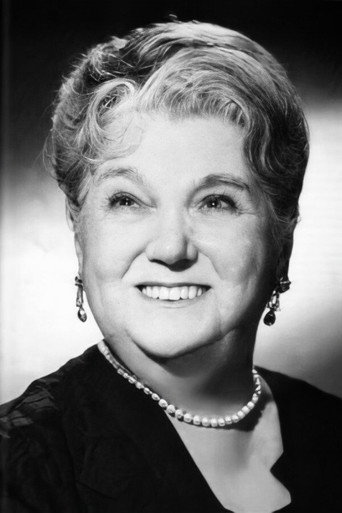
Acting
Sara García
Born September 8, 1895 · Orizaba, Veracruz, Mexico
Died November 21, 1980 · aged 85
Sara García (8 September 1895 – 21 November 1980) was a Mexican actress who made her biggest mark during the "Golden Age of Mexican cinema". During the 1940s and 1950s, she often played the part of a no-nonsense but lovable grandmother in numerous Mexican films. In later years, she played parts in Mexican telenovelas. Known as "Mexican Cinema's Grandmother", García's image is displayed on the labe…
Known For
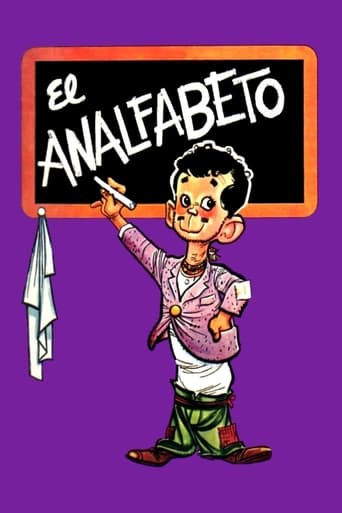 El analfabeto · 1961
El analfabeto
★ 7.81961
MovieComedy
Inocencio Prieto y Calvo receives a letter telling him he is the heir to his uncle's fortune of two million pesos. Not being able to read he has no idea of who sent the letter or its content. So he goes to the drugstore because the pharmacist can read the letter to him. But while waiting to be helped he sees that a young girl can read. He figures he has to be able to discover the letter's content by himself and decides he will save the letter and go to school, and wait to read the letter on his own.
 ¡Ay qué rechula es Puebla! · 1946
¡Ay qué rechula es Puebla!
★ 5.81946
MovieDramaComedy
Two charros from Hacienda A come a-courtin' to hacienda B, owned by a friend of their father's. Also a horse-race.
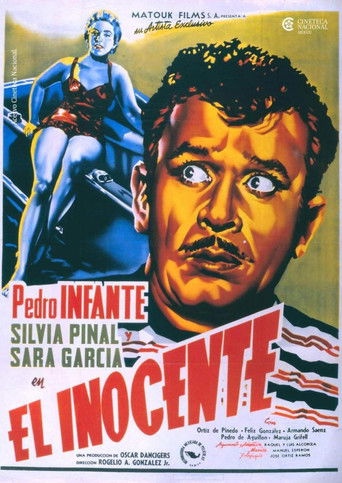 The Innocent · 1956
The Innocent
★ 7.11956
MovieComedyMusic
After a quarrel with her boyfriend on New Year's Eve, Mane drives her car from Mexico City to Cuernavaca to meet her parents in their country house. The car breaks down in the highway and Mane has to ask for help. Mechanic Cruci arrives and, after testing the car, offers Mane a ride on his motorcycle. Back in Mane's house, she invites him some drinks to celebrate New Year's Eve. They get drunk and, the morning after, Mane's parents arrive and find them sleeping together. Not knowing what happened, Mane and Cruci are forced to get married against their will.
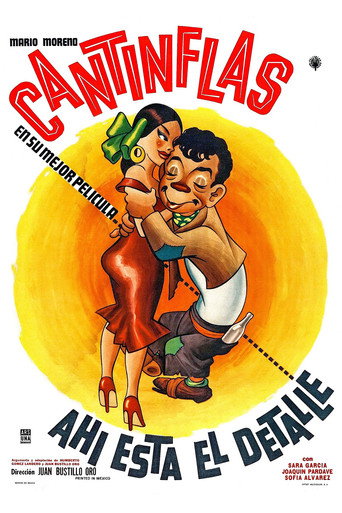 You’re Missing the Point · 1940
You’re Missing the Point
★ 8.21940
MovieComedy
Cantinflas, the boyfriend of the servant of a rich industrial man, gets into the house in order to kill a mad dog. Suddenly this man appears so the servant tells him that Cantinflas is his wife's brother (Leonardo), who had been lost for years. The rich man then remembers that his father in law's testament could only be paid when all brothers get together, so treats Cantinflas, a real bum, as a king.
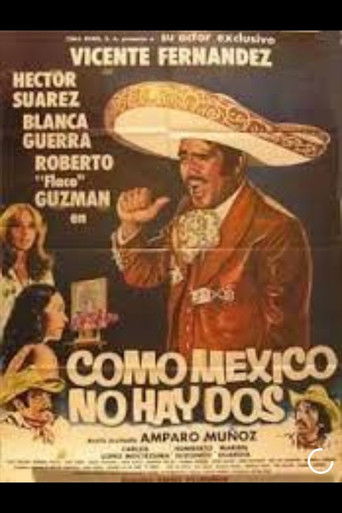 Como México no hay dos · 1981
Como México no hay dos
★ 7.51981
MovieDrama
Rags-to-riches story about the rise of a fictional ranchera-music superstar.
 ¡Qué Viva México! · 1979
¡Qué Viva México!
★ 6.81979
MovieDocumentaryDrama
Having revolutionized film editing through such masterworks of montage as Potemkin and Strike, Soviet director Sergei Eisenstein emigrated West in hopes of testing the capabilities of the American film industry. Quickly ostracized from Hollywood, Eisenstein, Grigory Alexandrov, and photographer Eduard Tisse (at the urging of author Upton Sinclair) wandered south of the border, where they began filming a highly stylized documentary about the people and volatile social climate of Mexico. Unfortunately, a lack of funds prohibited the film's completion, and the famed director was unable to edit the film. In 1979, by referring to Eisenstein's extensive notes and sketches, Alexandrov assembled the most definitive version of the film; as close to Eisenstein's vision as one is ever likely to see.
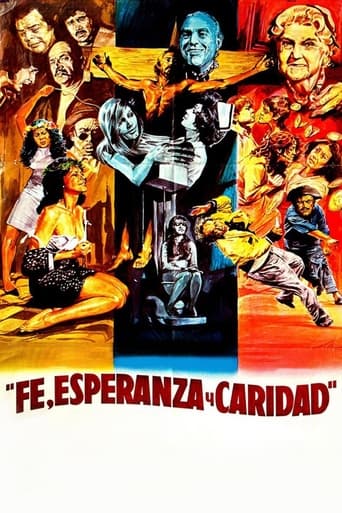 Faith, Hope and Charity · 1974
Faith, Hope and Charity
★ 6.51974
MovieDramaComedy
Three episodes. Faith: a woman is attacked. Hope: a fakir is crucified. Charity: a woman faces bureaucracy.
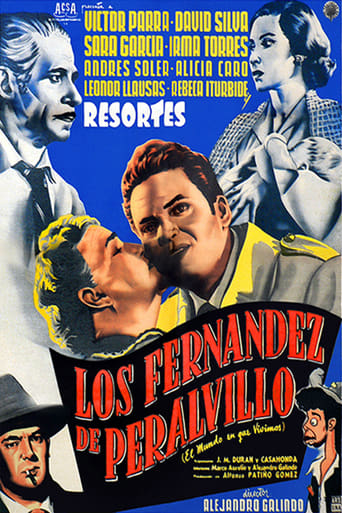 Los Fernández de Peralvillo · 1954
Los Fernández de Peralvillo
★ 6.61954
MovieDramaCrime
A young man fails as a seller of household goods and his sister, tired of poverty, elopes with a criminal.
Filmography
Sort
Faith, Hope and Charity · 1974Faith, Hope and Charity
★ 6.51974
MovieDramaComedy
Three episodes. Faith: a woman is attacked. Hope: a fakir is crucified. Charity: a woman faces bureaucracy.
Old woman (segment "Caridad")