B
Acting
Breno Moroni
Born February 6, 1954 · Petrópolis, Rio de Janeiro, Brazil (age 72)
No biography available.
Known For
 Chatô, The King of Brazil · 2015
Chatô, The King of Brazil
★ 5.22015
MovieDramaComedy
The true story of Assis Chateaubriand, the first magnate of communications in Brazil. Due to his influence during the late 1930s up to the early 1960s, he has come to be called 'the Brazilian Citizen Kane'.
 My Father · 2003
My Father
★ 6.72003
MovieDrama
A man who grew up an orphan finally gets to meet his father: The psychopath Dr. Josef Mengele, the Auschwitz surgeon who performed genetic experiments on concentration camp refugees during WWII.
 Remissão · 2005
Remissão
2005
Movie
 The Patriot · 1998
The Patriot
★ 5.31998
MovieComedy
Policarpo is a chauvinistic patriot, a major who tries to find solutions for Brazilian problems using only the resources of his own country. His visionary and idealistic temperament is behind his strange ideas about how to build a great nation.
 Atabaque Nzinga · 2007
Atabaque Nzinga
2007
MovieDocumentary
After being collected from the dressing room of the Candomblé center, Ana shares her desires, memories, dreams, and reflections with the viewer through a diary.
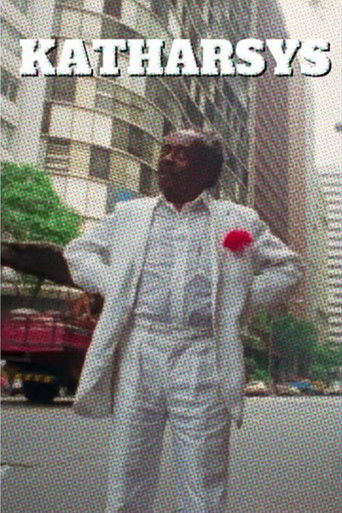 Katharsys · 2022
Katharsys
2022
Movie
 O Muro · 1986
O Muro
1986
MovieComedy
Rehearsal with the actor Breno Moroni, interpreting the paintings executed on the Parque Lage wall by the artists who worked at the School of Visual Arts - Generation 80. Period that started the expression of the graphics / mural in Rio de Janeiro.
 O Guarani · 1996
O Guarani
★ 5.31996
MovieRomanceDrama
The forbidden love affair between Peri, an Indian, and the beautiful Ceci, a Portuguese white girl, in the 17th century Brazil.
Filmography
Sort




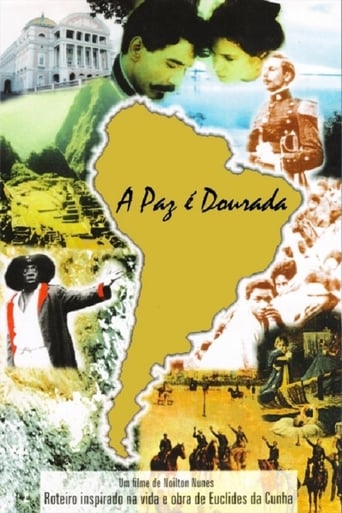

 Os Heróis Trapalhões: Uma Aventura na Selva · 1988
Os Heróis Trapalhões: Uma Aventura na Selva
★ 5.41988
MovieAdventureComedy
Didi, Dedé, Mussum and Zacarias are sent in a rescue mission to the daughter of the Army's minister.
Velha Índia (bandido disfarçado)





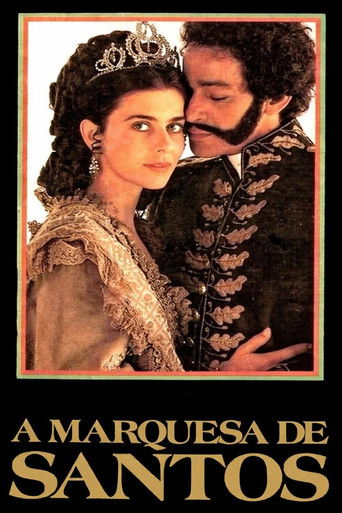


 República · 2010
República
★ 4.02010
Series
Hermes da Fonseca