I
Directing
Ivan Rubtsov
No biography available.
Known For
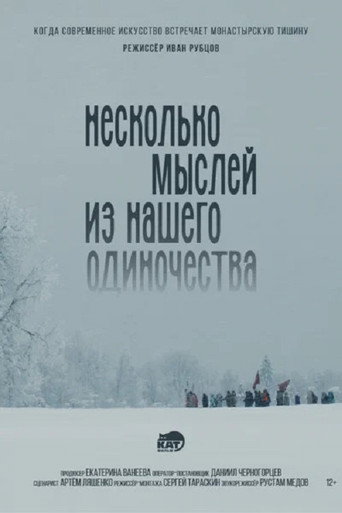 A Few Thoughts from Our Solitude · 2026
A Few Thoughts from Our Solitude
2026
MovieDocumentary
Lesha Stolyarov's contemporary art includes bitumen paintings, pictures made of gas burners, abstract art, in short, everything that is incomprehensible to the layman. Recently, Lesha has been going through a creative crisis; he wants to speak about God, but using the artistic means that are unfamiliar to hm. So he decides to make an experiment and travels to the Spaso-Sumorin Monastery in distant Totma to set up an installation amidst the Vologda snows. Only one monk lives in this monastery – Father Feodosiy. Forty years ago, he was a painter but abandoned his craft to serve God. One would think he should be sympathetic to art. However, the ultra-modern artist clashes with an equally "ultra" counterpart – only an orthodox one. Is it possible to reconcile contemporary art and the church, new trends and two-thousand-year-old traditions?
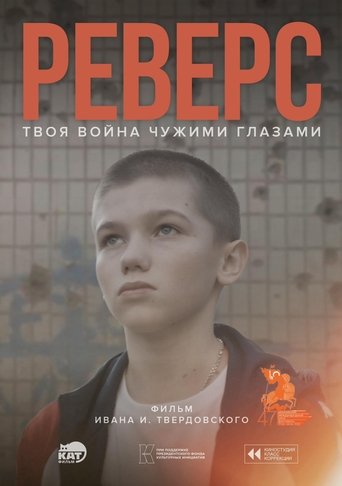 Reverse · 2025
Reverse
2025
MovieDocumentary
They came to Donbass from different countries in search of truth. And they stayed on for the sake of those whose voices were not heard. Dialogues about war and duty, a long search for meaning amidst the ruins, working with tragic footage. This is a film about those for whom Donbass has become a refuge of truth.
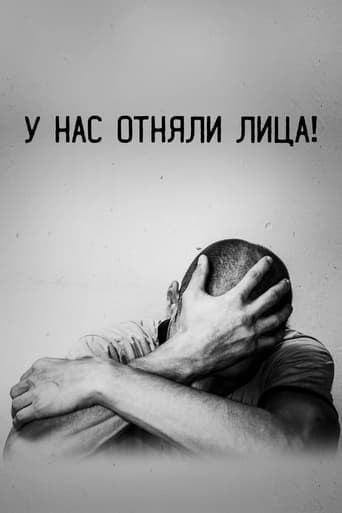 Our Faces Have Been Taken Away · 2021
Our Faces Have Been Taken Away
2021
MovieDocumentary
The film tells the story of modern slavery from the perspective of the only Russian organization carrying out mass rescue missions both within the country and abroad.
Filmography
Sort