Acting
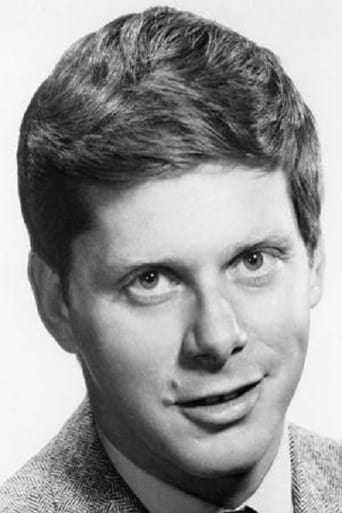
Robert Morse
Born May 18, 1931 · Newton, Massachusetts, USA
Died April 20, 2022 · aged 90
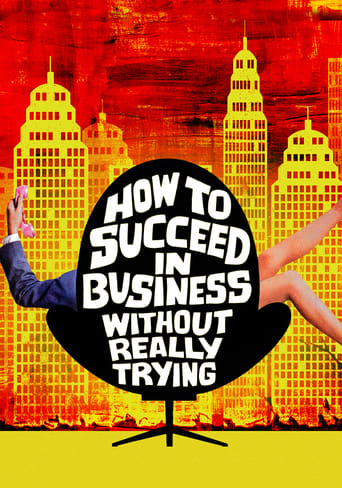
From Wikipedia, the free encyclopedia. Robert Morse (May 18, 1931 – April 20, 2022) was an American actor and singer best known as the star of both the 1961 original Broadway production, for which he won a Tony Award, and the 1967 film adaptation of How to Succeed in Business Without Really Trying, and as Bertram Cooper in the critically acclaimed AMC dramatic series Mad Men (2007–2015). He wo…
Known For
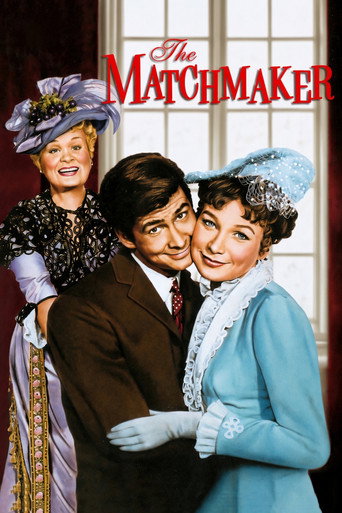 The Matchmaker · 1958
The Matchmaker
★ 7.01958
MovieComedyRomance
Thornton Wilder's tale of a matchmaker who desires the man she's supposed to be pairing with another woman.
 Teen Titans Go! vs. Teen Titans · 2019
Teen Titans Go! vs. Teen Titans
★ 7.52019
MovieActionAnimation
The comedic modern-day quintet takes on their 2003 counterparts when villains from each of their worlds join forces to pit the two Titan teams against each other. They'll need to set aside their differences and work together to combat Trigon, Hexagon, Santa Claus (that's right, Santa!) and time itself in order to save the multiverse.
 The Loved One · 1965
The Loved One
★ 6.21965
MovieComedy
The suicide of his expatriate uncle draws Englishman and poet Dennis Barlow into California's booming funeral industry.
 Minions & More Volume 1 · 2022
Minions & More Volume 1
★ 7.02022
MovieAnimationAdventure
This collection of 10 short films produced by Illumination includes: From the "Despicable Me" franchise: Puppy (2013); Minion Scouts (2019); Training Wheels (2013); The Secret Life of Kyle (2017); Santa's Little Helpers (2019). From the "Grinch" franchise: The Dog Days of Winter (2019). From the "Secret Life of Pets" franchise: Norman Television (2016); Weenie (2016). From the "Sing" franchise: Love at First Sight (2017). From the "Lorax" franchise: Forces of Nature (2012).
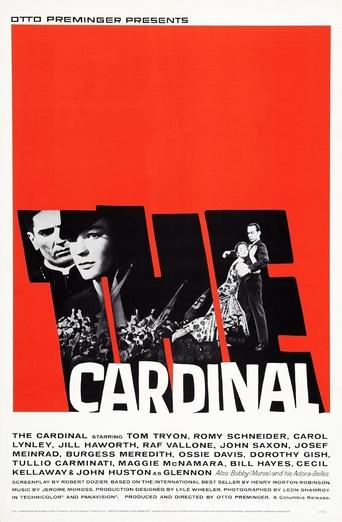 The Cardinal · 1963
The Cardinal
★ 6.51963
MovieDramaHistory
A young Catholic priest from Boston confronts bigotry, Nazism, and his own personal conflicts as he rises to the office of cardinal.
 A Guide for the Married Man · 1967
A Guide for the Married Man
★ 6.01967
MovieComedyRomance
A man gives his friend a series of lessons on how to cheat on one's wife without being caught.
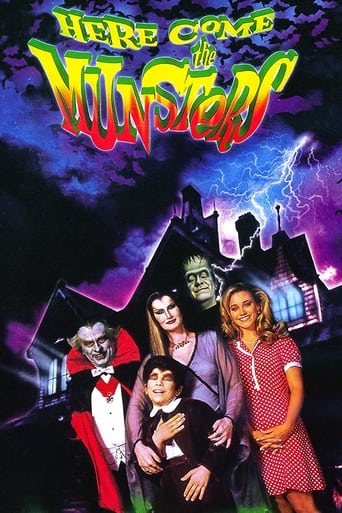 Here Come the Munsters · 1995
Here Come the Munsters
★ 5.21995
MovieHorrorComedy
The Munsters come to America to search for Herman's brother-in-law Norman Hyde, only to find out that he has turned himself into Brent Jekyll, who is running for congress, and Grandpa must make a formula to change Norman back.
 Calendar Girl Murders · 1984
Calendar Girl Murders
★ 4.71984
MovieCrimeMystery
During the launch party of a nude calendar, one of the models is thrown to her death by a black gloved killer. When the killer begins to strike again, going in the order of the calendar itself, a hard nosed cop realizes that he needs to solve the mystery, or risk all of the models ending up in the morgue!
Filmography
Sort



 The First Easter Rabbit · 1976
The First Easter Rabbit
★ 5.81976
MovieFamilyAnimation
A beloved toy stuffed rabbit is rescued by a fairy to be the first Easter Rabbit.
Young Stuffy (voice)

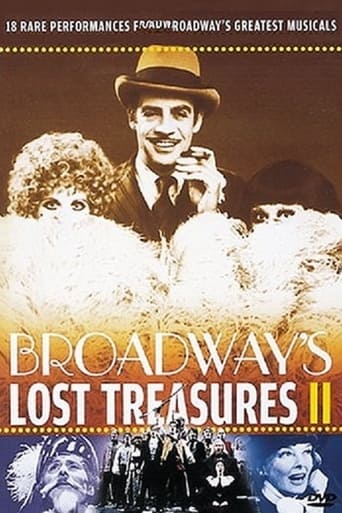 Broadway's Lost Treasures II · 2004
Broadway's Lost Treasures II
★ 8.22004
MovieMusicDocumentary
The annual Tony Award broadcast provides the only filmed record of Broadway's best for audiences to experience as if they were front-row-center on opening night. This second compilation of great musical moments from the Tonys features another dazzling array of stars and performances. Hosts Lauren Bacall, Bebe Neuwirth, Brian Stokes Mitchell and Jerry Orbach introduce these one-of-a-kind performances and share their personal Broadway and Tony memories.
J. Pierrepont Finch (segment "How To Succeed In Business Without Really Trying")