Acting
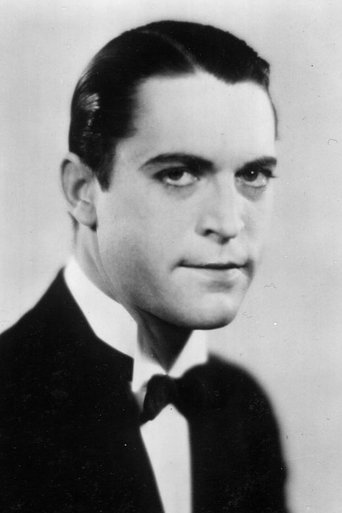
Chester Morris
Born February 16, 1901 · New York City, New York, USA
Died September 11, 1970 · aged 69
Chester Morris (born John Chester Brooks Morris; February 16, 1901 – September 11, 1970) was an American stage, film, television, and radio actor. He had some prestigious film roles early in his career, and was nominated for an Academy Award. Chester Morris is best remembered today for portraying Boston Blackie, a criminal-turned-detective, in the modestly budgeted Boston Blackie film series of th…
Known For
 The Great White Hope · 1970
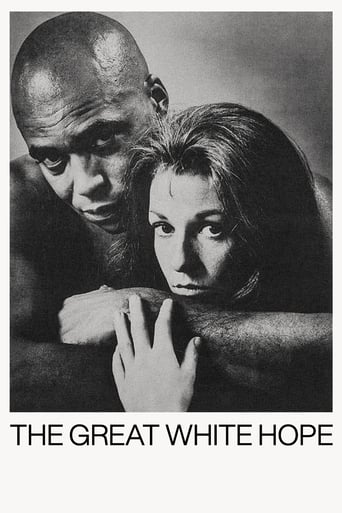
The Great White Hope
★ 6.31970
MovieDrama
A black champion boxer and his white female companion struggle to survive while the white boxing establishment looks for ways to knock him down.
 Blind Spot · 1947
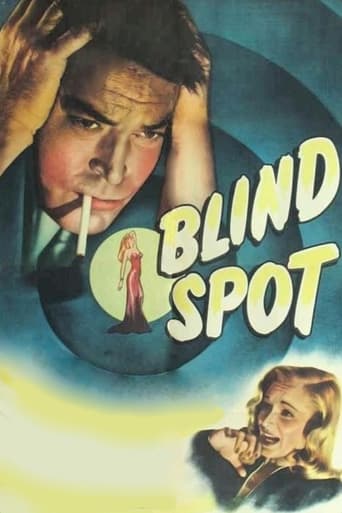
Blind Spot
★ 5.31947
MovieMysteryCrime
A struggling writer becomes the prime suspect in a murder investigation when his publisher is found dead in a manner mirroring one of the writer's proposed mystery storylines.
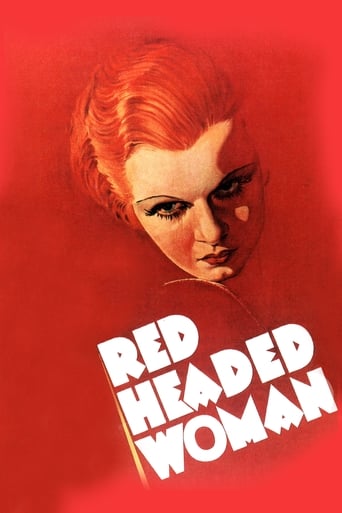 Red-Headed Woman · 1932
Red-Headed Woman
★ 6.61932
MovieComedyRomance
Lil works for the Legendre Company and causes Bill to divorce Irene and marry her. She has an affair with businessman Gaerste and uses him to force society to pay attention to her.
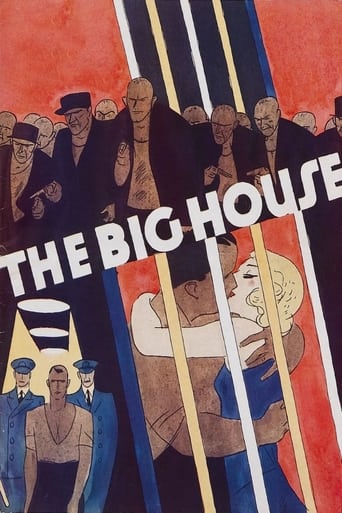 The Big House · 1930
The Big House
★ 6.61930
MovieCrimeDrama
Convicted of manslaughter for a drunken driving accident, Kent Marlowe is sent to prison, where he meets vicious incarcerated figures who are planning an escape from the brutal conditions.
 Moonlight Murder · 1936
Moonlight Murder
★ 4.81936
MovieMysteryComedy
An escaped lunatic, a mysterious swami, and various lovers all have designs on a famous opera singer.
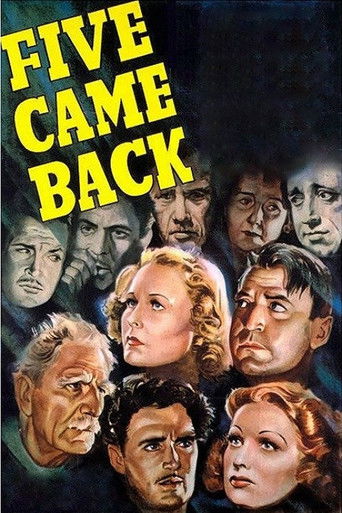 Five Came Back · 1939
Five Came Back
★ 6.31939
MovieAdventureDrama
Twelve people are aboard Coast Airline's flagship the Silver Queen enroute to South America when the airplane encounters a storm and is blown off course. Crashing into jungles known to be inhabited by head hunters, pilots Bill and Joe race against time to fix the engines and attempt a take off. The situation brings out the best and worst in the stranded dozen as they create a makeshift runway and prepare to escape before the natives attack. But damage to the plane and low fuel reserves means that only 5 people can be carried to safety.
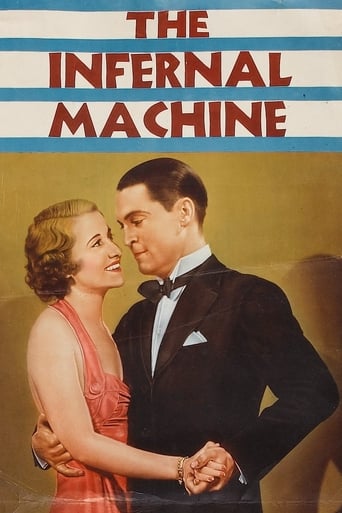 Infernal Machine · 1933
Infernal Machine
★ 7.01933
MovieComedy
This pre-Code comedy-thriller centers on Robert Holden, a broke and discouraged veteran, who meets fellow American Elinor Green at a cafe in Paris. After their first encounter, Holden's attempt to return Green's thought-to-be stolen purse ends up rendering him a stowaway on board a ship bound for America. Also aboard is a collection of characters, including Green's banker fiancé, a famed scientist, and an opera singer. Romance begins to blossom between Holden and Green, just as a radiogram claims that an “infernal machine,” or bomb, is aboard the ship. Quickly each passenger accuses the others of planting the bomb until eventually Holden, jealous of Green's attention to her undeserving fiancé, falsely admits to being the culprit. In his role as assumed perpetrator, Holden tests the group further.
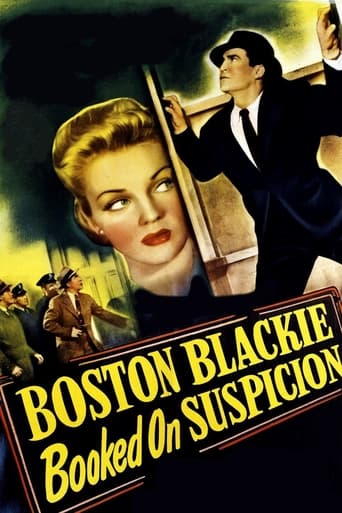 Boston Blackie Booked on Suspicion · 1945
Boston Blackie Booked on Suspicion
★ 5.81945
MovieCrimeMystery
Blackie is implicated in a murder when he accidently sells a phony Charles Dickens first edition at an auction.
Filmography
Sort
Red-Headed Woman · 1932Red-Headed Woman
★ 6.61932
MovieComedyRomance
Lil works for the Legendre Company and causes Bill to divorce Irene and marry her. She has an affair with businessman Gaerste and uses him to force society to pay attention to her.
William 'Bill' / 'Willie' Legendre Jr.
Boston Blackie Booked on Suspicion · 1945Boston Blackie Booked on Suspicion
★ 5.81945
MovieCrimeMystery
Blackie is implicated in a murder when he accidently sells a phony Charles Dickens first edition at an auction.
Horatio 'Boston Blackie' Black
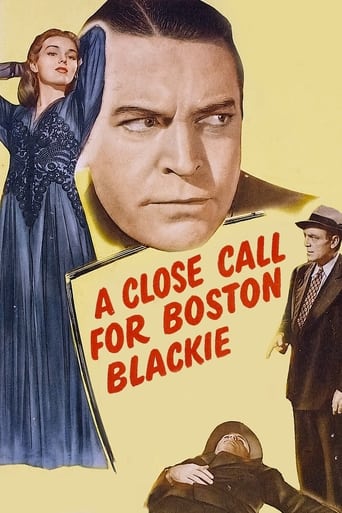 A Close Call for Boston Blackie · 1946
A Close Call for Boston Blackie
★ 5.41946
MovieCrimeMystery
Blackie runs into a woman he formally loved who now is married with a kid. When her husband gets out of prison he's killed in Blackie's apartment and of course the police thing Blackie pulled the trigger. Blackie must set out to prove his innocence as well as capture the real killers.
Horatio 'Boston Blackie' Black / Cyrus Peyton
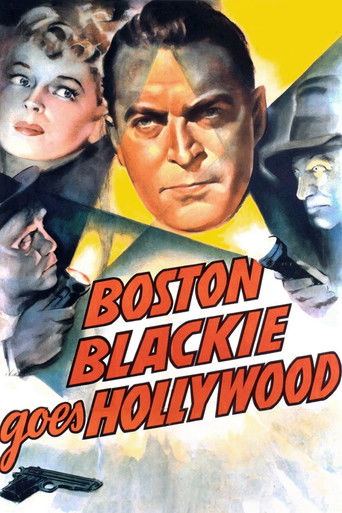
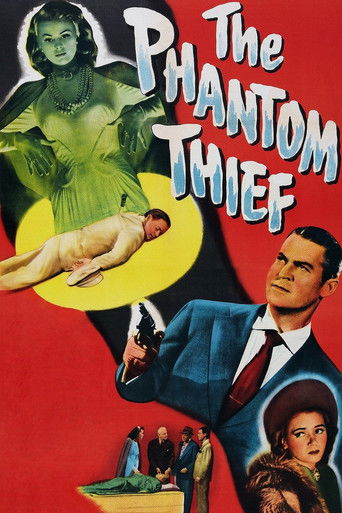
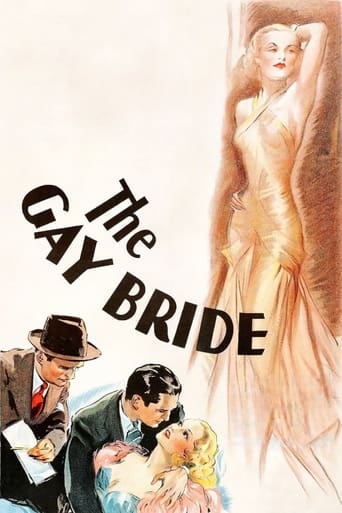 The Gay Bride · 1934
The Gay Bride
★ 6.01934
MovieCrimeComedy
Mary wants to marry a gangster because that is where the money is. Unfortunately, the life expectancy and finances of a gangster are unstable.
Jimmie 'Office Boy' Burnham
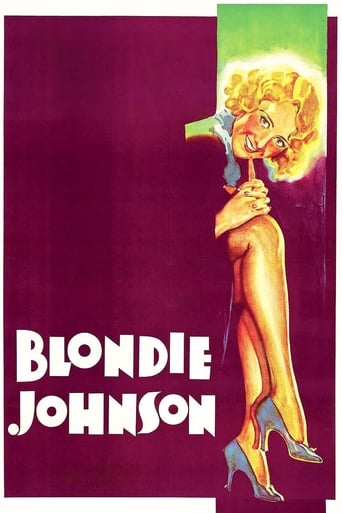 Blondie Johnson · 1933
Blondie Johnson
★ 5.91933
MovieCrimeDrama
A Depression-downtrodden waif uses her brains instead of her body to rise from tyro con artist to crime boss.
R. Burton "Danny" Jones