Acting
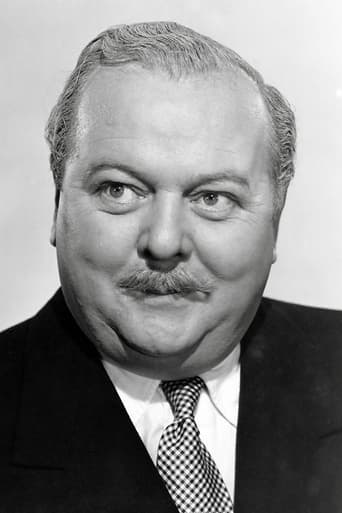
Lloyd Corrigan
Born October 14, 1900 · San Francisco, California, USA
Died November 5, 1969 · aged 69
Lloyd Corrigan (October 16, 1900 – November 5, 1969) was an American film and television actor, producer, screenwriter, and director who began working in films in the 1920s. The son of actress Lillian Elliott, Corrigan directed films, usually mysteries such as Daughter of the Dragon starring Anna May Wong (one of a trilogy of Fu Manchu movies for which he has writing credits), before dedicating hi…
Known For
 The Manchurian Candidate · 1962
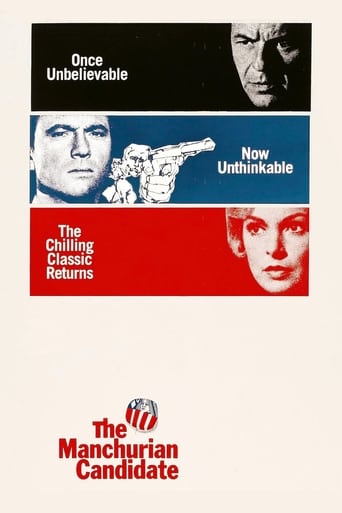
The Manchurian Candidate
★ 7.51962
MovieThrillerDrama
Near the end of the Korean War, a platoon of U.S. soldiers is captured by communists and brainwashed. Following the war, the platoon is returned home, and Sergeant Raymond Shaw is lauded as a hero by the rest of his platoon. However, the platoon commander, Captain Bennett Marco, finds himself plagued by strange nightmares and soon races to uncover a terrible plot.
 It's a Mad, Mad, Mad, Mad World · 1963
It's a Mad, Mad, Mad, Mad World
★ 7.01963
MovieAdventureComedy
A group of strangers come across a man dying after a car crash who proceeds to tell them about the $350,000 he buried in California. What follows is the madcap adventures of those strangers as each attempts to claim the prize for himself.
 The Big Clock · 1948
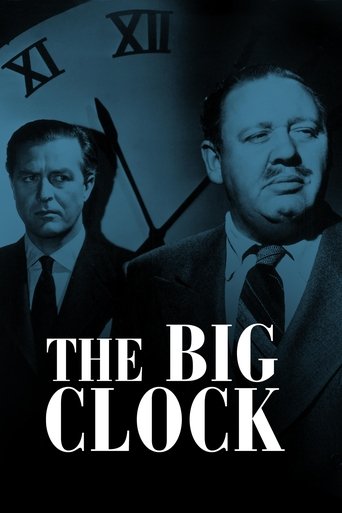
The Big Clock
★ 7.31948
MovieCrimeThriller
George Stroud, a crime magazine's crusading editor, has to postpone a vacation with his wife - again - when a glamorous blonde is murdered and he is assigned by his publishing boss to find the killer. As the investigation proceeds to its conclusion, Stroud must try to disrupt his ordinarily brilliant investigative team as they increasingly build evidence that he is the killer.
 Stage Door Canteen · 1943
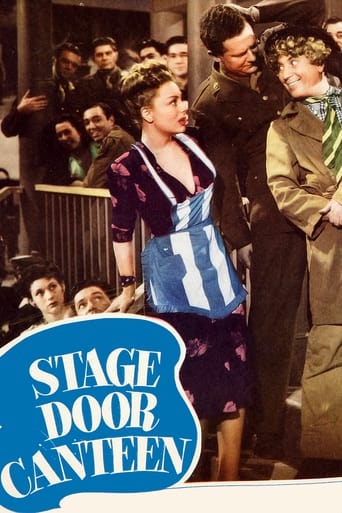
Stage Door Canteen
★ 6.31943
MovieComedyRomance
A young soldier on a pass in New York City visits the famed Stage Door Canteen, where famous stars of theatre and film appear and host a recreational center for servicemen during the war. The soldier meets a pretty young hostess and they enjoy the many entertainers and a growing romance.
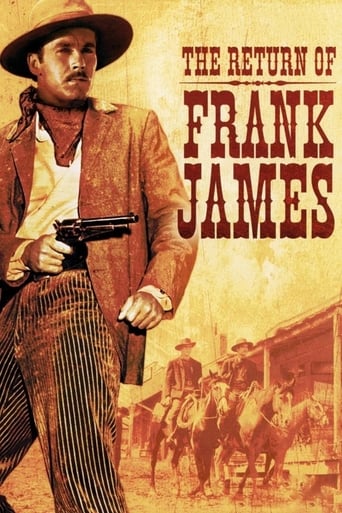 The Return of Frank James · 1940
The Return of Frank James
★ 6.41940
MovieWestern
Farmer Frank and his ward hunt brother Jesse's killers, the back-shooting Fords.
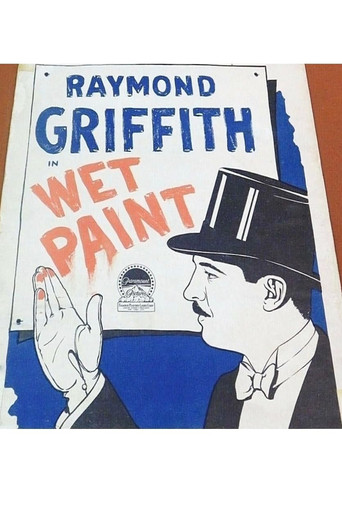 Wet Paint · 1926
Wet Paint
★ 8.01926
MovieComedy
After a misunderstanding between a well-to-do young man and the girl he wanted to marry, he decides to arbitrarily marry the first random girl that will accept him. This proves harder that he he thought, and late at night and groggy, he gets into his house after some trouble and help from the police, only to realize he's not in his house, but trapped in a strange one with a married woman.
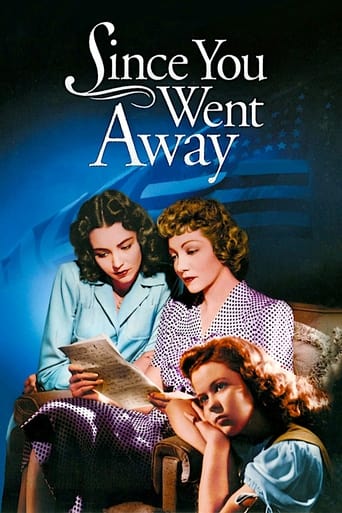 Since You Went Away · 1944
Since You Went Away
★ 6.61944
MovieDrama
In 1943, several people enter, re-enter, and exit the difficult life of a Midwestern family whose patriarch has been called up to war, leaving behind his wife and two teen daughters.
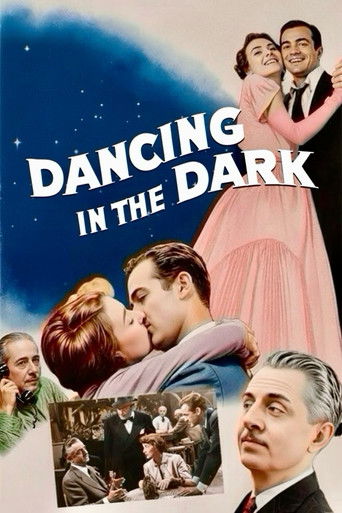 Dancing in the Dark · 1949
Dancing in the Dark
★ 6.01949
MovieComedyRomance
Emery Slade was one of the brightest stars in Hollywood in 1932, but by 1949 his career has hit the skids. Fortunately, he is able to convince studio head Melville Crossman to cast him in the adaptation of a hit Broadway show. Crossman has one condition: Slade must travel to New York and convince the female star of the stage production to join the film. Slade goes, but, when he eyes the winsome Julie Clarke, he hatches a different scheme.