Acting
Esther Dale
Born November 10, 1885 · Beaufort, South Carolina, USA
Died July 23, 1961 · aged 75
From Wikipedia, the free encyclopedia Esther Dale (November 10, 1885 – July 23, 1961) was an American actress, best known perhaps for her role as Aunt Genevieve in the 1935 Shirley Temple vehicle, Curly Top. On the stage, Dale starred in Carrie Nation on Broadway in 1933. Her other Broadway credits include Harvest of Years (1947), And Be My Love (1944), and Another Language (1932). Dale's first…
Known For
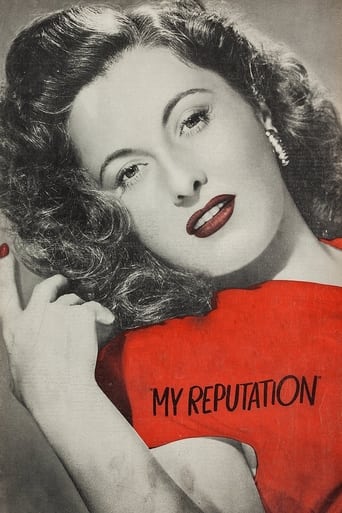 My Reputation · 1946
My Reputation
★ 7.31946
MovieDramaRomance
Tongues begin to wag when a lonely widow becomes romantically involved with a military man. Problems arise when the gossip is filtered down to her own children.
 Monkey Business · 1952
Monkey Business
★ 6.71952
MovieComedyScience Fiction
Research chemist Barnaby Fulton works on a fountain of youth pill for a chemical company. One of the labs chimps gets loose in the laboratory and mixes chemicals, but then pours the mix into the water cooler. When trying one of his own samples, washed down with water from the cooler, Fulton begins to act just like a twenty-year-old and believes his potion is working. Soon his wife and boss are also behaving like children.
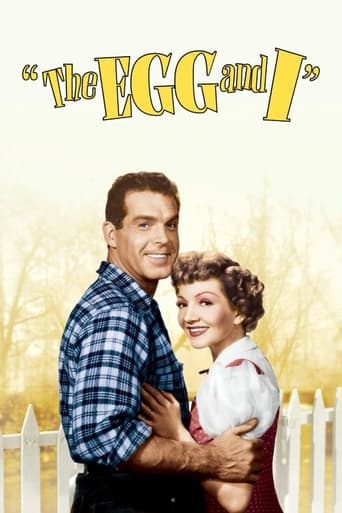 The Egg and I · 1947
The Egg and I
★ 7.01947
MovieComedyRomance
World War II veteran Bob MacDonald surprises his new wife, Betty, by quitting his city job and moving them to a dilapidated farm in the country. While Betty gamely struggles with managing the crumbling house and holding off nosy neighbors and a recalcitrant pig, Bob makes plans for crops and livestock. The couple's bliss is shaken by a visit from a beautiful farm owner, who seems to want more from Bob than just managing her property.
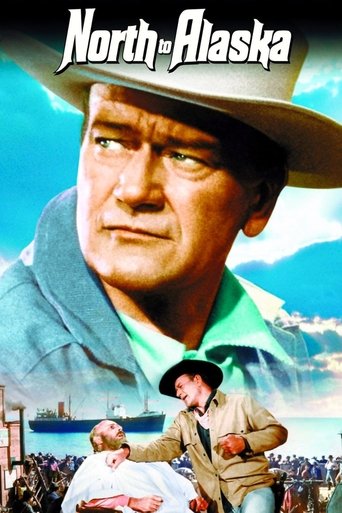 North to Alaska · 1960
North to Alaska
★ 6.51960
MovieWesternComedy
After striking gold in Alaska, the romantic George sends his womanizing partner Sam to bring his fiancée up from Seattle. When Sam finds that she has already married, he returns instead with Angel, a dancer originally from France.
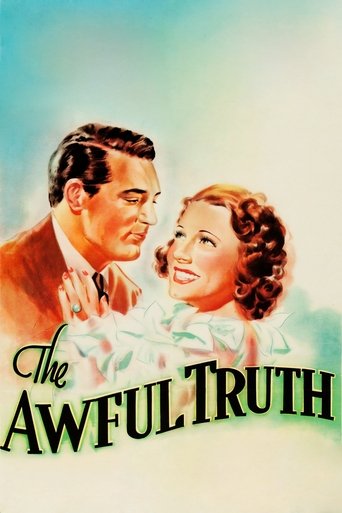 The Awful Truth · 1937
The Awful Truth
★ 7.21937
MovieComedyRomance
Unfounded suspicions lead a married couple to begin divorce proceedings, whereupon they start undermining each other's attempts to find new romance.
 A Song Is Born · 1948
A Song Is Born
★ 6.41948
MovieComedyMusic
The story of seven scholars in search of an expert to teach them about swing music. They seem to have found the perfect candidate in winsome nightclub singer Honey Swanson. But Honey's gangster boyfriend doesn't want to give her up.
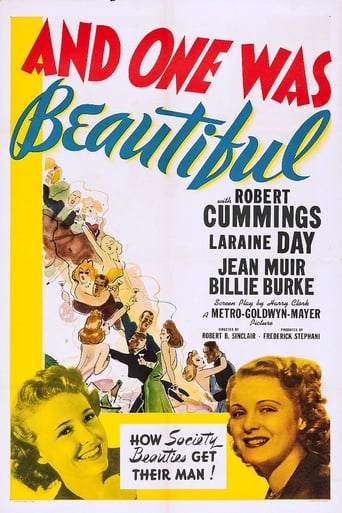 And One Was Beautiful · 1940
And One Was Beautiful
★ 6.71940
MovieRomanceDrama
A teenager falls hard for an irresponsible playboy.
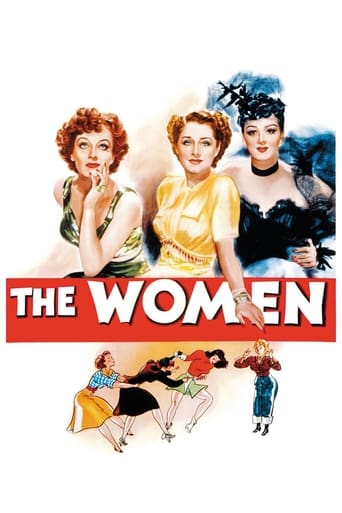 The Women · 1939
The Women
★ 7.21939
MovieComedyDrama
A happily married woman lets her catty friends talk her into divorce when her husband strays.
Filmography
Sort
The Women · 1939The Women
★ 7.21939
MovieComedyDrama
A happily married woman lets her catty friends talk her into divorce when her husband strays.
Ingrid (uncredited)
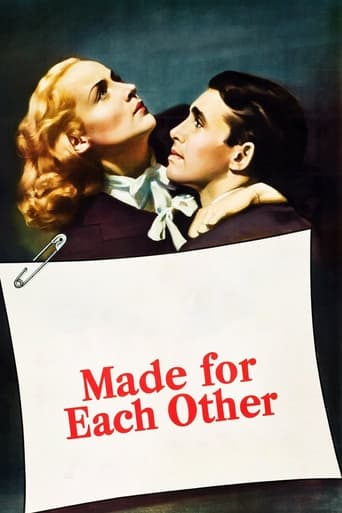 Made for Each Other · 1939
Made for Each Other
★ 6.11939
MovieComedyDrama
A couple struggle to find happiness after a whirlwind courtship.
Annie (uncredited)