I
Production
Iizuka Toshio
No biography available.
Known For
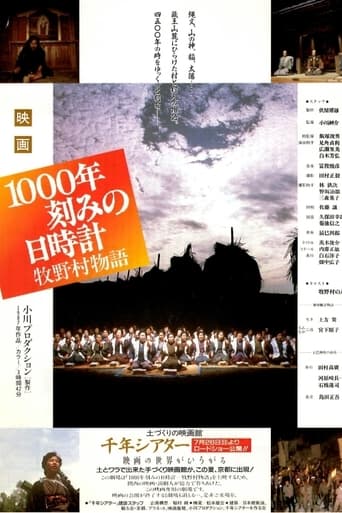 Magino Village: A Tale · 1987
Magino Village: A Tale
★ 6.81987
MovieDocumentaryDrama
The movie compiles footage taken by Ogawa Production for a period of more than ten years after the collective moved to Magino village. Unique to this film are fictional reenactments of the history of the village in the sections titled "The Tale of Horikiri Goddess" and "The Origins of Itsutsudomoe Shrine". Ogawa combines all the techniques that were developed in his previous films to simultaneously express multiple layers of time—the temporality of rice growing and of human life, personal life histories, the history of the village, the time of the Gods, and new time created through theatrical reenactment—bring them into a unified whole. The faces of the Magino villagers appear in numerous roles transcending time and space—sometimes as individuals, sometimes as people who carry the history of the village in their memories, sometimes as storytellers reciting myths, and even as members of the crowd in the fictional sequences.
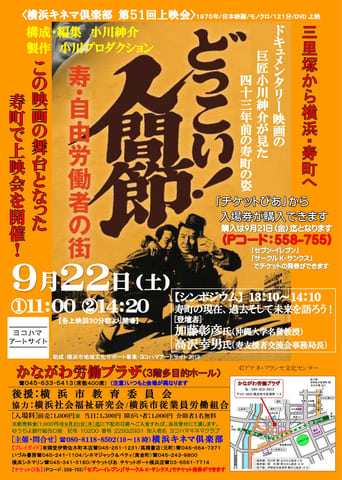 Dokkoi! Songs from the Bottom · 1975
Dokkoi! Songs from the Bottom
1975
MovieDocumentary
After the waning of the protests in Sanrizuka, Ogawa Pro started questioning the future of the collective and looking for other subjects to film. Following the method developed in the previous films, the filmmakers moved to the slum of Kotobuchi in the port city of Yokohama, where more than 6000 people were struggling to get by without any means of survival, exposed to industrial accidents and diseases. The result is one of the most moving films produced by the collective, a series of beautifully filmed portraits, voicing the silenced stories and songs of a group of people living in this community. Credit: ICA London
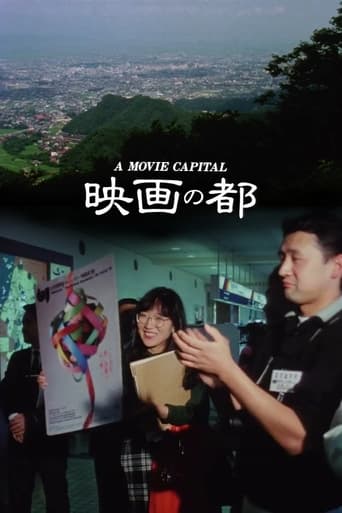 A Movie Capital · 1991
A Movie Capital
★ 6.01991
MovieDocumentary
This film is a record of the first Yamagata International Documentary Film Festival. It reflects the various ways the festival was given shape by nascent global changes embodied by Perestroika, the Tiananmen Square massacre, and many other contemporaneous events.
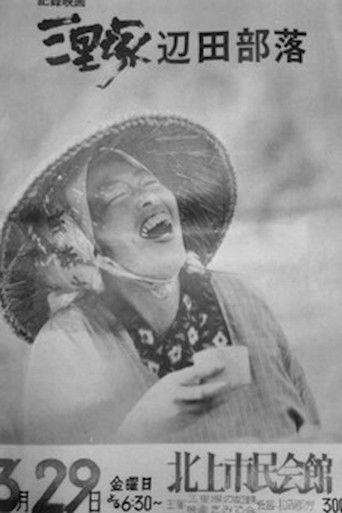 Sanrizuka: Heta Village · 1973
Sanrizuka: Heta Village
★ 6.31973
MovieDocumentary
Shinsuke Ogawa documentary about the life of the farmers in Heta Village opposing their resettlement due to the construction of Narita Airport.
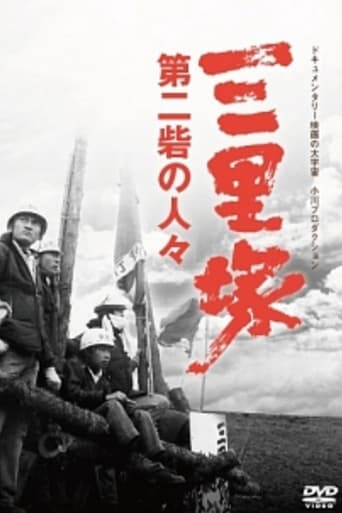 Narita: The Peasants of the Second Fortress · 1971
Narita: The Peasants of the Second Fortress
★ 6.01971
MovieDocumentary
"Narita: The Peasants of the Second Fortress" (1971) chronicles a decisive phase in the struggle against the construction of the Narita International Airport, as farmers in Sanrizuka adopted new defensive tactics, including the construction of fortified towers and underground shelters. As police forces moved to dismantle these structures, confrontations intensified. The film combines scenes of direct conflict with extended conversations between Ogawa and the farmers, documenting both the physical resistance and the sustained community organizing that defined this stage of the protest.
 Sanrizuka: The Three-Day War · 1970
Sanrizuka: The Three-Day War
★ 8.01970
MovieDocumentary
"Sanrizuka: The Three-Day War" is a documentary by Shinsuke Ogawa chronicling the escalation of conflict surrounding the Japanese government’s plan to build a new international airport on farmland in Sanrizuka near Tokyo. As farmers resisted eviction and activists from across the country joined the struggle, clashes with police intensified, resulting in large-scale confrontations that marked a critical phase of the Sanrizuka movement.
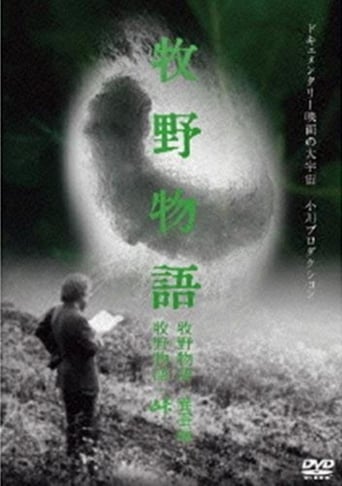 The Magino Village Story: Raising Silkworms · 1977
The Magino Village Story: Raising Silkworms
1977
MovieDocumentary
Ogawa Production Staff, who moved to Makinomura in Yamagata Prefecture, looks at sericulture, sericulture labor, agriculture ... Let's listen to people's words and stare for the sake of staring ...
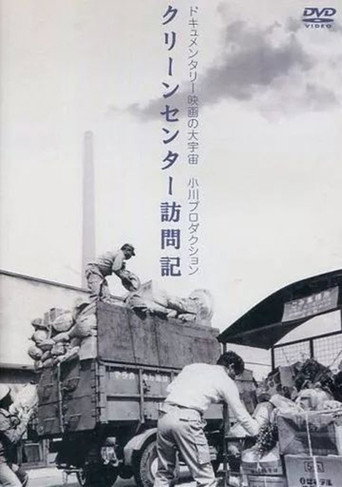 Interview at Clean Center · 1976
Interview at Clean Center
1976
MovieDocumentary
Filmography
Sort