Acting
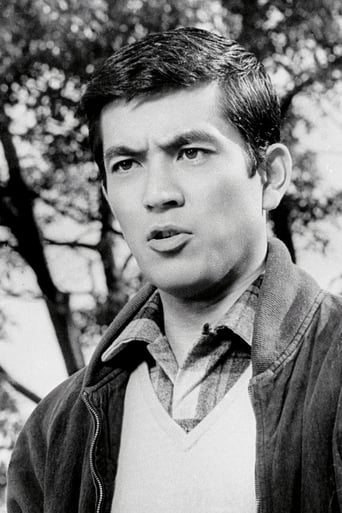
Yūzō Kayama
Born April 11, 1937 · Yokohama, Kanagawa, Japan (age 89)
From Wikipedia, the free encyclopedia. Yūzō Kayama (加山 雄三 Kayama Yūzō) is a Japanese popular musician and film star, born on 11 April 1937. His father, Ken Uehara, was a film star during the 1930s. Yuzo Kayama became a big star in the 1960s in the Wakadaishō (Young Guy) film series. He showed his ability for drama when Akira Kurosawa cast him for his 1965 film, Red Beard, starring Toshirō Mifune…
Known For
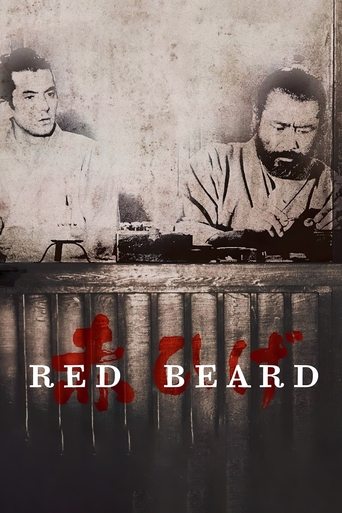 Red Beard · 1965
Red Beard
★ 8.21965
MovieDrama
Aspiring to an easy job as personal physician to a wealthy family, Noboru Yasumoto is disappointed when his first post after medical school takes him to a small country clinic under the gruff doctor Red Beard. Yasumoto rebels in numerous ways, but Red Beard proves a wise and patient teacher. He gradually introduces his student to the unglamorous side of the profession, ultimately assigning him to care for a prostitute rescued from a local brothel.
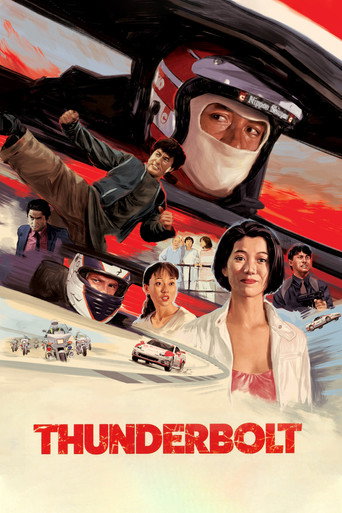 Thunderbolt · 1995
Thunderbolt
★ 6.51995
MovieActionThriller
In order to release his kidnapped sister, sports car mechanic, Chan Foh To, has to defeat a super-criminal street racer.
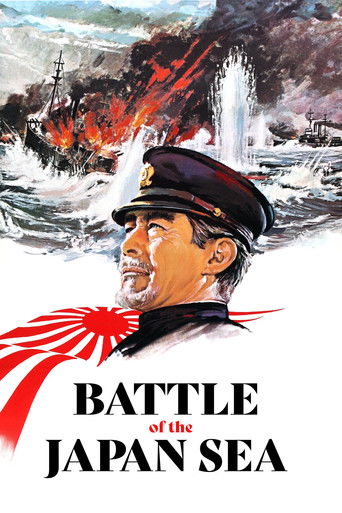 Battle of the Japan Sea · 1969
Battle of the Japan Sea
★ 6.41969
MovieWarHistory
Japan and Russia clash in what comes to be known as the Russo-Japanese War. An attempt by the Japanese fleet and army to take Port Arthur fails, and a Russian fleet bears down on the Sea of Japan. Admiral Heihachiro Togo sends his fleet to confront the Russians, with results which stun both nations. Meanwhile, Major Genjiro Akashi makes secret negotiations with the Bolshevik revolutionaries in Russia, negotiations that have repercussions far beyond the conflict at hand.
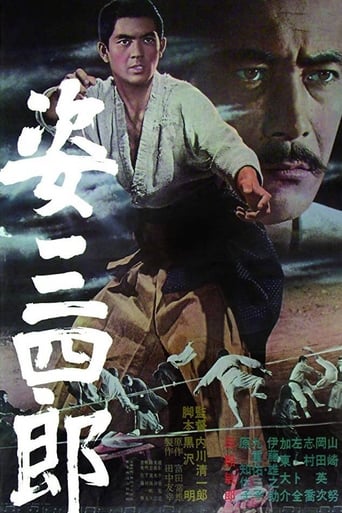
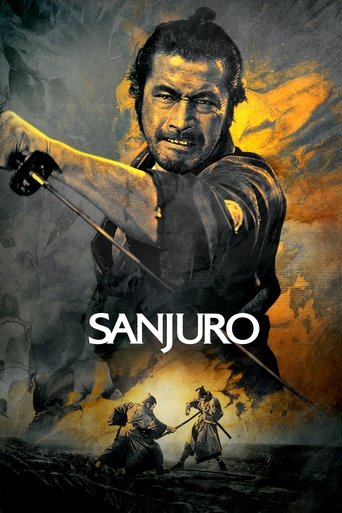 Sanjuro · 1962
Sanjuro
★ 7.91962
MovieDramaAction
In this companion piece and sequel to "Yojimbo," jaded samurai Sanjuro helps an idealistic group of young warriors weed out their clan's evil influences, and in the process turns their image of a proper samurai on its ear.
 Two in the Shadow · 1967
Two in the Shadow
★ 7.81967
MovieRomanceDrama
A man is involved in a fatal car accident, and though he is blameless, his company transfers him to a remote branch in a small town. Before he leaves, he gives the man's widow a large sum of money that she uses to move back to her hometown.
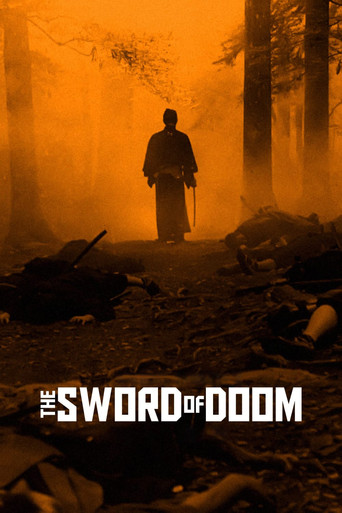 The Sword of Doom · 1966
The Sword of Doom
★ 7.81966
MovieDramaCrime
Ryunosuke, a gifted swordsman plying his trade during the turbulent final days of Shogunate rule, has no moral code and kills without remorse. It’s a way of life that leads to madness.
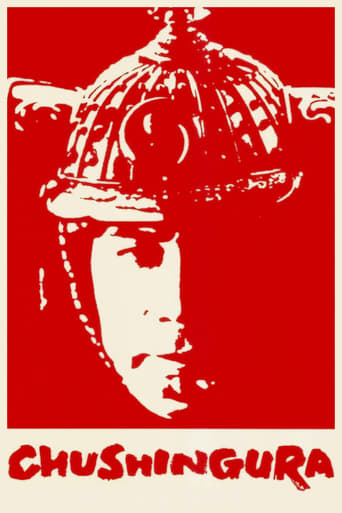 Chûshingura · 1962
Chûshingura
★ 7.11962
MovieHistoryDrama
After their lord is tricked into committing ritual suicide, forty-seven samurai warriors await the chance to avenge their master and reclaim their honor.
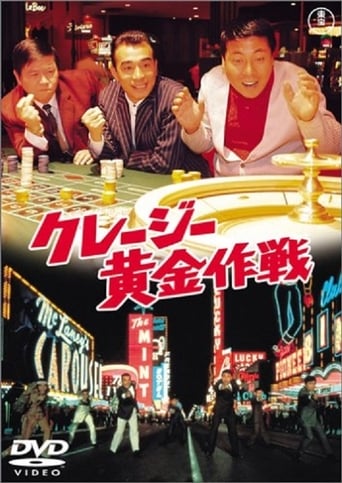 Las Vegas Free-For-All · 1967
Las Vegas Free-For-All
★ 10.01967
MovieComedyAdventure
The Crazy Cats, a Japanese musical-comedy group, were showcased a series of comic adventures throughout the 1960s. Las Vegas Free-For-All, one of their most popular movies, featured scenes filmed on location in Las Vegas, Los Angeles, and Hawaii. Appearing with the seven Cats were the lovely Mie Hama and such Japanese musical artists as The Peanuts, The Johnnys, The Drifters, and Jackie Yoshikawa & the Blue Comets.
Filmography
Sort