Acting
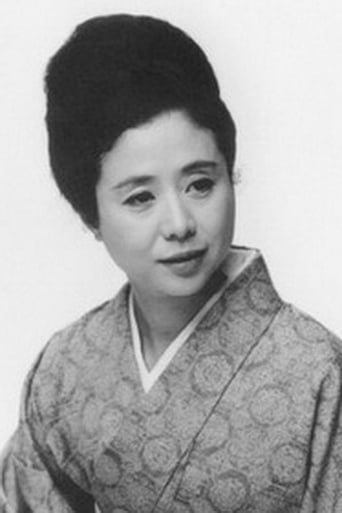
Nobuko Otowa
Born October 1, 1925 · Yonago, Tottori Prefecture, Japan
Died December 22, 1994 · aged 69
From Wikipedia, the free encyclopedia. Nobuko Otowa (1 October 1925 – 22 December 1994) was a Japanese film actress. She appeared in 134 films between 1950 and 1994. She was married to film director Kaneto Shindō. She posthumously won the award for best supporting actress at the 19th Japan Academy Prize for A Last Note, having been diagnosed with terminal liver cancer during its production. Desc…
Known For
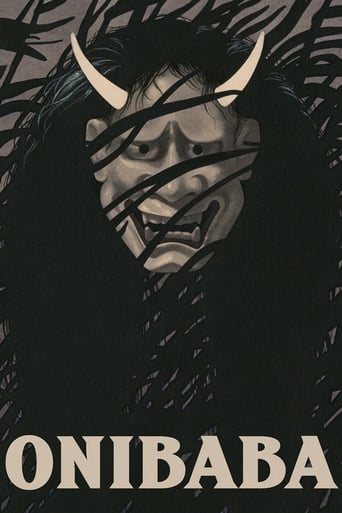 Onibaba · 1964
Onibaba
★ 7.61964
MovieHorror
While her son, Kichi, is away at war, a woman and her daughter-in-law survive by killing samurai who stray into their swamp, then selling whatever valuables they find. Both are devastated when they learn that Kichi has died, but his wife soon begins an affair with a neighbor who survived the war, Hachi. The mother disapproves and, when she can't steal Hachi for herself, tries to scare her daughter-in-law with a mysterious mask from a dead samurai.
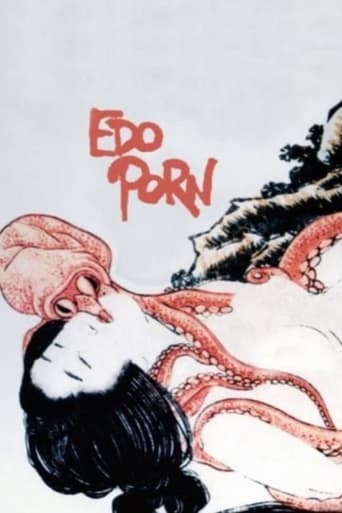 Edo Porn · 1981
Edo Porn
★ 5.91981
MovieDramaHistory
The world-famous woodblock artist Hokusai (1760-1849), a widower in need of a steady income, lives with his daughter Oei in the house of his friend Bakin.
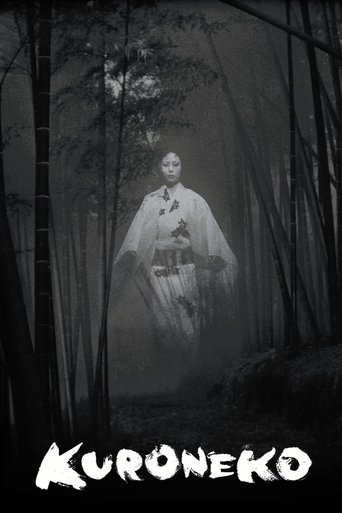 Kuroneko · 1968
Kuroneko
★ 7.41968
MovieDramaFantasy
In the Sengoku period, a woman and her daughter are raped and murdered by soldiers during a time of civil war. Afterwards, a series of samurai returning from the war through that area are found mysteriously dead with their throats torn out. The governor calls in a wild and fierce young hero to quell what is evidently an Onryō ghost.
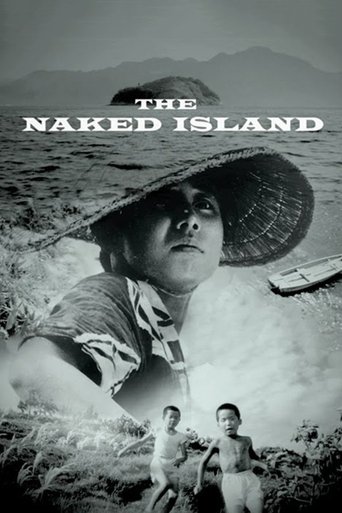 The Naked Island · 1960
The Naked Island
★ 8.01960
MovieDrama
A family of four are the sole inhabitants of a small island, where they struggle each day to irrigate their crops.
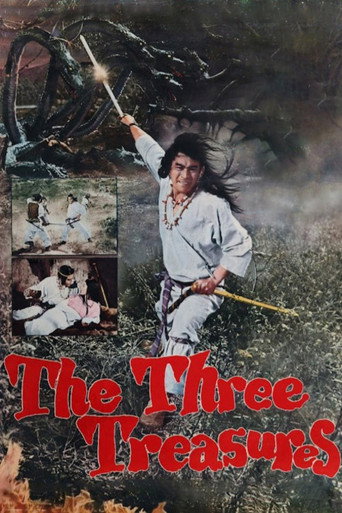 The Three Treasures · 1959
The Three Treasures
★ 5.51959
MovieFantasyAction
The legend of the birth of Shintoism. In Fourth Century Japan, the Emperor's son Ouso expects to succeed his father on the throne, but Otomo, the Emperor's vassal, prefers Ouso's stepbrother, and conspires to have Ouso die on a dangerous mission he has contrived. But Ouso prevails in the mission and returns to his father's castle under a new name, Prince Yamato Takeru. Otomo plots to have the Prince sent into even greater danger, but Otomo is unaware that the gods have favored the Prince and the outcome is far from what any of them expected.
 The Go Masters · 1982
The Go Masters
★ 6.61982
MovieDrama
Ten years before the outbreak of the Second World War in Asia, a Japanese Go master and his Chinese rival meet in China to play a game of Go (loosely described as an Asian version of chess). It soon becomes evident that the Chinese master's son is the most talented player that the Japanese master has ever encountered, and he convinces the boy's father to let him bring the child back to Japan to train him as a professional Go player. Years pass, and as the young Chinese master grows to maturity in Japan, the Japanese invasion of China forces him to choose between his triumphant career and his loyalty to his native country. His decision is complicated by his marriage to the daughter of the Japanese master, with whom he has produced a child. His choice will profoundly alter the lives of two families. Their saga serves as a reflection of the tragic relations between their two great countries, and the possibility of reconciliation and healing.
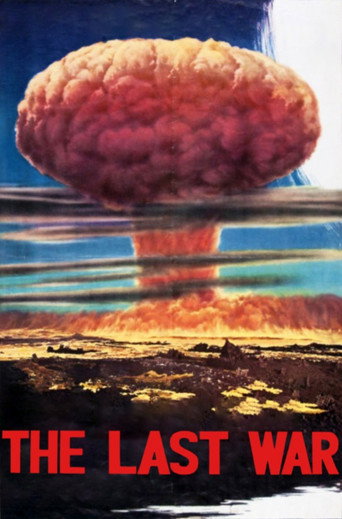 The Last War · 1961
The Last War
★ 6.81961
MovieDramaScience Fiction
A Japanese family is torn apart by the tensions of an avoidable nuclear world war between the superpowers.
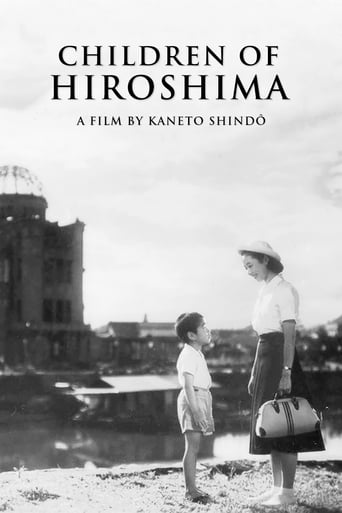 Children of Hiroshima · 1952
Children of Hiroshima
★ 7.11952
MovieDramaWar
Shows the devastation caused by the atomic bomb, and by use of a fictional storyline, portrays the struggle of the ordinary Japanese people in dealing with the aftermath.
Filmography
Sort