Acting
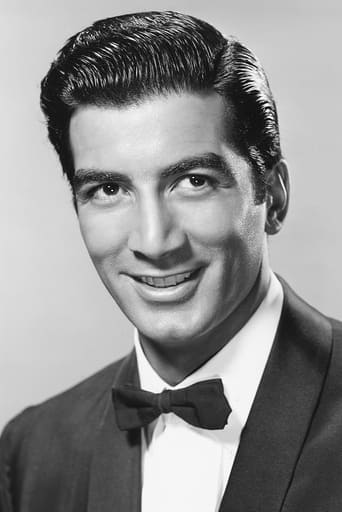
Ray Danton
Born September 19, 1931 · New York City, New York, USA
Died February 11, 1992 · aged 60
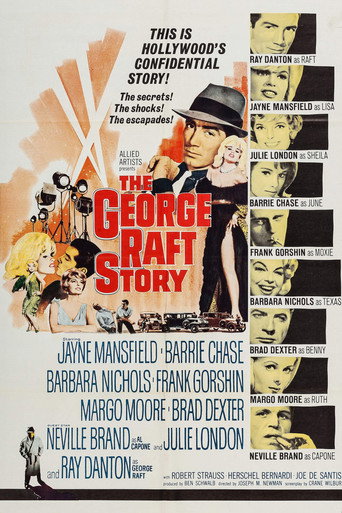
Ray Danton (born Raymond Caplan; September 19, 1931 – February 11, 1992), also known as Raymond Danton, was a radio, film, stage, and television actor, director, and producer whose most famous roles were in the screen biographies The Rise and Fall of Legs Diamond (1960) and The George Raft Story (1962).
Known For
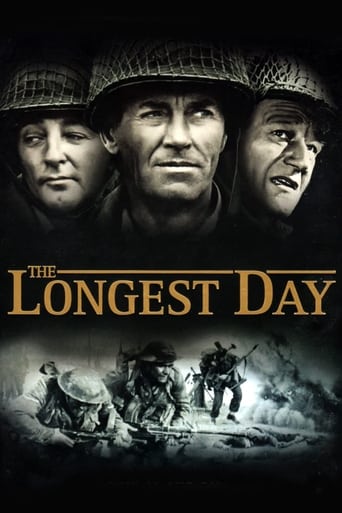 The Longest Day · 1962
The Longest Day
★ 7.61962
MovieWarDrama
The retelling of June 6, 1944, from the perspectives of the Germans, US, British, Canadians, and the Free French. Marshall Erwin Rommel, touring the defenses being established as part of the Reich's Atlantic Wall, notes to his officers that when the Allied invasion comes they must be stopped on the beach. "For the Allies as well as the Germans, it will be the longest day"
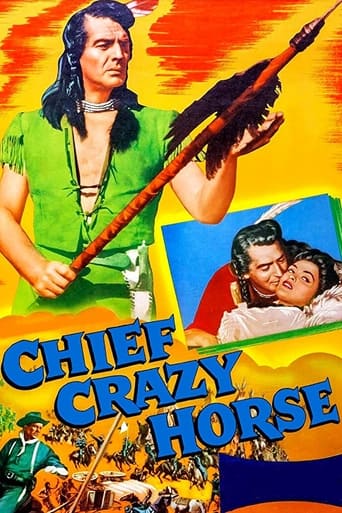 Chief Crazy Horse · 1955
Chief Crazy Horse
★ 5.61955
MovieWestern
When young Crazy Horse, of whom great things were predicted, wins his bride, rival Little Big Man goes to villainous traders with evidence of gold in the sacred Lakota burial ground. Of course, a new gold rush starts despite all treaties, and Crazy Horse becomes military leader of his people. Initial Indian victories lead to the inevitable result. Uniquely, all is told from the Indian perspective.
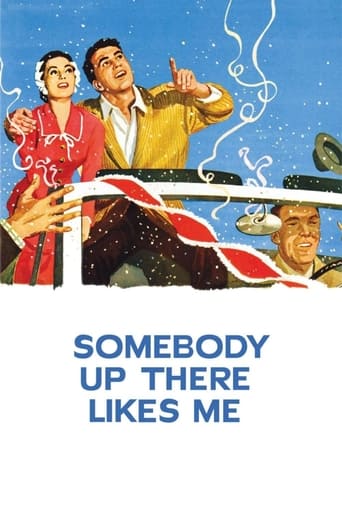 Somebody Up There Likes Me · 1956
Somebody Up There Likes Me
★ 7.21956
MovieDrama
The story of boxer Rocky Graziano's rise from juvenile delinquent to world champ.
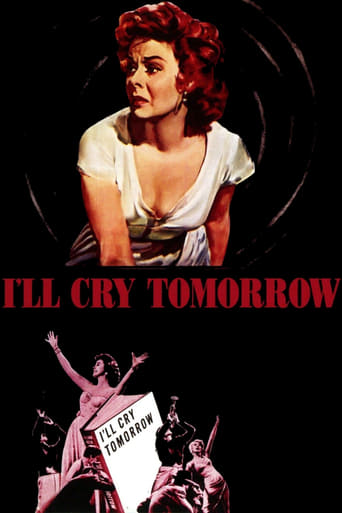 I'll Cry Tomorrow · 1955
I'll Cry Tomorrow
★ 6.21955
MovieDrama
Deprived of a normal childhood by her ambitious mother, Lillian Roth becomes a star of Broadway and Hollywood before she is twenty. Shortly before her marriage to her childhood sweetheart, David Tredman, he dies and Lillian takes her first drink of many down the road of becoming an alcoholic.
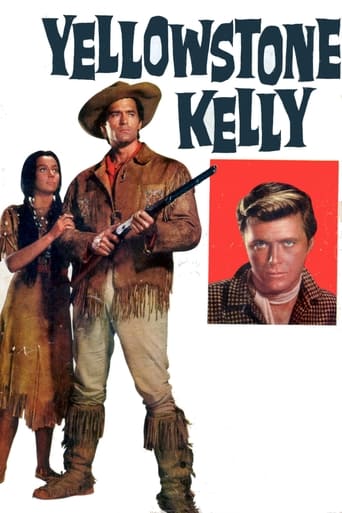 Yellowstone Kelly · 1959
Yellowstone Kelly
★ 6.21959
MovieAdventureWestern
A fur-trapper named Kelly, who once saved the life of a Sioux chief, is allowed to set his traps in Sioux territory during the late 1870s. Reluctantly he takes on a tenderfoot assistant named Anse and together they give shelter to a runaway Arapaho woman. Tensions develop when Anse falls in love with this woman and when the Sioux chief arrives with his warriors to re-claim her.
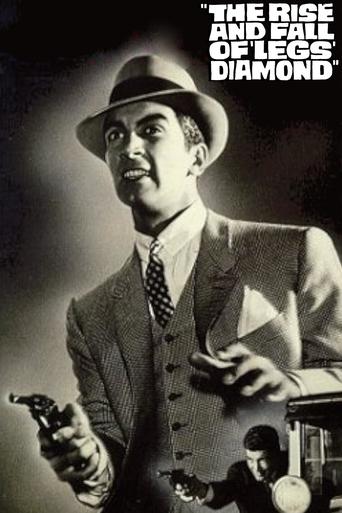 The Rise and Fall of Legs Diamond · 1960
The Rise and Fall of Legs Diamond
★ 6.11960
MovieCrimeHistory
Jack Diamond and his sickly brother arrive in prohibition New York as jewelry thieves. After a spell in jail, the coldly ambitious Diamond hits on the idea of stealing from thieves himself and sets about getting close to gangster boss Arnold Rothstein to move in on his booze, girls, gambling, and drugs operations.
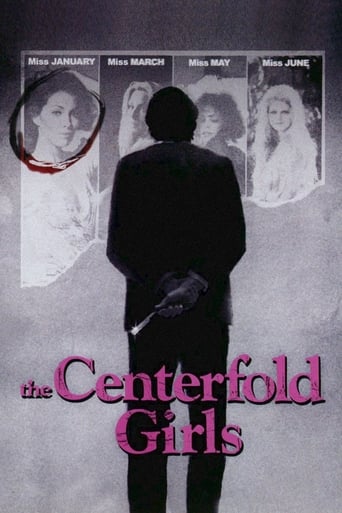 The Centerfold Girls · 1974
The Centerfold Girls
★ 5.41974
MovieDramaThriller
Police try to halt a psychotic killer's rampage against women who posed nude in men's magazines.
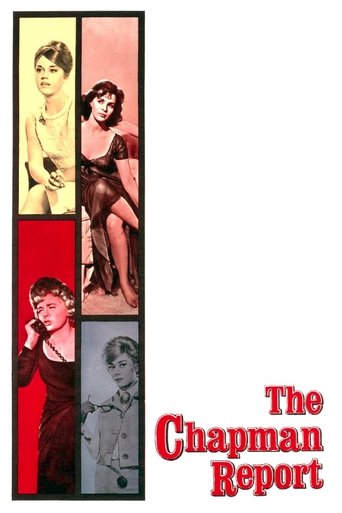 The Chapman Report · 1962
The Chapman Report
★ 5.11962
MovieDramaRomance
A research psychologist gets involved in the personal lives of four women.
Filmography
Sort
Somebody Up There Likes Me · 1956Somebody Up There Likes Me
★ 7.21956
MovieDrama
The story of boxer Rocky Graziano's rise from juvenile delinquent to world champ.
Reporter (voice) (uncredited)
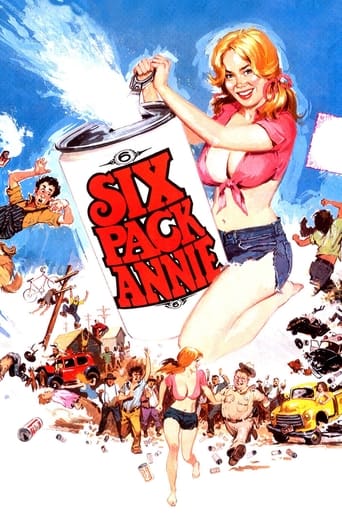 Sixpack Annie · 1975
Sixpack Annie
★ 5.41975
MovieComedy
A buxom, beer-guzzling and naive country gal travels from her small town to Miami to find a 'sugar daddy' to save the family restaurant.
Mr. O'Meyer (as Raymond Danton)

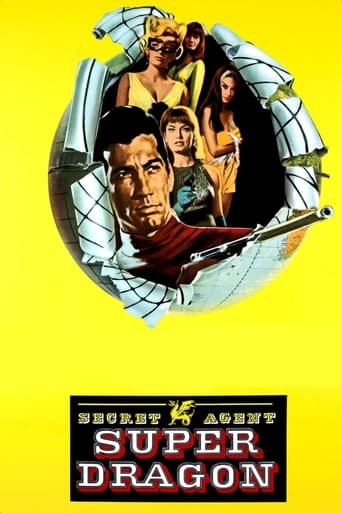 Secret Agent Super Dragon · 1966
Secret Agent Super Dragon
★ 3.61966
MovieActionAdventure
A series of murders in Michigan lead an American secret agent to Amsterdam, where he uncovers a plot to imperil the world with a potent new drug.
Bryan Cooper / Superdragon