Directing
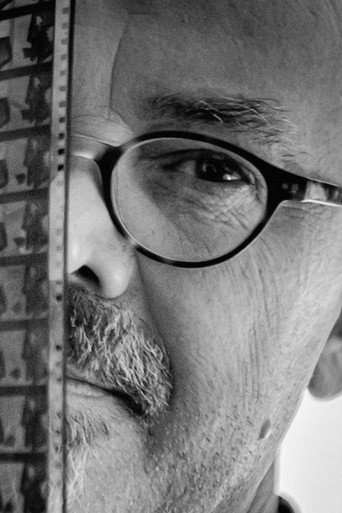
Piotr Muszalski
Born in 1960. Graduate of the Faculty of Painting, Graphic Arts, and Sculpture at the State Higher School of Fine Arts in Poznań (now the University of Arts in Poznań). Director, screenwriter, animator, and film set designer. Graduated in 1993 from Professor Kazimierz Urbański's Animated Film Studio. Head of the Animation Department from 2008 to 2014. Vice-Dean of the Faculty of Animation since 20…
Known For
 Gustav Klimt · 1996
Gustav Klimt
1996
MovieAnimation
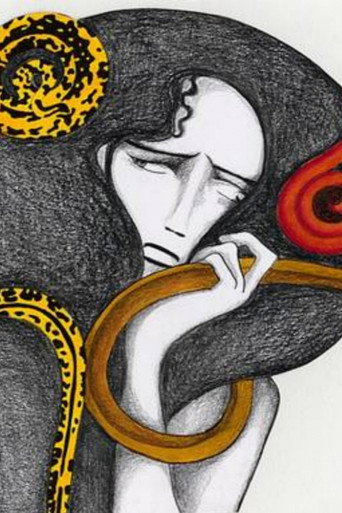
A film from the "Impressions" series, created using classical and cutout animation techniques. The author subjectively selects Gustav Klimt's paintings to transcend their structures in his filmic interpretations. He presents his own, often surprising, vision of the works of art. He draws on his own experiences and feelings to present their poetic interpretation. At the same time, he strives to preserve the works' internal coherence and the aura—the atmosphere—created by the painter.
 Blue Monday · 2021
Blue Monday
2021
MovieAnimation
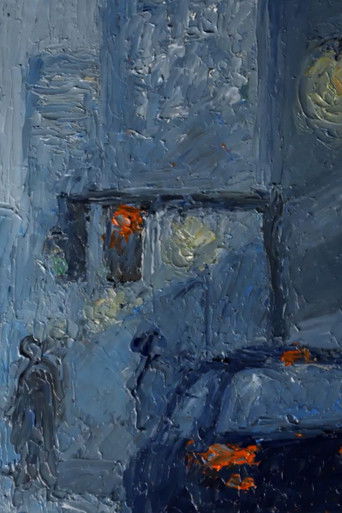
Meticulous and mesmerising paint-on-glass animation is characteristic for this atmospheric film by the Polish director, who takes us on a bus ride one Monday afternoon. The melancholic ride through a rainy city reminds the main protagonist what it would be like to escape the everyday routine of jammed streets.
 Sculptor with a Camera · 2018
Sculptor with a Camera
2018
MovieDocumentary
Documentary film based on unique found footage shot in the 1920s by count August Zamoyski. A valuable insight into Polish artistic life between the world wars.
 How the God Maior Lost his Throne · 1999
How the God Maior Lost his Throne
1999
MovieAnimation
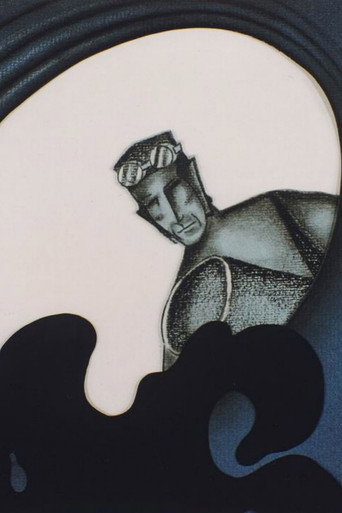
The brothers Ubi and Obi live in Lailonia in the city of Ruru. The authority over the city is held by the god Maior. The basic law of the god Maior is that everything for humans is at the bottom, what for the god is at the top. The brothers live according to the laws established by the god Maior, until Obi rebels against them. Soon the brothers separate and Obi dies. For breaking his laws, the god Maior sentences Obi to stay in hell. Ubi also dies, and since he always obeyed the god's laws, he goes to heaven. The brothers are separated even after death. Ubi is not happy in heaven and wants to go to hell. The god Maior, however, does not agree. A revolt breaks out in heaven. God Maior abdicates. From now on, the living and deceased residents of the city of Ruru have to fend for themselves.
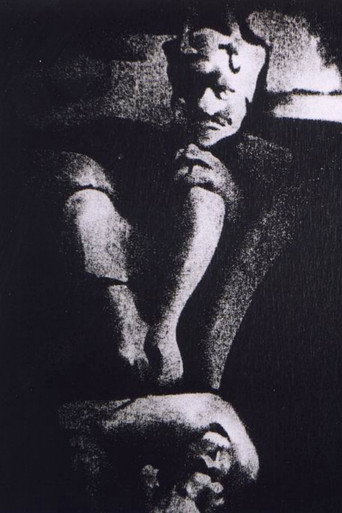 Toccata in D minor · 1994
Toccata in D minor
1994
MovieAnimationMusic
An animated film in loose material set to music by Johann Sebastian Bach. The imagery in the film is inspired by the magnificent interiors of Gothic cathedrals (Reims, Chartres). The composition of the film follows the principle of viewing a Gothic cathedral: first, the author shows the facade, then "enters" the interior and shows the lower part of the building emerging from the shadows. Then the camera focuses on the columns and pillars, the niches with reliefs, to reach the magnificent rose window crowning the nave. The bright light falling into the interior makes the real shapes disappear and is replaced by light, a symbol of lasting spiritual values.
Filmography
Sort