Acting
Lee Tracy
Born April 13, 1898 · Atlanta, Georgia, USA
Died October 18, 1968 · aged 70
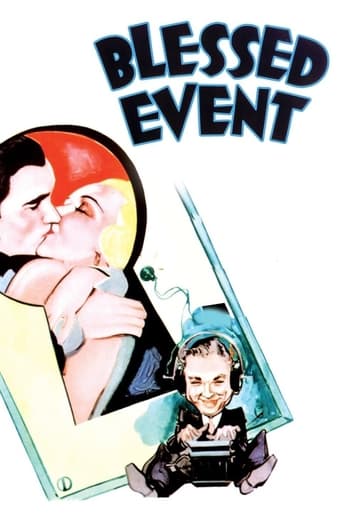
From Wikipedia, the free encyclopedia. William Lee Tracy (April 14, 1898 – October 18, 1968) was an American actor. He was nominated for an Oscar and a Golden Globe for his supporting role in the 1964 film The Best Man. In 1929, Tracy arrived in Hollywood, where he played the role of newspapermen in several films. He, for example, played a Walter Winchell-type gossip columnist in Blessed Event (…
Known For
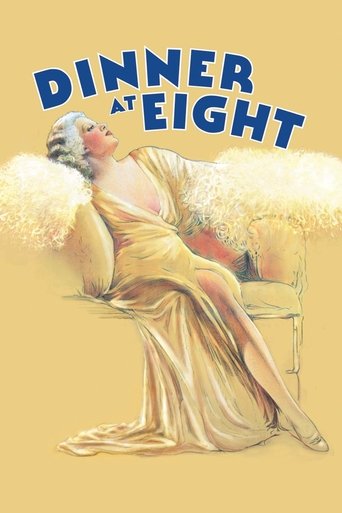 Dinner at Eight · 1933
Dinner at Eight
★ 6.81933
MovieComedyDrama
An ambitious New York socialite plans an extravagant dinner party as her businessman husband, Oliver, contends with financial woes, causing a lot of tension between the couple. Meanwhile, their high-society friends and associates, including the gruff Dan Packard and his sultry spouse, Kitty, contend with their own entanglements, leading to revelations at the much-anticipated dinner.
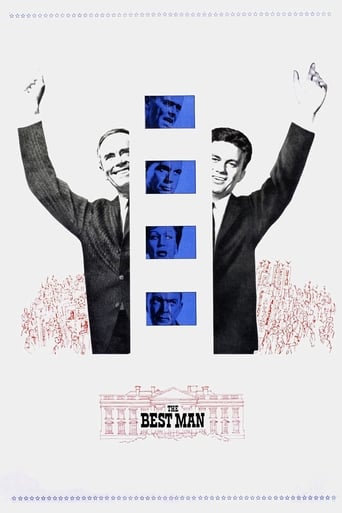 The Best Man · 1964
The Best Man
★ 7.31964
MovieDrama
The other party is in disarray. Five men vie for the party nomination for president. No one has a majority as the first ballot closes and the front-runners begin to decide how badly they want the job.
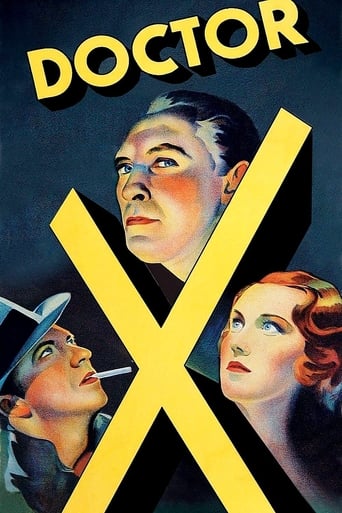 Doctor X · 1932
Doctor X
★ 6.01932
MovieHorrorThriller
A wisecracking New York reporter intrudes on a research scientist's quest to unmask The Moon Killer.
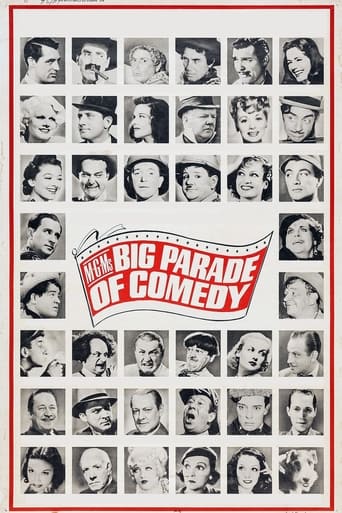 The Big Parade of Comedy · 1964
The Big Parade of Comedy
★ 7.21964
MovieComedyDocumentary
Film clips highlight the funniest scenes and brightest comic stars in MGM's history.
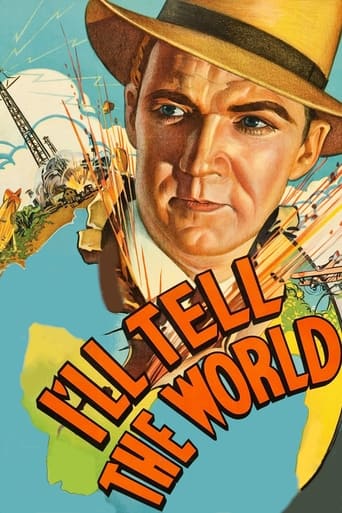 I'll Tell the World · 1934
I'll Tell the World
★ 7.01934
MovieRomanceComedy
Lee Tracy once again plays a Winchellesque newspaper reporter in Universal's I'll Tell the World. More interested in his sex life than his career, news hawk Brown nonetheless agrees to cover the activities of a European archduke on behalf of his wire service.
 Salute · 1929
Salute
★ 5.81929
MovieDramaRomance
A comedy-romance about rival brothers attending a military academy.
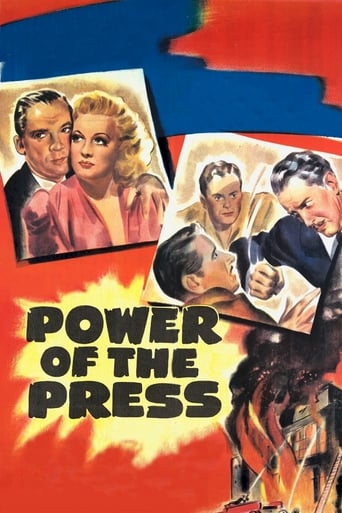 Power of the Press · 1943
Power of the Press
★ 6.51943
MovieDrama
During WWII, the publisher of the isolationist New York Gazette is murdered just as he was about to change the paper's policy and support the US war effort. His friend, a small town patriotic editor, is brought in to find the culprits.
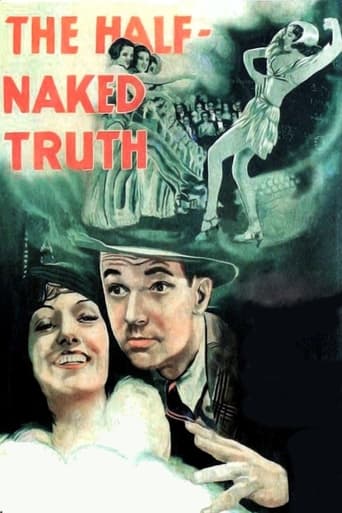 The Half-Naked Truth · 1932
The Half-Naked Truth
★ 5.11932
MovieComedyRomance
A carnival pitchman (Tracy) finagles his girlfriend, a fiery hoochie dancer (Vélez), into a major Broadway revue under the auspices of an impresario (Morgan).
Filmography
Sort
The Big Parade of Comedy · 1964The Big Parade of Comedy
★ 7.21964
MovieComedyDocumentary
Film clips highlight the funniest scenes and brightest comic stars in MGM's history.
Space in 'Bombshell' (archive footage)
Salute · 1929Salute
★ 5.81929
MovieDramaRomance
A comedy-romance about rival brothers attending a military academy.
Radio Announcer (uncredited)
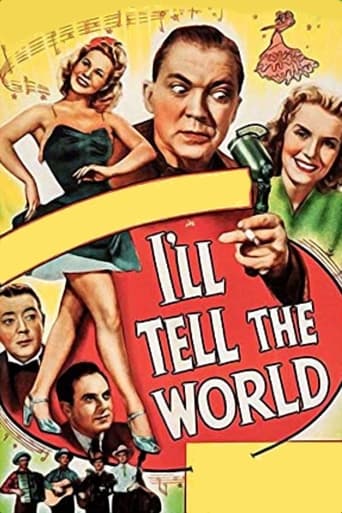 I'll Tell the World · 1945
I'll Tell the World
★ 7.01945
MovieComedy
A PR man saves a struggling radio station from ruin.
Gabriel Patton
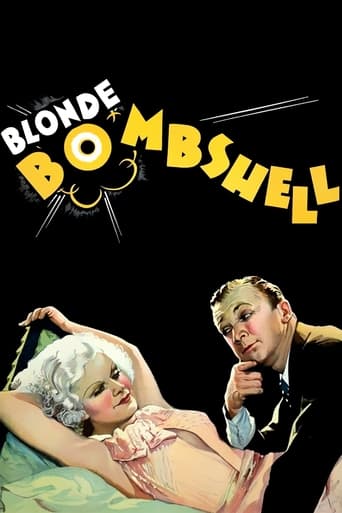 Bombshell · 1933
Bombshell
★ 6.51933
MovieComedyRomance
A glamorous film star rebels against the studio, her pushy press agent and a family of hangers-on.
E.J. 'Space' Hanlon