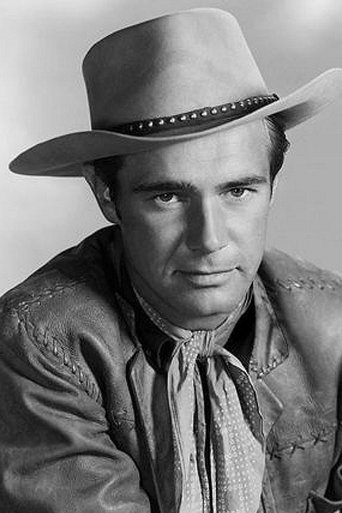
John Lupton

Acting

John Lupton

Born August 23, 1928 · Highland Park, Illinois, United States

Died November 3, 1993 · aged 65

From Wikipedia, the free encyclopedia. John Rollin Lupton (August 23, 1928 - November 3, 1993) was an American film and television actor. Upon graduation from New York's American Academy of Dramatic Arts, Lupton secured immediate stage work. Then he was signed as a contract player at MGM in Hollywood. Lupton was lanky and handsome like James Stewart or Henry Fonda, but never achieved similar fam…

Known For
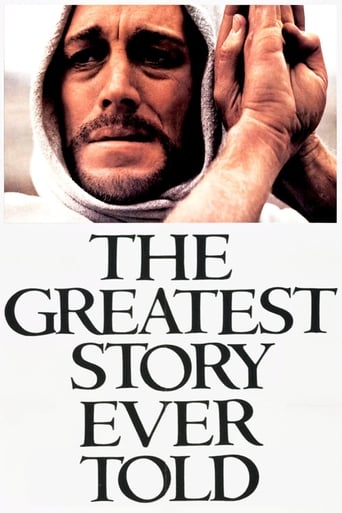
The Greatest Story Ever ToldThe Greatest Story Ever Told · 1965
The Greatest Story Ever Told
6.41965
MovieDramaHistory
From his birth in Bethlehem to his death and eventual resurrection, the life of Jesus Christ is given the all-star treatment in this epic retelling. Major aspects of Christ's life are touched upon, including the execution of all the newborn males in Egypt by King Herod; Christ's baptism by John the Baptist; and the betrayal by Judas after the Last Supper that eventually leads to Christ's crucifixion and miraculous return.
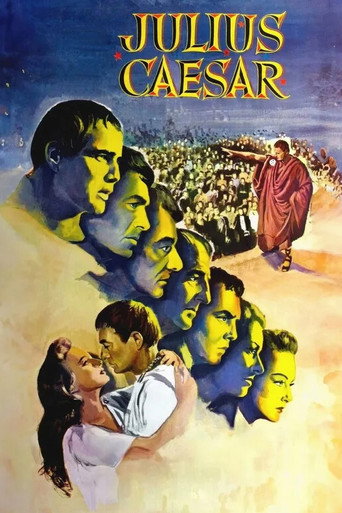
Julius CaesarJulius Caesar · 1953
Julius Caesar
7.11953
MovieDramaHistory
The growing ambition of Julius Caesar is a source of major concern to his close friend Brutus. Cassius persuades him to participate in his plot to assassinate Caesar but both have sorely underestimated Mark Antony.
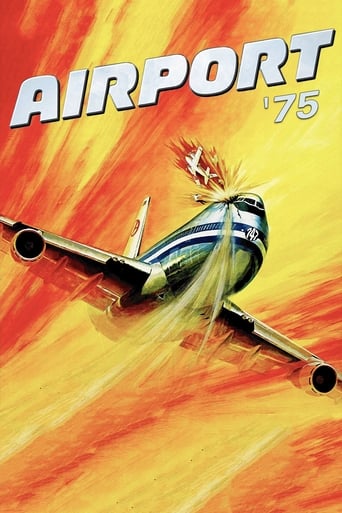
Airport 1975Airport 1975 · 1974
Airport 1975
5.81974
MovieDramaThriller
When an in-flight collision incapacitates the pilots of an airplane bound for Los Angeles, stewardess Nancy Pryor is forced to take over the controls. From the ground, her boyfriend Alan Murdock, a retired test pilot, tries to talk her through piloting and landing the 747 aircraft. Worse yet, the anxious passengers — among which are a noisy nun and a cranky man — are aggravating the already tense atmosphere.
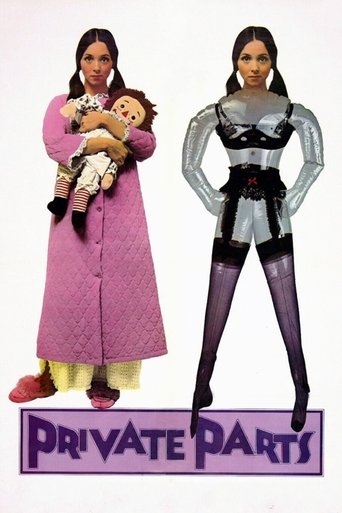
Private PartsPrivate Parts · 1972
Private Parts
5.61972
MovieComedyHorror
In the sleaziest corner of Los Angeles, the King Edward Hotel has a new arrival in the form of Cheryl, a runaway teen. She's hoping to put her life back together but somewhere in the musty halls of the King Edward lurks another guest — who just loves to chop people apart!
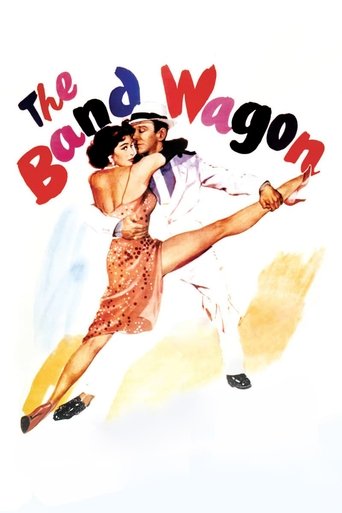
The Band WagonThe Band Wagon · 1953
The Band Wagon
7.21953
MovieComedyRomance
A Broadway artiste turns a faded film star's comeback vehicle into an artsy flop.
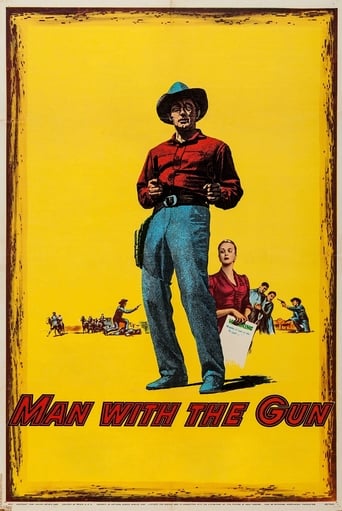
Man with the GunMan with the Gun · 1955
Man with the Gun
6.11955
MovieWestern
A stranger comes to town looking for his estranged wife. He finds her running the local girls. He also finds a town and sheriff afraid of their own shadow, scared of a landowner they never see who rules through his rowdy sidekicks. The stranger is a town tamer by trade, and he accepts a $500 commission to sort things out.
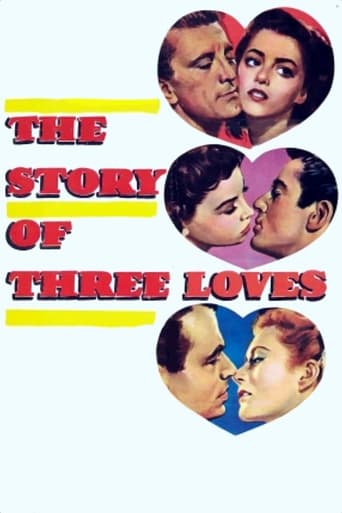
The Story of Three LovesThe Story of Three Loves · 1953
The Story of Three Loves
6.01953
MovieDramaRomance
Passengers on an ocean liner recall their greatest loves.
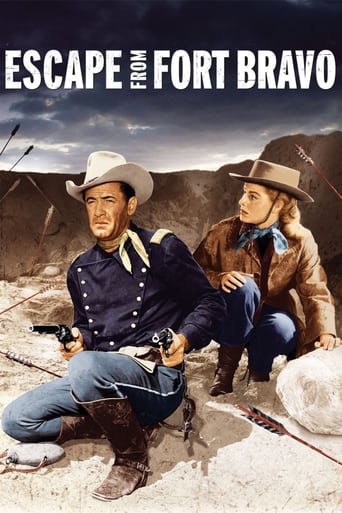
Escape from Fort BravoEscape from Fort Bravo · 1953
Escape from Fort Bravo
6.31953
MovieWestern
A Southern belle frees a Rebel officer and his men from a Union captain's Arizona fort.

Filmography

Sort
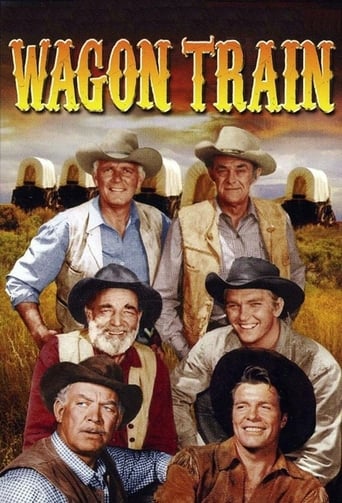
Wagon TrainWagon Train · 1957
Wagon Train
6.61957
SeriesWesternDrama
The series initially starred veteran movie supporting actor Ward Bond as the wagon master, later replaced upon his death by John McIntire, and Robert Horton as the scout, subsequently replaced by lookalike Robert Fuller a year after Horton had decided to leave the series. The series was inspired by the 1950 film Wagon Master directed by John Ford and starring Ben Johnson, Harry Carey Jr. and Ward Bond, and harkens back to the early widescreen wagon train epic The Big Trail starring John Wayne and featuring Bond in his first major screen appearance playing a supporting role. Horton's buckskin outfit as the scout in the first season of the television series resembles Wayne's, who also played the wagon train's scout in the earlier film.

Ernie Weaver

Matinee TheaterMatinee Theater · 1955
Matinee Theater
5.31955
SeriesDrama
Matinee Theater is an American anthology series that aired on NBC during the Golden Age of Television, from 1955 to 1958. The series, which ran daily in the afternoon, was frequently live. It was produced by Albert McCleery, Darrell Ross, George Cahan and Frank Price with executive producer George Lowther. McCleery had previously produced the live series Cameo Theatre which introduced to television the concept of theater-in-the-round, TV plays staged with minimal sets. Jim Buckley of the Pewter Plough Playhouse recalled: When Al McCleery got back to the States, he originated a most ambitious theatrical TV series for NBC called Matinee Theater: to televise five different stage plays per week live, airing around noon in order to promote color TV to the American housewife as she labored over her ironing. Al was the producer. He hired five directors and five art directors. Richard Bennett, one of our first early presidents of the Pewter Plough Corporation, was one of the directors and I was one of the art directors and, as soon as we were through televising one play, we had lunch and then met to plan next week’s show. That was over 50 years ago, and I’m trying to think; I believe the TV art director is his own set decorator —yes, of course! It had to be, since one of McCleery’s chief claims to favor with the producers was his elimination of the setting per se and simply decorating the scene with a minimum of props. It took a bit of ingenuity.
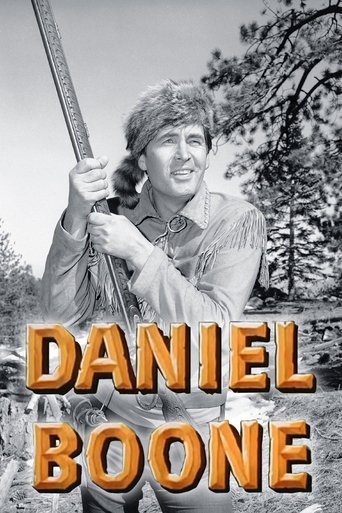
Daniel BooneDaniel Boone · 1964
Daniel Boone
7.01964
SeriesAction & AdventureWestern
Daniel Boone is an American action-adventure television series starring Fess Parker as Daniel Boone that aired from September 24, 1964 to September 10, 1970 on NBC for 165 episodes, and was made by 20th Century Fox Television. Ed Ames co-starred as Mingo, Boone's Cherokee friend, for the first four seasons of the series. Albert Salmi portrayed Boone's companion Yadkin in season one only. Dallas McKennon portrayed innkeeper Cincinnatus. Country Western singer-actor Jimmy Dean was a featured actor as Josh Clements during the 1968–1970 seasons. Actor and former NFL football player Rosey Grier made regular appearances as Gabe Cooper in the 1969 to 1970 season. The show was broadcast "in living color" beginning in fall 1965, the second season, and was shot entirely in California and Kanab, Utah.

Chadwick

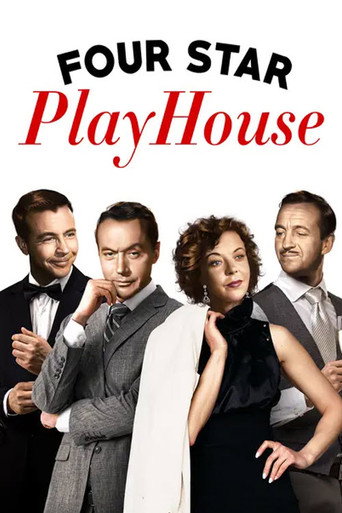
Four Star PlayhouseFour Star Playhouse · 1952
Four Star Playhouse
6.81952
SeriesDramaComedy
Four Star Playhouse is an American television anthology series that ran from 1952 to 1956, sponsored in its first bi-weekly season by The Singer Company; Bristol-Myers became an alternate sponsor when it became a weekly series in the fall of 1953. The original premise was that Charles Boyer, Ida Lupino, David Niven, and Dick Powell would take turns starring in episodes. However, several other performers took the lead from time to time, including Ronald Colman and Joan Fontaine. Blake Edwards was among the writers and directors who contributed to the series. Edwards created the recurring character of illegal gambling house operator Willie Dante for Dick Powell to play on this series. The character was later revamped and spun off in his own series starring Howard Duff, then-husband of Lupino. The pilot for Meet McGraw, starring Frank Lovejoy, aired here, as did another episode in which Lovejoy recreated his role of Chicago newspaper reporter Randy Stone, from the radio drama Nightbeat.

Lloyd

Surfside 6Surfside 6 · 1960
Surfside 6
6.31960
SeriesDrama
Surfside 6 was an ABC television series which aired from 1960 to 1962. The show centered on a Miami Beach detective agency set on a houseboat and featured Troy Donahue as Sandy Winfield II; Van Williams as Kenny Madison; and Lee Patterson as Dave Thorne. Diane McBain co-starred as socialite Daphne Dutton, whose yacht was berthed next to their houseboat. Margarita Sierra also had a supporting role as Cha Cha O'Brien, an entertainer who worked at The Boom Boom Room, a popular Miami Beach hangout at the Fontainebleau Hotel, directly across the street from Surfside 6. Surfside 6 was in fact a real address in Miami Beach, where an unrelated houseboat was moored at the time; it can also be seen in the sweeping aerial establishing shot of the Fontainebleu in 1964's Goldfinger.

Curt Maxon