Directing
Peter Miller
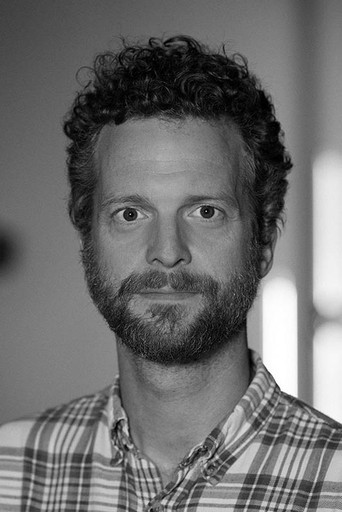
Peter Miller is an artist specializing in film and photography based in Essen, Germany and Paris, France. He received his MFA from the School of the Art Institute of Chicago and apprenticed to be a silversmith. His film and photographic works are preoccupied with magic and generally investigate the phenomena of the cinema and its constituent, irreducible elements: lens, light, flicker, audience, p…
Known For
 Projector Obscura · 2005
Projector Obscura
★ 5.02005
Movie
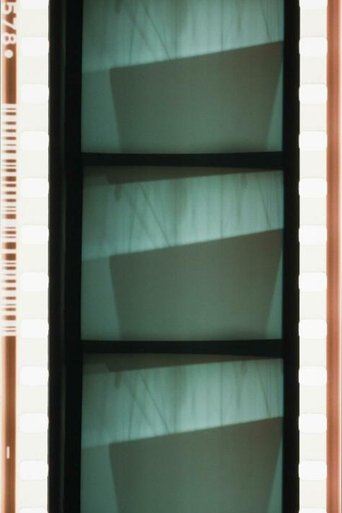
The similarity between motion picture cameras and projectors is such that if a projection booth is adequately darkened and unexposed film is run through a projector, light illuminating the theater will enter the projector lens and expose the film. 35mm film projectors used this way will record the objects and space before them, exposing the relationship between two fixed elements in the cinema: the projector and the screen. In "Projector Obscura", the lens, which is normally responsible for casting out so many images, is given a chance to take in light and reflect upon its theatrical space, and the screen is given a chance to stand bare.The theaters recorded in this project are the Biograph, the Gene Siskel Film Center, Anthology Film Archives, Gateway, MFA-Boston, Coolidge Corner and Harvard Film Archive.
 Gossamer Walls · 2007
Gossamer Walls
2007
Movie
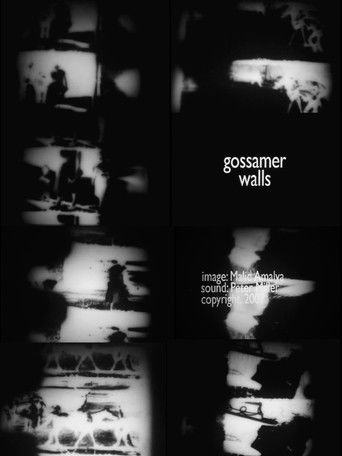
Through the process of contact printing, hand processing, and low-fi optical printing, Gossamer Walls remembers, mis-remembers, and reinterprets a previous generation’s super 8 home movies.
 Stained Glass · 2014
Stained Glass
2014
MovieDocumentary
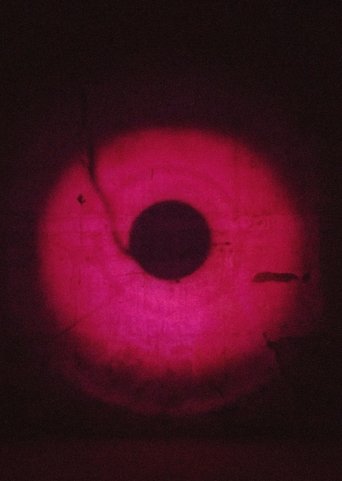
Dear Projectionist, after these opening credits, please remove the lens from the projector for the duration of the film. Thank you in advance. (Peter Miller)
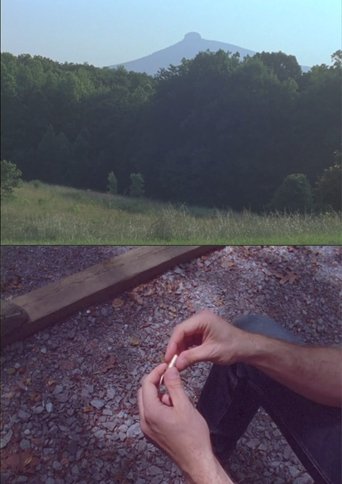 Photuris · 2013
Photuris
2013
MovieDocumentary
 Ritournelle · 2012
Ritournelle
2012
Movie
"How do you find what you don't know you're looking for ?"
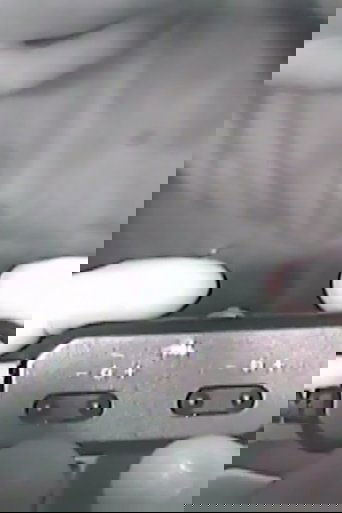 Eidola · 2014
Eidola
2014
Movie
'Eidola' references an early intromission theory of vision, that all things emit tiny versions of themselves into our eyes. That theory competed at the time with the emission theory, that the eyes themselves emitted light, which emerged from the eyes and sent back to the mind what was seen. In this piece we see through eyes that emit an infrared light to which the raw film is insensitive while touching the camera's retina with an external light which it can 'see'. We move from the un-lensed eye along the film path (optical nerve) into the magazine containing the film in the process of its exposure (the mind). As we do so there is a growing lapse between the performed light and the moment we see it in the video because we are traveling further from the 'eye' (memory).
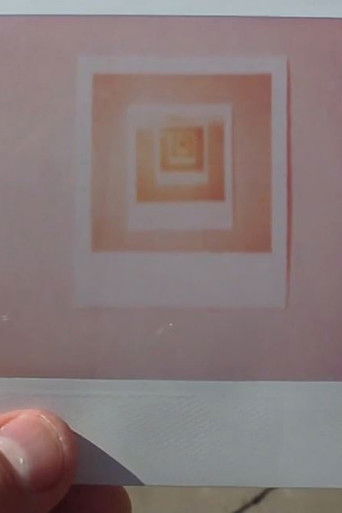 Polaroid Feedback · 2009
Polaroid Feedback
2009
Movie
Unlike traditional video, or double-mirror feedback, this Polaroid doesn't reference the infinite extendibility of a single moment, but rather it reverse engineers the collapsibility of many moments into one.
 Firefly · 2006
Firefly
2006
Movie
A boy and a girl expose a quantity of film to a constellation of fireflies, making a cameraless portrait of bioluminescence. This is what the world might look like to a firefly, from birth to death. This film was not made with a lens. It is a self-portrait of fireflies.