Acting
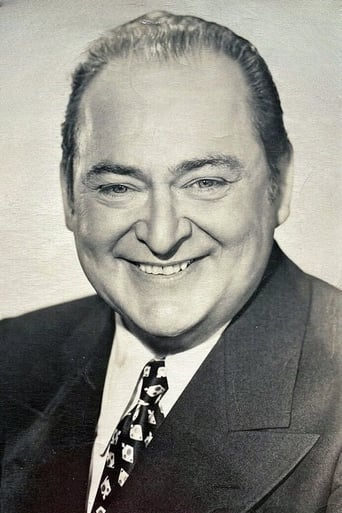
Edward Arnold
Born February 17, 1890 · New York City, New York, USA
Died April 26, 1956 · aged 66
Edward Arnold (born Gunther Edward Arnold Schneider; February 17, 1890 – April 26, 1956) was an American actor. Arnold began his acting career on the New York stage and became a film actor in 1916. A burly man with a commanding style and superb baritone voice, he was a popular screen personality for decades, and was the star of such film classics as Diamond Jim (1935) (a role he reprised in Le rom…
Known For
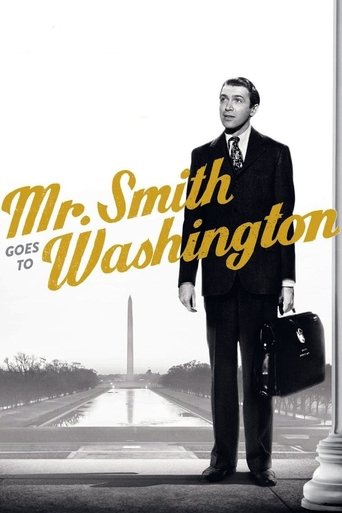 Mr. Smith Goes to Washington · 1939
Mr. Smith Goes to Washington
★ 7.81939
MovieComedyDrama
After the death of a United States Senator, the idealistic Jefferson Smith is appointed as his replacement in Washington. The naive and earnest new senator soon finds himself battling political corruption.
 Annie Get Your Gun · 1950
Annie Get Your Gun
★ 6.71950
MovieComedyWestern
Gunslinger Annie Oakley romances fellow sharpshooter Frank Butler as they travel with Buffalo Bill's Wild West Show.
 Johnny Apollo · 1940
Johnny Apollo
★ 6.81940
MovieDramaCrime
Wall Street broker Robert Cain, Sr., is jailed for embezzling. His college graduate son Bob then turns to crime to raise money for his father's release. As assistant to mobster Mickey Dwyer, then falls for Dwyer's girl Lucky. He winds up in the same prison as his father.
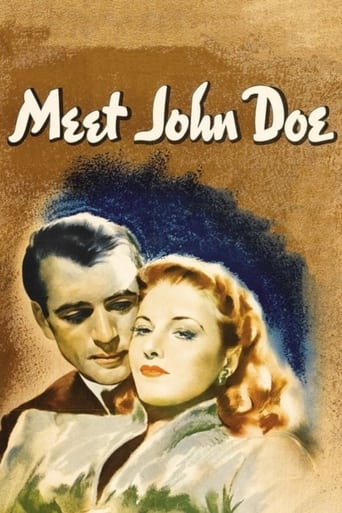 Meet John Doe · 1941
Meet John Doe
★ 7.31941
MovieDramaComedy
As a parting shot, fired reporter Ann Mitchell prints a fake letter from unemployed "John Doe," who threatens suicide in protest of social ills. The paper is forced to rehire Ann and hires John Willoughby to impersonate "Doe." Ann and her bosses cynically milk the story for all it's worth, until the made-up "John Doe" philosophy starts a whole political movement.
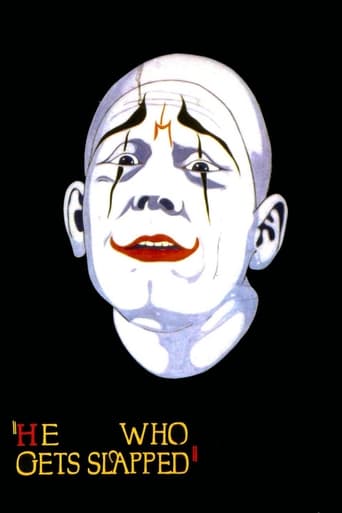 He Who Gets Slapped · 1924
He Who Gets Slapped
★ 7.51924
MovieDramaThriller
After a baron steals his scientific discoveries, runs away with his wife, and slaps him in public, a man joins a Parisian circus sideshow as a clown whose act consists of being slapped repeatedly and becomes infatuated with a showgirl colleague whose father intends to marry her off to the baron.
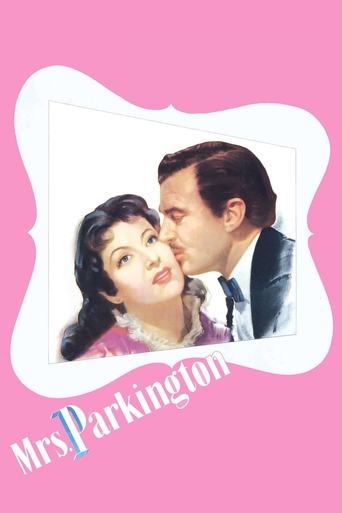 Mrs. Parkington · 1944
Mrs. Parkington
★ 6.01944
MovieDramaRomance
In this family saga, Mrs. Parkington recounts the story of her life, beginning as a hotel maid in frontier Nevada where she is swept off her feet by mine owner and financier Augustus Parkington. He moves them to New York, tries to remake her into a society woman, and establishes their home among the wealthiest of New York's high society. Family and social life is not always peaceful, however, and she guides us, in flashbacks, through the rises and falls of the Parkington family fortunes.
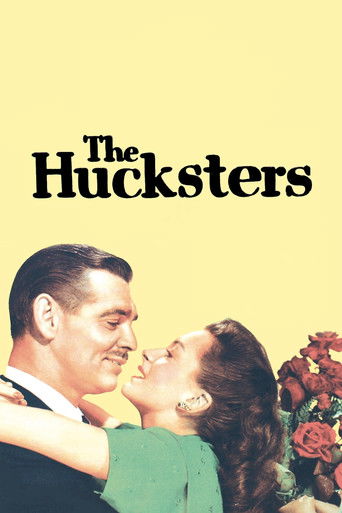 The Hucksters · 1947
The Hucksters
★ 7.01947
MovieDramaRomance
A World War II veteran wants to return to advertising on his own terms, but finds it difficult to be successful and maintain his integrity.
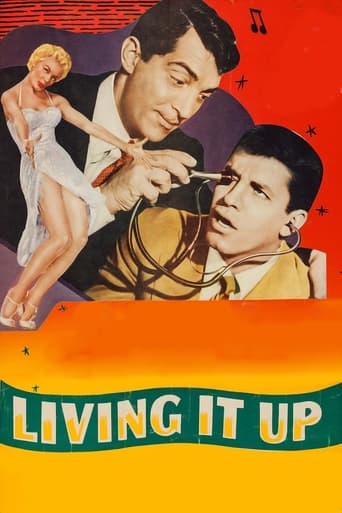 Living It Up · 1954
Living It Up
★ 6.51954
MovieComedyMusic
Homer Flagg is a railroad worker in the small New Mexico town of Desert Hole. One day, he finds an abandoned automobile at an old atomic proving ground. His doctor and best friend, Steve Harris, diagnoses him with radiation poisoning and gives Homer three weeks to live. A big city reporter hears of Homer's plight and convinces her editor to provide an all-expenses paid trip to New York.
Filmography
Sort
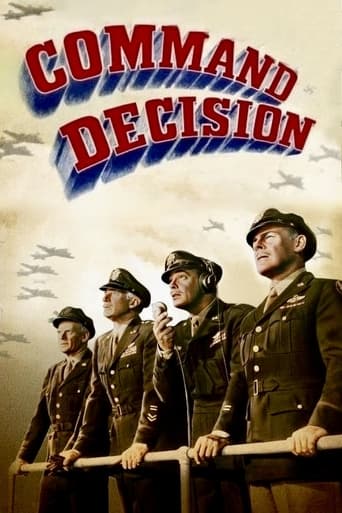 Command Decision · 1948
Command Decision
★ 6.61948
MovieWarDrama
High-ranking officers struggle with the decision to prioritize bombing German factories producing new jet fighters over the extremely high casualties the mission will cost.
Congressman Arthur Malcolm
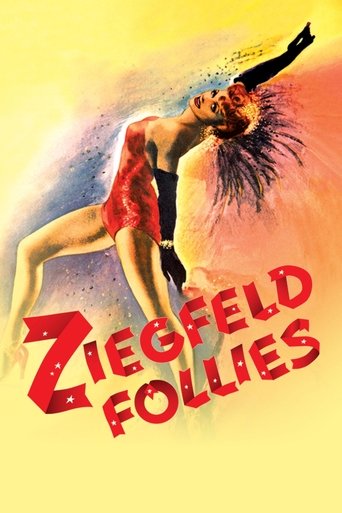 Ziegfeld Follies · 1945
Ziegfeld Follies
★ 6.01945
MovieMusicComedy
The late, great impresario Florenz Ziegfeld looks down from heaven and ordains a new revue in his grand old style.
Lawyer (segment "Pay the Two Dollars")

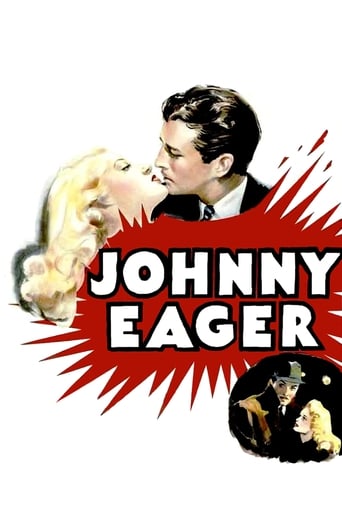 Johnny Eager · 1941
Johnny Eager
★ 6.21941
MovieCrimeDrama
A charming racketeer seduces the DA's stepdaughter for revenge, then falls in love.
John Benson Farrell
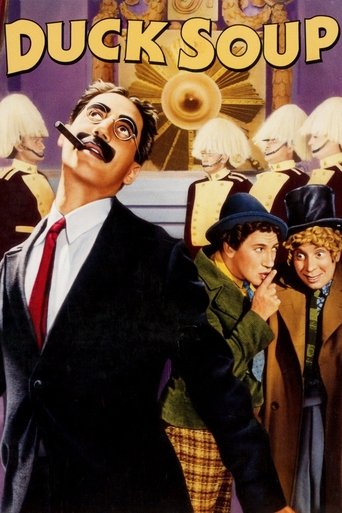 Duck Soup · 1933
Duck Soup
★ 7.31933
MovieComedyWar
Rufus T. Firefly is named president/dictator of bankrupt Freedonia and declares war on neighboring Sylvania over the love of wealthy Mrs. Teasdale.
Politician (uncredited)