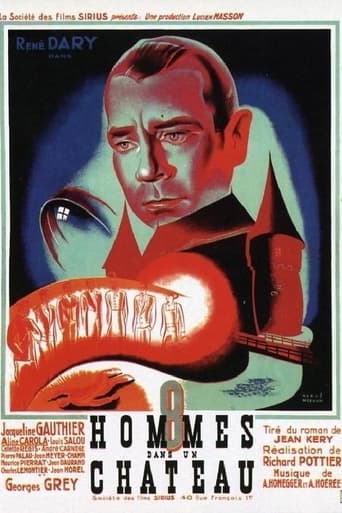
Sound
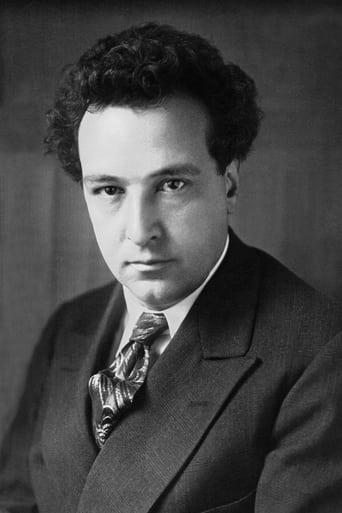
Arthur Honegger
Born March 10, 1892 · Le Havre, Seine-Inférieure [now Seine-Maritime], France
Died November 27, 1955 · aged 63
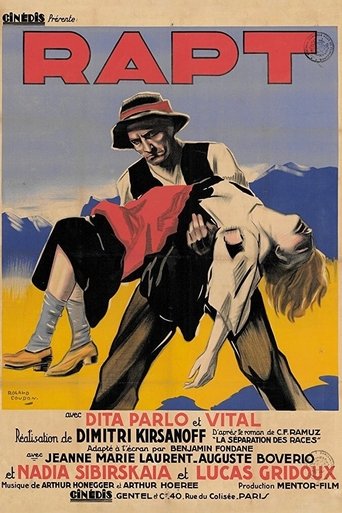
Arthur Honegger was born on 10 March 1892 in Le Havre, Seine-Inférieure [now Seine-Maritime], France. He was a composer and writer, known for Pygmalion (1938), Street of Shadows (1937) and The Kidnapping (1934). He was married to Andrée Vaurabourg. He died on 27 November 1955 in Paris, France.
Known For
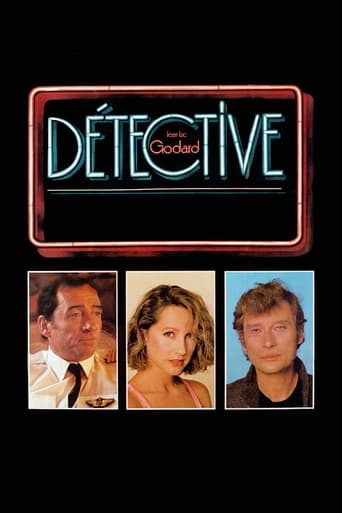 Detective · 1985
Detective
★ 5.21985
MovieComedyCrime
Emile Chenal and his wife, Françoise, leaned on boxing manager Jim Fox Warner to cough up the considerable sum of money that he owes them, with both the police and the mob circling the situation. In the same hotel, Inspector Neveu looks into a murder that took place years before, and his storyline overlaps with the arc of the Chenals.
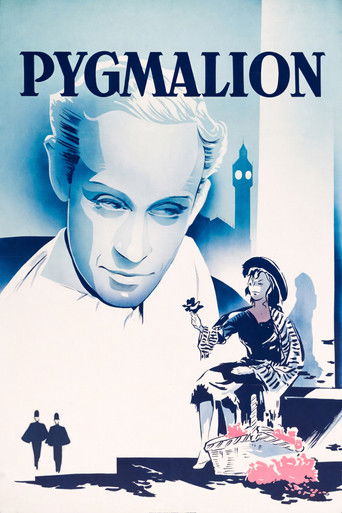 Pygmalion · 1938
Pygmalion
★ 7.01938
MovieComedyDrama
When linguistics professor Henry Higgins boasts that he can pass off Cockney flower girl Eliza Doolittle as a princess with only six months' training, Colonel George Pickering takes him up on the bet. Eliza moves into Higgins's home and begins her rigorous training after the professor comes to a financial agreement with her dustman father, Alfred. But the plucky young woman is not the only one undergoing a transformation.
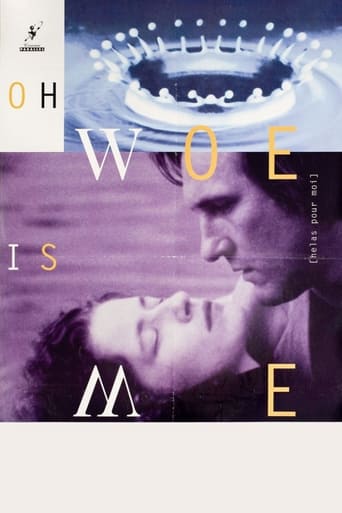 Oh, Woe Is Me · 1993
Oh, Woe Is Me
★ 6.31993
MovieDramaFantasy
This complex allegorical tale tells the story of man’s quest for spiritual meaning. When God enters the body of 1980s filmmaker Simon Donnadieu, his wife Rachel realizes that something has gone awry, but chooses to remain faithful to her erratically-behaving husband.
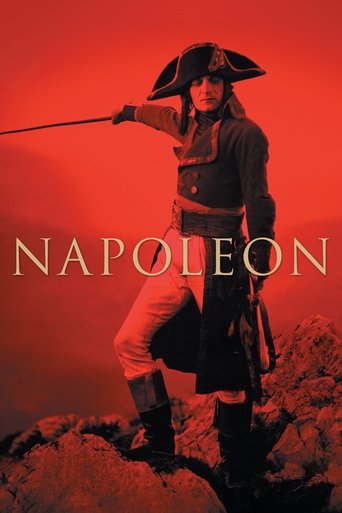 Napoleon · 1927
Napoleon
★ 7.91927
MovieDramaHistory
A biopic of former Emperor of France, Napoleon Bonaparte, tracing the Corsican's career from his schooldays (where a snowball fight is staged like a military campaign) to his flight from Corsica, through the French Revolution (where a real storm is intercut with a political storm) and the Terror, culminating in his triumphant 1797 invasion of Italy.
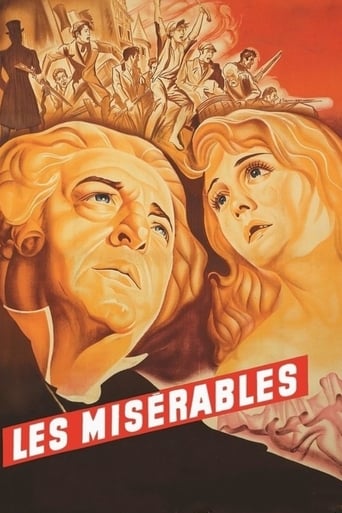 Les Misérables · 1934
Les Misérables
★ 7.91934
MovieDramaHistory
In 19th century France, Jean Valjean, a man imprisoned for stealing bread, must flee a relentless policeman named Javert. The pursuit consumes both men's lives, and soon Valjean finds himself in the midst of the student revolutions in France.
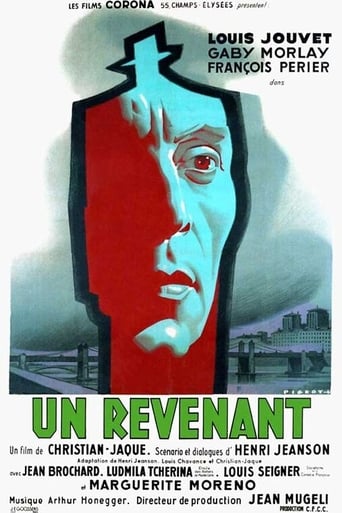 A Lover's Return · 1946
A Lover's Return
★ 6.21946
MovieDrama
A ballet producer returns to his native town and schemes to avenge himself on the family who tried to murder him 20 years before.
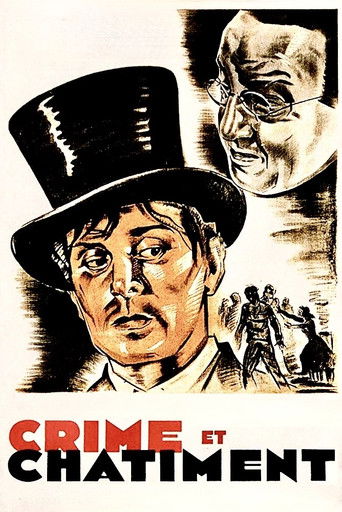 Crime and Punishment · 1935
Crime and Punishment
★ 7.01935
MovieCrimeDrama
Former student Raskolnikov is pushed to murder when struggling to pay the rent on his apartment. When the murder is being investigated by the police, Raskolnikov struggles between trying to hide his guilt and the pressure to confess.
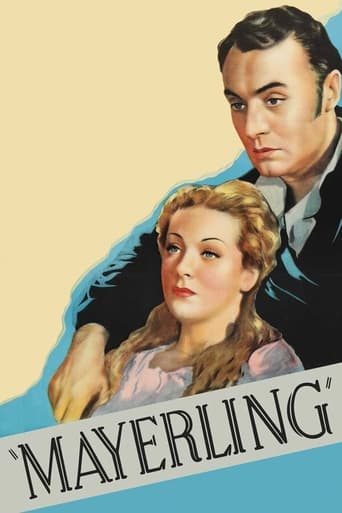 Mayerling · 1936
Mayerling
★ 6.51936
MovieHistoryDrama
Rudolf, the only heir to Emperor Franz Josef of Austria-Hungary, is trapped in a loveless marriage to a Belgian princess. As he seeks to flee his stifling environment, he meets the beautiful Maria, and the two enter into a scandalous affair. Despite the interference of the Emperor, the couple refuse to give each other up.