Directing
Richard Oswald
Born November 5, 1880 · Vienna, Austria
Died September 11, 1963 · aged 82
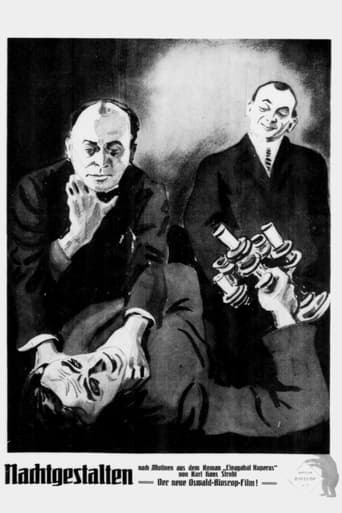
Richard Oswald was an Austrian director, producer, actor and screenwriter. He directed more than 100 feature films from 1914 to 1951. Among them the classics "Nachtgestalten" (1920), "Unheimliche Geschichten" (1919/1932), "Die Prostitution 1-2" (1919) and "Alraune" (1930). Being Jewish, Oswald was forced to flee Nazi Germany, first for occupied France and later emigrating to the United States.
Known For
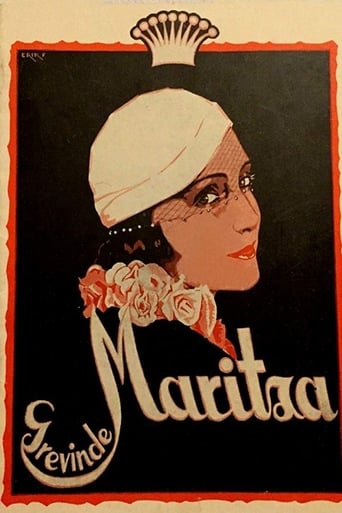 Countess Mariza · 1932
Countess Mariza
★ 8.01932
MovieMusicRomance
When Gräfin Mariza visits her country estate it is certainly an event. She gives a party to celebrate her engagement to a certain Koloman Zsupan, who unexpectedly shows up. Her authoritarian ways collide with Török, her manager. Based on Emerich Kálmán operetta.
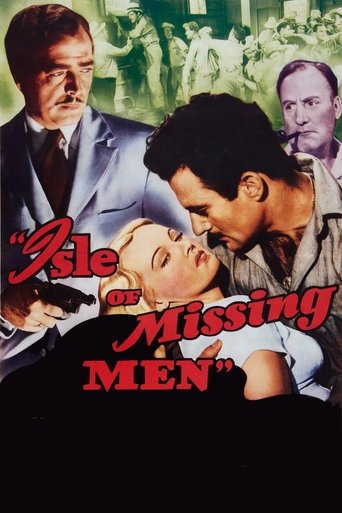 Isle of Missing Men · 1942
Isle of Missing Men
★ 6.81942
MovieRomanceDrama
A young woman receives an invitation from the Governor of an island prison to spend a week with him. She does so, but conceals the fact that her husband is being held as a convict on the island.
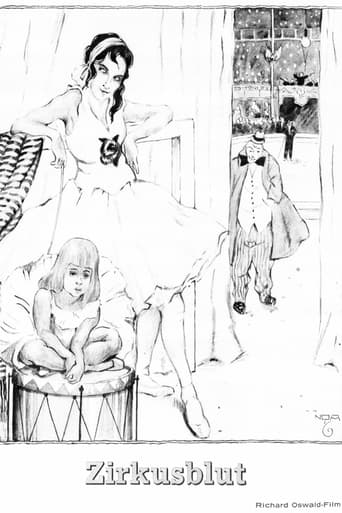 Circus Blood · 1916
Circus Blood
1916
MovieDrama
Georg Bertrand, a gambling addict and the son of a wealthy landowner, is kicked out of his family home. The director of a travelling circus takes him in. In time, Georg marries the director's daughter and himself becomes the director. Georg's brother visits the circus and recognizes him. Georg must now decide whether to stay with the circus or return to the family that kicked him out.
 Tempête sur l'Asie · 1938
Tempête sur l'Asie
★ 9.01938
MovieAdventure
An adventurer tries to seize oil deposits in Mongolia .
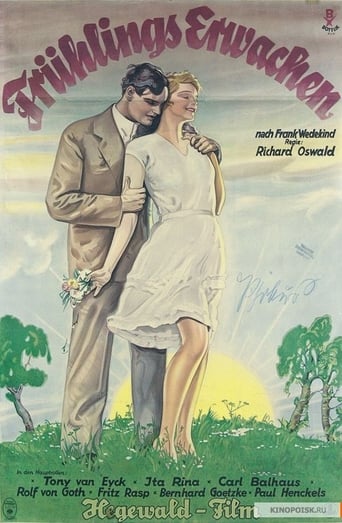 Spring Awakening · 1929
Spring Awakening
★ 10.01929
MovieDrama
Moritz Stiefel faces expulsion due to poor marks. When he is caught with an essay titled “Shame and Lust”, he is indeed kicked out – instead of classmate Melchior Gabor, who actually penned it. Gabor was drawing on his experiences with neighbourhood girl Wendla. Then Wendla turns up pregnant. Stiefel descends into despair ... Exploitation between Eros and Thanatos in this “sexual tragedy of youth” based on Frank Wedekind’s play. Setting the film in the 1920s provided a chance to explore “modern” youth culture, complete with cigarettes, jazz music, the gramophone, and a goodly bit of alcohol. Richard Oswald, a master of films of manners and young sex beginning in the 1910s, fully explores the temptations of the youthful body, even early childhood flirtatiousness. At the same time, with his target audience in mind, the film laments the bigotry and double standards of the adult world.
 Villa Falconieri · 1928
Villa Falconieri
★ 8.51928
MovieDrama
A young count rents a villa near Rome to be near a woman he's courting. While there, he strikes up a friendship with a young woman living with a violent husband.
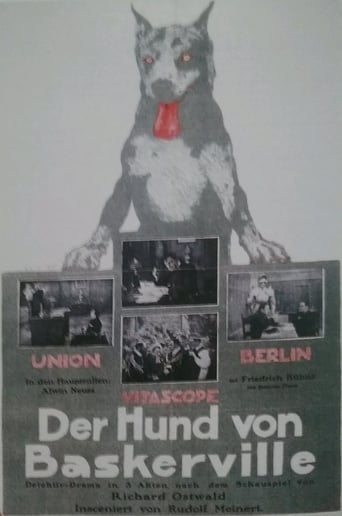
 The Hound of the Baskervilles · 1929
The Hound of the Baskervilles
★ 6.91929
MovieCrimeHorror
One of the last of the silent Sherlock films.
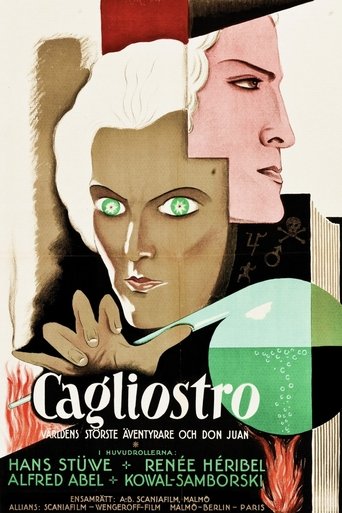 Cagliostro · 1929
Cagliostro
★ 4.81929
MovieDramaAdventure
Paris, France, 1784. After living many tribulations, Joseph Balsamo, known as Count Cagliostro, an infamous adventurer, enigmatic magician and necromancer, experienced physician and ruthless swordsman, triumphs among the members of the decadent French aristocracy. But a bold foretelling about a very prominent noblewoman causes his fall in disgrace… (Partially lost film.)
Filmography
Sort