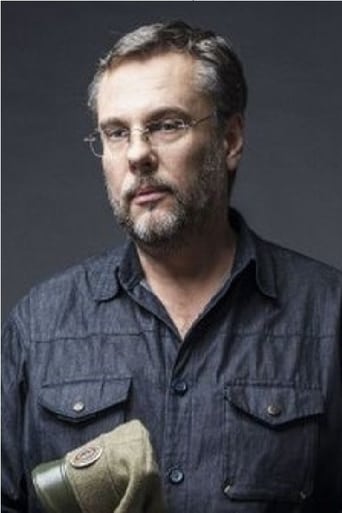
Directing
Askolds Saulītis
Born June 5, 1966 · Liepāja, Latvia
Died March 10, 2021 · aged 54
Askolds Saulītis (1966-2021) was a Latvian film director.
Known For
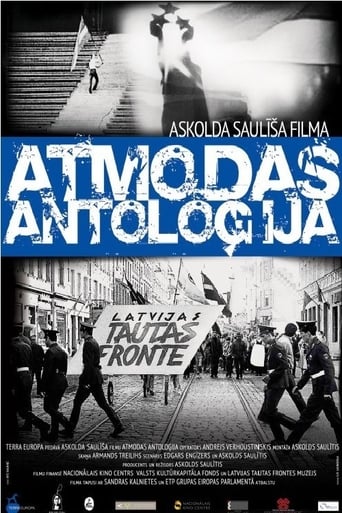 The Path to Baltic Freedom · 2013
The Path to Baltic Freedom
2013
MovieDocumentary
The film, dedicated to the 25th Anniversary of the Popular Front of Latvia, shows the most important turning points in the history of the Latvian National Awakening and Singing Revolution, as well as the rebirth of Latvian national symbols and values. In The Path to Baltic Freedom the authors focus on lesser known pages of history – the influence of perestroika on the early national movements of the 1980s, the role and participation of the Secret Service and the Communist Party in the newly-forming mass movements and their wish to guide or at least control them. The history of the Popular Front is shown not only until their victory in the first free elections in the history of the USSR that resulted in the restoration of independence for the Baltic states; the film also includes the decline of the organization after it had reached the most crucial of its goals.
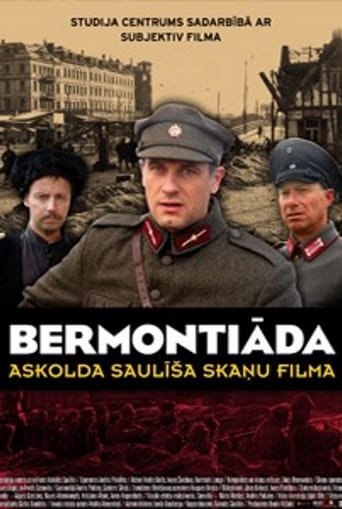 Our Land and Liberty. Bermontiade · 2009
Our Land and Liberty. Bermontiade
2009
MovieDocumentary
A film about the alarming events of the autumn of 1919, when the fate of modern-day, post WWI Europe was decided in Riga. Three world views clashed on the banks of the Daugava River – a national state for Latvians as proclaimed a year earlier, the Bolshevik revolutionary idea, and the resurrection of a monarchy. The reactionary monarchy interests were represented by German General Graf Rudiger von der Goltz, and Russian Colonel Pavel Bermont.
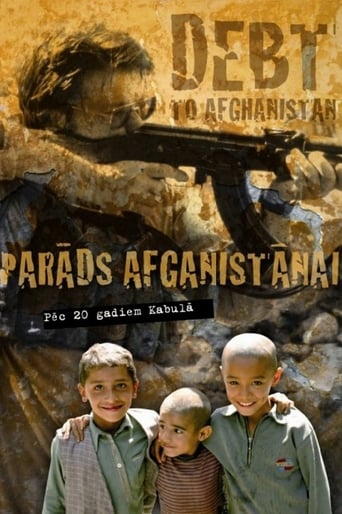 Debt to Afghanistan · 2008
Debt to Afghanistan
2008
MovieDocumentary
There is an old saying attributed to Alexander the Great: he who will rule Afghanistan will rule the world. The film portrays “the roof of the Earth” and tracks the close links between this far-off country and Latvia.
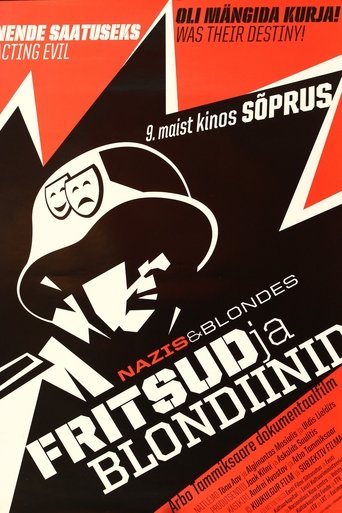 Nazis and Blondes · 2008
Nazis and Blondes
★ 6.02008
MovieDocumentaryHistory
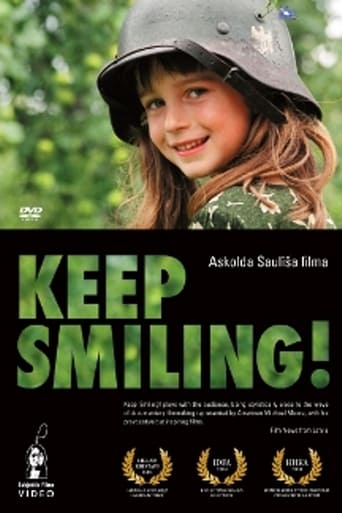
Veteran actors from the 3 Baltic countries - Estonia, Latvia and Lithuania - gather at a castle in Latvia to receive awards for their roles as Nazi villains in propagandist Soviet war films. They reminisce about the films that made them famous throughout the USSR, but also stigmatized the Baltic countries as Nazi sympathizers in the eyes of many Russians - a misconception that is nowadays exploited by the Russian media, desperate to label the Baltic countries as a fascist haven.
 The Anatomy of a National Holiday · 2005
The Anatomy of a National Holiday
2005
MovieDocumentary
Through expressive poetic cinematography this film offers a “poem” on the hundreds of worker-bees behind the annual celebrations of Latvian proclamation on November 18.
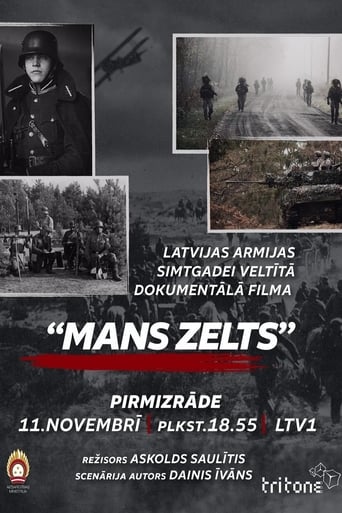 Mans zelts · 2020
Mans zelts
2020
MovieDocumentaryHistory
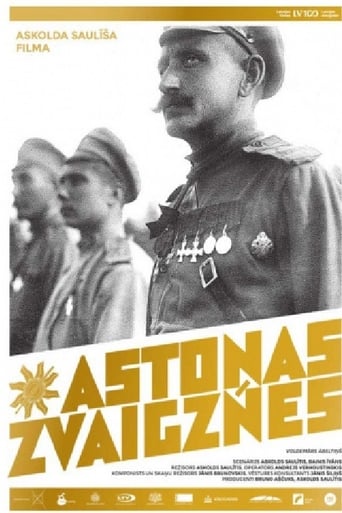
The spirit of Latvian soldiers, the most memorable moments in the history of the Latvian army, and an insight into the development of the National Armed Forces today. Using animation, unique archive footage and photographs, as well as stories told by contemporaries, an emotional message has been created about the Latvian fighting spirit, which has permeated conflicts led by foreign powers throughout Latvian history, helped to win the Latvian War of Independence and build a strong Latvian army during the interwar period, and gave the confidence to take to the barricades and restore the armed forces in the 1990s. The film was commissioned by the Ministry of Defense to ensure the preservation of military history.
 The Rape of Europe · 1998
The Rape of Europe
1998
MovieDocumentary
An artist. A painter. The enfant terrible of the old Soviet and now post-communist 'petit bourgeois' society. A mother of three, no husband, and every child from a different father. The children's ages range from 4 to 20 years. The artist herself is 43 at this time. A happy and free person at all times under any regime. A young, beautiful, photogenic being. Temperamental, garrulous and witty.
 Jaunības avots · 2001
Jaunības avots
2001
MovieDocumentary
A story about human passions hidden behind the apparent sleepiness and tranquility of a small European town. Each of us strives for happiness. We seek fulfillment in love, children, religion, and work. How can we prolong our lives, live them to the fullest, and achieve lasting health and youth? It seems that disappointment and despair will never touch us...
Filmography
Sort