E
Acting
Erwin Hartung
No biography available.
Known For
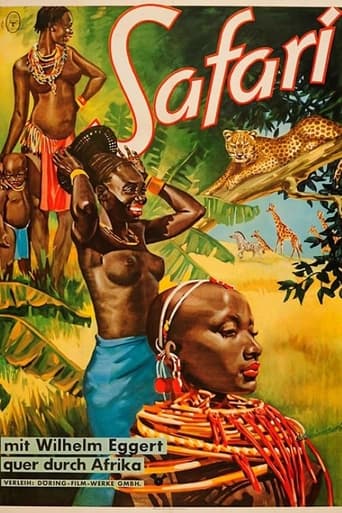 Safari · 1939
Safari
★ 8.01939
MovieDocumentary
Between 1933 and 1935, the painter Wilhelm Eggert and his wife Dora Kuster traveled the African continent. Their expedition took them from Mediterranean Algiers through the Sahara and parts of the African west coast to the Congo and Kenya. Not only did the couple explore vast stretches of land that were almost completely unknown, at least to private travelers at the time, they also captured this journey on film. A screenable documentary film was compiled from the original 12,000m of film material. In cinemas and film clubs, European audiences were presented with a film that was evidently able to satisfy an interest in foreign, 'wild' cultures and exotic landscapes, albeit one that was always Eurocentric. The spectacular shots of African lifestyles and nature, which in many respects were new to European viewers who were almost completely unfamiliar with Africa, were praised and appreciated precisely because of their supposed authenticity.
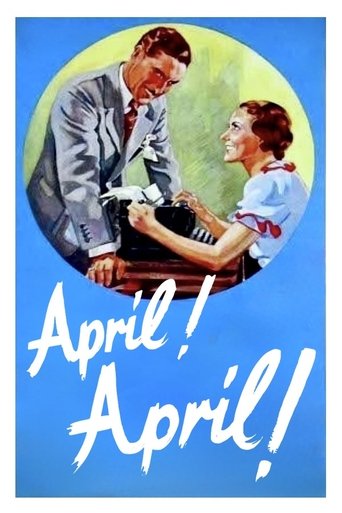 April, April! · 1935
April, April!
★ 6.21935
MovieComedy
Businessman and shameless social climber, Julius Lampe, is subjected to a cruel April Fools’ Day prank when he is led to believe a noble prince intends to personally inspect his pasta factory.
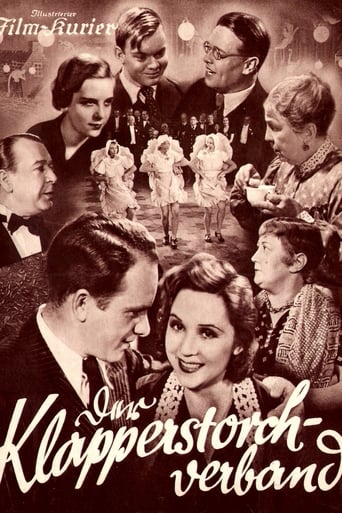 The Stork Society · 1937
The Stork Society
★ 9.01937
MovieDrama
Literary adaptation about the need for the new Germany to have more children.
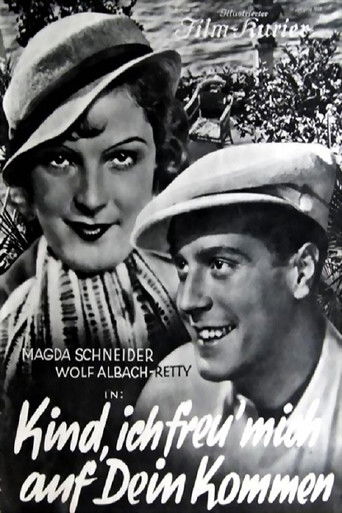 Child, I'm Happy on Your Coming · 1933
Child, I'm Happy on Your Coming
★ 10.01933
MovieDrama
Portrait photographer Lu Tiemann owns a white wire-haired terrier named "Stork." For Lu, the charming dog has a very specific purpose: to either jump into parked cars with men at the wheel, thereby attracting their attention, or to hide inside the car and emerge while it's moving – with the same result. When the driver then wants to get a closer look at the "crazy" dog, the following inscription can be read on his collar: "My name is Stork, owned by Lu Tiemann, Regentenstrasse 17." Many well-to-do gentlemen fall for this approach, such as a portly consul or a factory owner and privy councillor, next to whom "Stork" brazenly positions himself on the passenger seat.
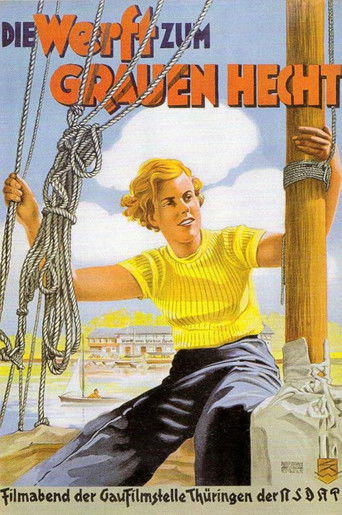 The Grey Pikes Wharf · 1935
The Grey Pikes Wharf
★ 7.01935
MovieDrama
Otto is pressured by his former girlfriend Mila to marry her. His friend and colleague Franz gets him a new job at Bernhard Münchow's remote auto repair shop, where Otto is safe from Mila for the time being. But then he falls in love with Käthe, the daughter of the owner of the shipyard “Zum grauen Hecht,” and finds a bitter enemy in Ladewig, who is also in love with Käthe and who puts Mila back on Otto's trail. Mila, however, falls in love with garage owner Münchow, who is only interested in her supposed fortune...
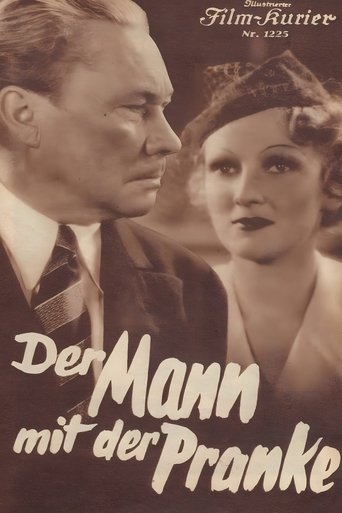 The Man with the Paw · 1935
The Man with the Paw
★ 7.01935
MovieCrime
"The Man with the Paw" is what people call the very successful banker Wiegant, who is desperately in love with Lena Kroning, the wife of the lawyer Hugo Kroning. So as to be nearer to her, Wiegant hires her husband to be the bank's lawyer. Shortly thereafter, Wiegant is suspected of having conned the Countess Steindorff during a telephone conversation; but he never did. During the relevant period of time, he was with Lena "having tea" (uh huh), which he conceals from the lawyer-husband, so as to protect Lena.
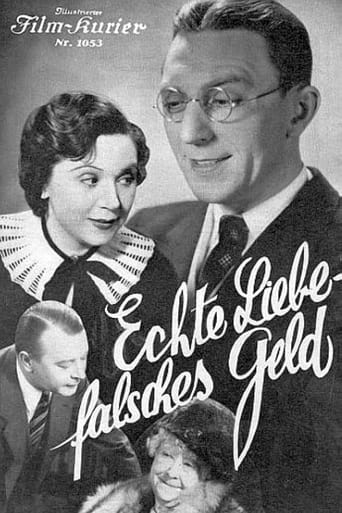 The Counterfeit Bill · 1935
The Counterfeit Bill
★ 10.01935
MovieComedy
An honest German cashier gets stuck with a fake note, part of a scheme by two crooks to pass bad money.