K
Acting
Karel Berman
Born April 14, 1919
Died August 11, 1995 · aged 76
No biography available.
Known For
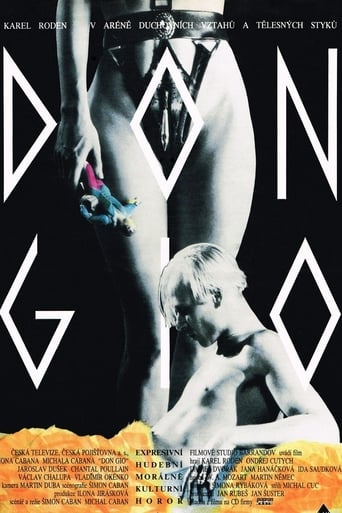 Don Gio · 1992
Don Gio
★ 7.01992
MovieMusicHorror
The full-length film which, though based on Mozart's opera Don Giovanni, is more about the complexity of the time and the world. We witness the creation of a modern production of Don Giovanni, reflecting the controversial present. Mozart's exciting music, uninhibited erotic, and the eternal struggle against evil which constitutes the energy of our existence.
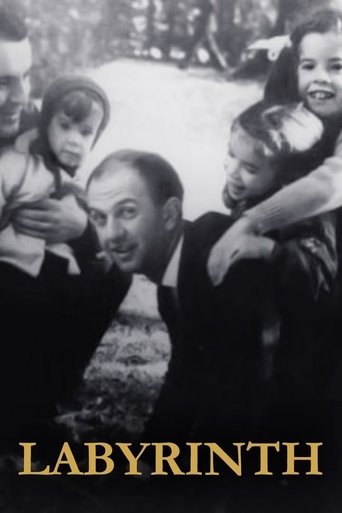 Labyrinth · 1991
Labyrinth
★ 8.51991
Movie
Film makes the creative process visible by letting its narrative flow in the mind of a foreign director who is researching a film about Franz Kafka in Prague. Based on the principle of dreams and free association, segments unfold that deal with the various points of view that Kafka's work, personality and fate offer. In the labyrinth of his mind, the fictional director projects himself into situations from the author's life, with Kafka himself as his guide. At the same time, he delves into the history of the persecution of the Jews and glimpses the monstrosity of the bureaucratic apparatus that Kafka anticipated but could not have foreseen the monstrous size and function it would grow to a few years after his death in the institutionalized genocide and overall machinery of Nazism.
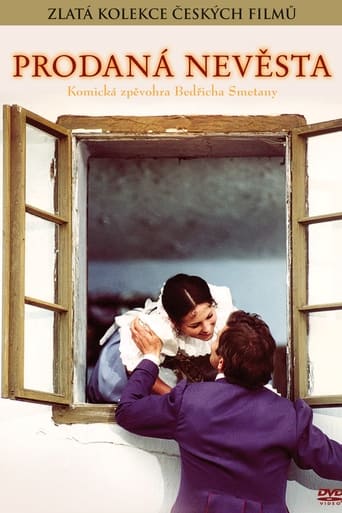 Prodaná nevěsta · 1976
Prodaná nevěsta
★ 9.01976
MovieMusic
Set in a South Bohemian village, this faithful film version of Smetana’s opera follows farmer Krušina’s plan to marry his daughter Mařenka to wealthy Vašek. Mařenka loves Jeník, a stranger. Through matchmaking schemer Kecal’s plots and revealed identities, true love triumphs in a festive village wedding.
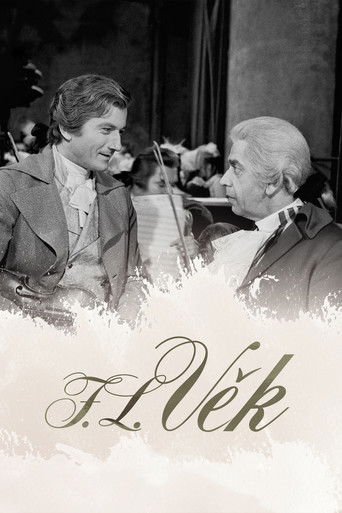 F. L. Věk · 1971
F. L. Věk
★ 7.01971
SeriesDrama
Filmography
Sort