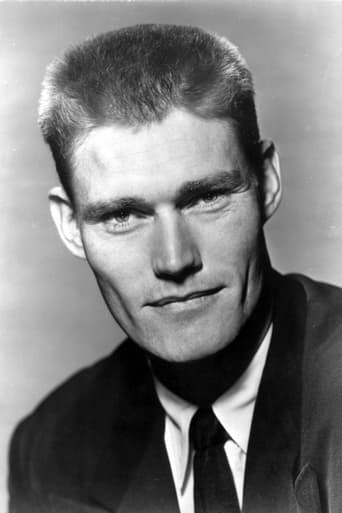
Chuck Connors

Acting

Chuck Connors

Born April 10, 1921 · Brooklyn, New York, U.S.

Died November 10, 1992 · aged 71

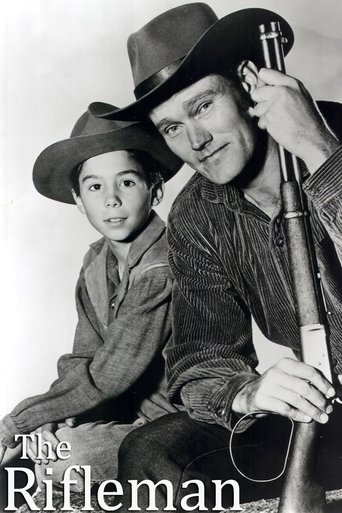
​Chuck Connors (April 10, 1921 – November 10, 1992) was an American actor, writer, and professional basketball and baseball player. His best known role from his forty-year film career was Lucas McCain in the 1960s ABC hit Western series The Rifleman. Description above from the Wikipedia article Chuck Connors, licensed under CC-BY-SA, full list of contributors on Wikipedia.

Known For
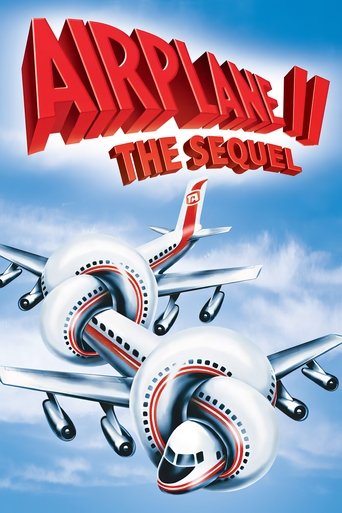
Airplane II: The SequelAirplane II: The Sequel · 1982
Airplane II: The Sequel
6.11982
MovieComedy
A faulty computer causes a passenger space shuttle to head straight for the sun, and man-with-a-past Ted Striker must save the day and get the shuttle back on track – again – all the while trying to patch up his relationship with Elaine.
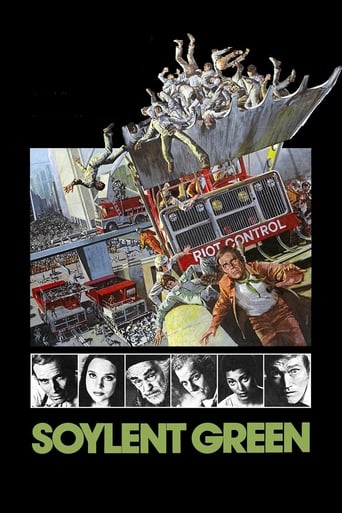
Soylent GreenSoylent Green · 1973
Soylent Green
6.91973
MovieScience FictionCrime
In the year 2022, overcrowding, pollution, and resource depletion have reduced society’s leaders to finding food for the teeming masses. The answer is Soylent Green.
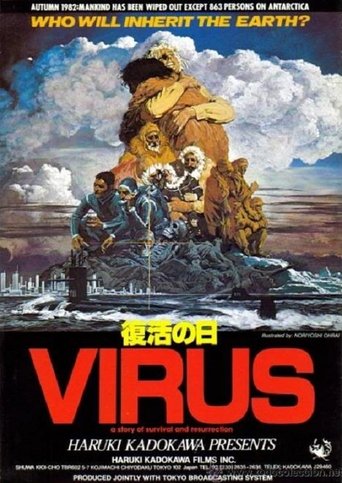
The Big CountryThe Big Country · 1958
The Big Country
7.61958
MovieDramaWestern
Retired wealthy sea captain Jim McKay arrives in the Old West, where he becomes embroiled in a feud between his future father-in-law, Major Terrill, and the rough and lawless Hannasseys over a valuable patch of land.
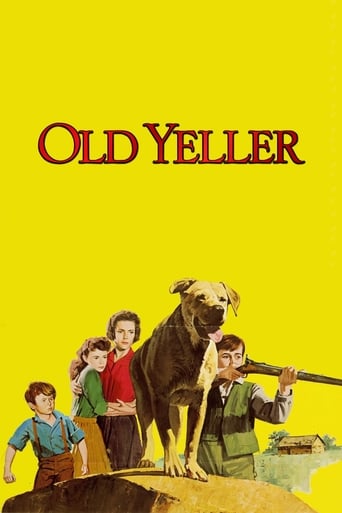
Old YellerOld Yeller · 1957
Old Yeller
6.91957
MovieAdventureDrama
Young Travis Coates is left to take care of the family ranch with his mother and younger brother while his father goes off on a cattle drive in the 1860s. When a yellow mongrel comes for an uninvited stay with the family, Travis reluctantly adopts the dog.
VirusVirus · 1980
Virus
6.31980
MovieHorrorScience Fiction
Scientists in Antarctica desperately try to find a cure to a military virus that was released in a plane crash and has wiped out the rest of the world.
BordelloBordello · 1981
Bordello
4.71981
MovieWesternAdventure
Minister with four virgin daughters inherits a bordello. The land contains a silver mine and the corrupt sheriff tries to force them to leave.
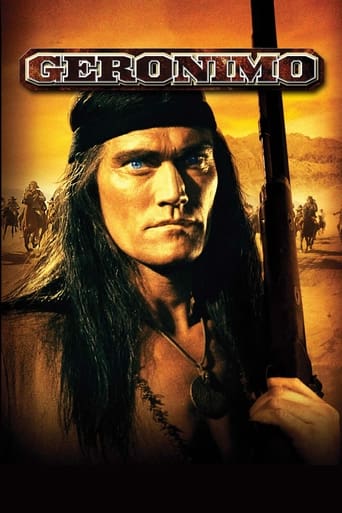
GeronimoGeronimo · 1962
Geronimo
5.51962
MovieWesternHistory
In 1883, the Apache Indians lead by Geronimo reluctantly surrender to the attacks of American and Mexican troops, in exchange for a territory and food for their warriors. Soon though, Geronimo escapes the camps and declares war against the Americans.
The Gambler Returns: The Luck of the DrawThe Gambler Returns: The Luck of the Draw · 1991
The Gambler Returns: The Luck of the Draw
4.81991
MovieWesternTV Movie
Hawkes, Jones and Cassidy are on their way to the biggest poker game in history. But a few folks want to see them fold before they even get there.

Filmography

Sort
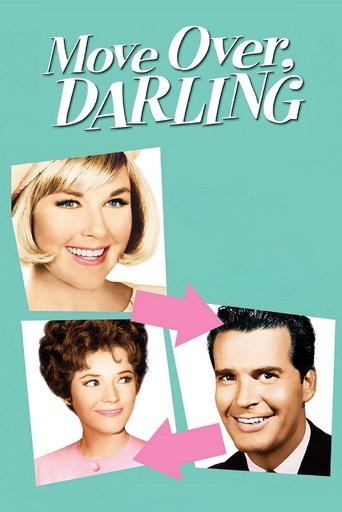
Move Over, DarlingMove Over, Darling · 1963
Move Over, Darling
6.71963
MovieComedyRomance
Three years into their loving marriage, with two infant daughters at home in Los Angeles, Nicholas Arden and Ellen Wagstaff Arden are on a plane that goes down in the South Pacific. Although most passengers manage to survive the incident, Ellen presumably perishes when swept off her lifeboat, her body never recovered. Fast forward five years. Nicholas, wanting to move on with his life, has Ellen declared legally dead. Part of that moving on includes getting remarried, this time to a young woman named Bianca Steele, who, for their honeymoon, he plans to take to the same Monterrey resort where he and Ellen spent their honeymoon. On that very same day, Ellen is dropped off in Los Angeles by the Navy, who rescued her from the South Pacific island where she was stranded for the past five years. She asks the Navy not to publicize her rescue nor notify Nicholas as she wants to do so herself.
Stephen Burkett

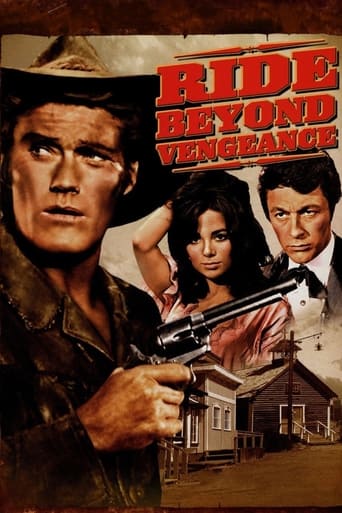
Ride Beyond VengeanceRide Beyond Vengeance · 1966
Ride Beyond Vengeance
6.01966
MovieWesternAction
Jonas Trapp falls in love with the beautiful Jessie, a wealthy girl out of his humble class. Against the wishes of her snobbish aunt, she marries him, later faking a pregnancy to win her aunt's consent. But Jonas tires of living off of his wife's family, and eventually deserts her to become a buffalo hunter. 11 years later, with his self-made fortune, he sets out to return home, only to be set upon by three sadistic marauders, who steal his money and leave him for dead. Rescued by a farmer who nurses him back to health, Jonas becomes consumed by the desire for revenge. As fate would have it, all three men live close to Jonas' former home. Matters quickly get worse when Jonas reunites with his wife, only to discover that she is now engaged to Renne.

Jonas Trapp

Matinee TheaterMatinee Theater · 1955
Matinee Theater
5.31955
SeriesDrama
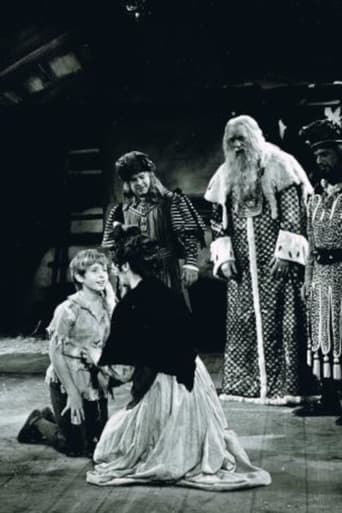
Matinee Theater is an American anthology series that aired on NBC during the Golden Age of Television, from 1955 to 1958. The series, which ran daily in the afternoon, was frequently live. It was produced by Albert McCleery, Darrell Ross, George Cahan and Frank Price with executive producer George Lowther. McCleery had previously produced the live series Cameo Theatre which introduced to television the concept of theater-in-the-round, TV plays staged with minimal sets. Jim Buckley of the Pewter Plough Playhouse recalled: When Al McCleery got back to the States, he originated a most ambitious theatrical TV series for NBC called Matinee Theater: to televise five different stage plays per week live, airing around noon in order to promote color TV to the American housewife as she labored over her ironing. Al was the producer. He hired five directors and five art directors. Richard Bennett, one of our first early presidents of the Pewter Plough Corporation, was one of the directors and I was one of the art directors and, as soon as we were through televising one play, we had lunch and then met to plan next week’s show. That was over 50 years ago, and I’m trying to think; I believe the TV art director is his own set decorator —yes, of course! It had to be, since one of McCleery’s chief claims to favor with the producers was his elimination of the setting per se and simply decorating the scene with a minimum of props. It took a bit of ingenuity.
Four Star PlayhouseFour Star Playhouse · 1952
Four Star Playhouse
6.81952
SeriesDramaComedy
Four Star Playhouse is an American television anthology series that ran from 1952 to 1956, sponsored in its first bi-weekly season by The Singer Company; Bristol-Myers became an alternate sponsor when it became a weekly series in the fall of 1953. The original premise was that Charles Boyer, Ida Lupino, David Niven, and Dick Powell would take turns starring in episodes. However, several other performers took the lead from time to time, including Ronald Colman and Joan Fontaine. Blake Edwards was among the writers and directors who contributed to the series. Edwards created the recurring character of illegal gambling house operator Willie Dante for Dick Powell to play on this series. The character was later revamped and spun off in his own series starring Howard Duff, then-husband of Lupino. The pilot for Meet McGraw, starring Frank Lovejoy, aired here, as did another episode in which Lovejoy recreated his role of Chicago newspaper reporter Randy Stone, from the radio drama Nightbeat.

Mervyn

Cavalcade of AmericaCavalcade of America · 1952
Cavalcade of America
4.61952
SeriesDrama
Cavalcade of America is an anthology drama series that was sponsored by the DuPont Company, although it occasionally presented a musical, such as an adaptation of Show Boat, and condensed biographies of popular composers. It was initially broadcast on radio from 1935 to 1953, and later on television from 1952 to 1957. Originally on CBS, the series pioneered the use of anthology drama for company audio advertising. Cavalcade of America documented historical events using stories of individual courage, initiative and achievement, often with feel-good dramatizations of the human spirit's triumph against all odds. This was consistent with DuPont's overall conservative philosophy and legacy as an American company dating back to 1802. The company's motto, "Maker of better things for better living through chemistry," was read at the beginning of each program, and the dramas emphasized humanitarian progress, particularly improvements in the lives of women, often through technological innovation.
Harry