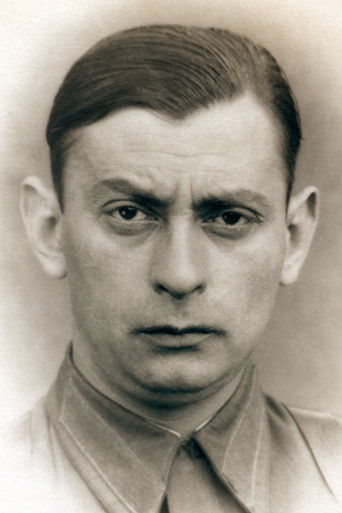
Directing
Raphail Gikov
Born September 2, 1905 · Kharkov, Russian Empire [now Kharkiv, Ukraine]
Died July 17, 1946 · aged 40
No biography available.
Known For
 Defeat of Militaristic Japan · 1946
Defeat of Militaristic Japan
1946
MovieDocumentary
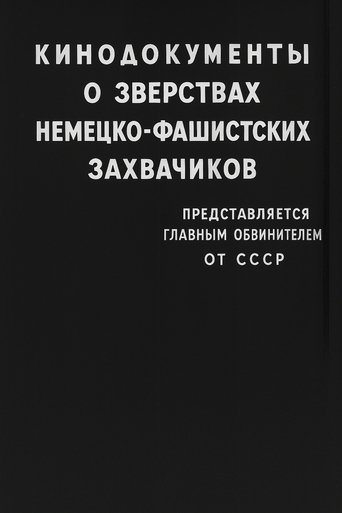 Film Documents of the Atrocities of the German Fascist Invaders · 1946
Film Documents of the Atrocities of the German Fascist Invaders
1946
MovieDocumentary
This Soviet-made film was screened on February 19, 1946 on the 62nd day of the Nuremberg Trial and submitted as evidence relevant to the indictment for "crimes against humanity." The one-hour film with voiceover commentary shows visual evidence of the extermination camps of Auschwitz and Majdanek and appeals to spectators' emotions by emphasizing individual victims. The central argument of the film is that the Germans were the executioners of peaceful Soviet citizens. At the time, it made a very strong impression on both the accused and press. The film is a re-edited compilation of footage collected by the Soviet film team over four years (primarily used for propagandistic ends in wartime Soviet newsreels and documentaries). It was prepared in emergency by the Soviet prosecution team and minister of cinema following the projection of Nazi Concentration Camps presented by the Americans on November 29, 1945.
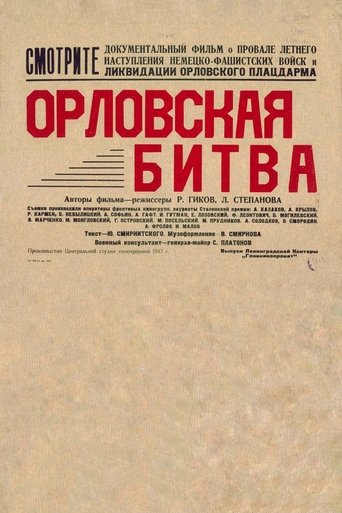 Oryol Battle · 1943
Oryol Battle
1943
MovieDocumentary
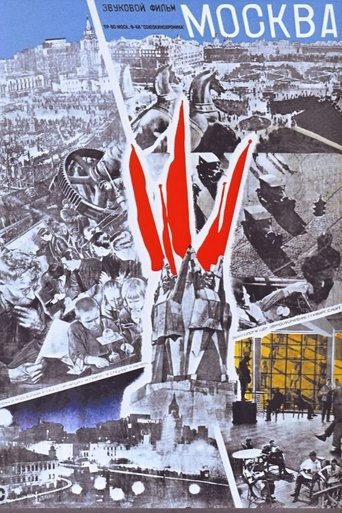 Moscow · 1933
Moscow
1933
MovieDocumentary
A documentary almanac about the life of the Soviet capital during the period of the extensive construction of socialism. The film shows the transformation of the external appearance of Moscow, the construction of new avenues, metro lines, residential buildings for workers, and the formation of a new way of life for a worker. There are also shots in the film that depict the leaders of the working proletariat: vols. I. Stalin, S. Kirov, S. Ordzhonikidze and others.
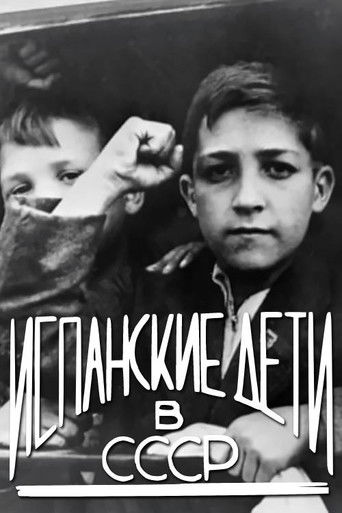 The Spanish Children of Russia · 1937
The Spanish Children of Russia
1937
MovieDocumentary
About 3000 children which were evacuated to the Soviet Union by the authorities of the Second Spanish Republic during the Spanish Civil War.
Filmography
Sort
Defeat of Militaristic Japan · 1946Defeat of Militaristic Japan
1946
MovieDocumentary
Additional Photography