Acting
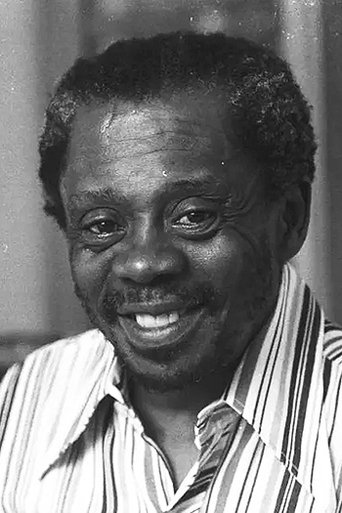
Grande Otelo
Born October 18, 1915 · Ubêrlandia, MInas Gerais, Brazil
Died November 26, 1993 · aged 78
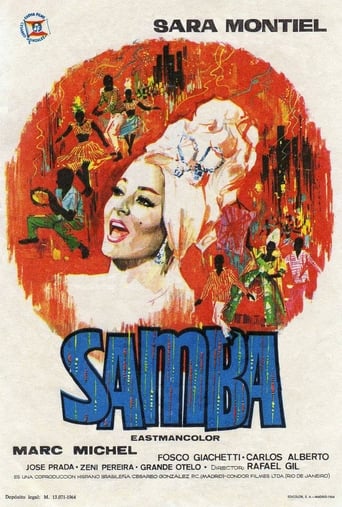
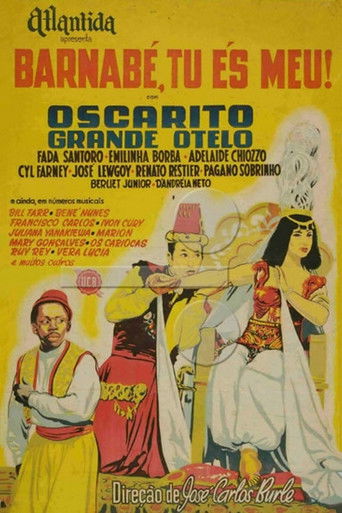
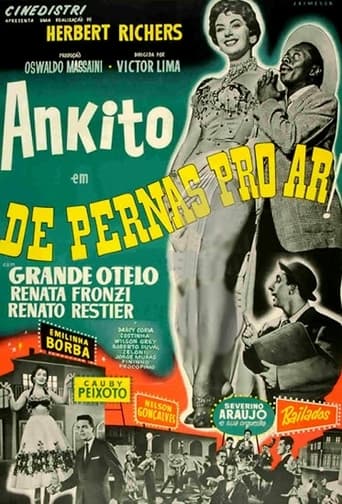
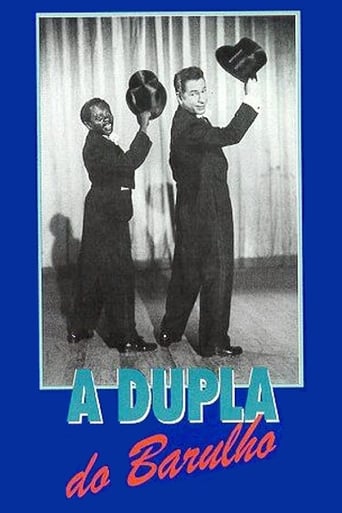
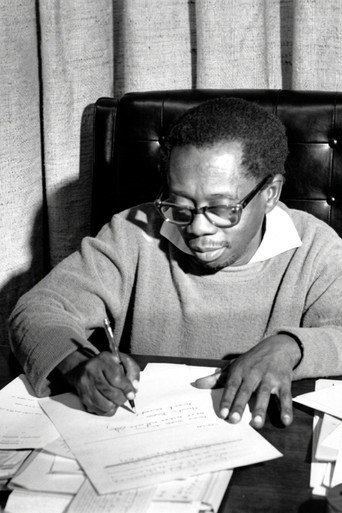
Grande Otelo, pseudonym of Sebastião Bernardes de Souza Prata OMC (Uberlândia, October 18, 1915 – Roissy-en-France, November 26, 1993), was a Brazilian actor, comedian, singer, producer and composer. He was an artist in Rio's casinos and in the so-called revue theater, he participated in several successful Brazilian films, including the famous chanchadas in the 1940s and 1950s, which he starred in…
Known For
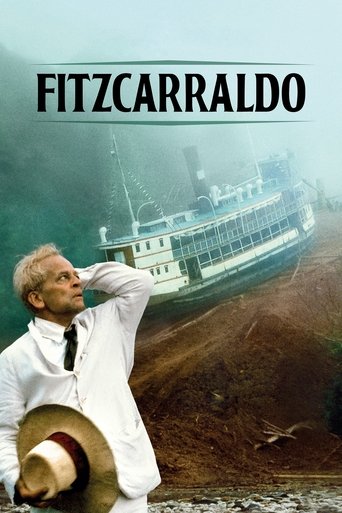 Fitzcarraldo · 1982
Fitzcarraldo
★ 7.61982
MovieDramaAdventure
Fitzcarraldo is a dreamer who plans to build an opera house in Iquitos, in the Peruvian Amazon, so, in order to finance his project, he embarks on an epic adventure to collect rubber, a very profitable product, in a remote and unexplored region of the rainforest.
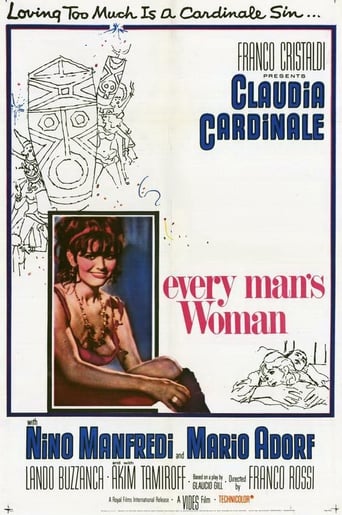 A Rose for Everyone · 1967
A Rose for Everyone
★ 6.01967
MovieRomanceComedy
A vivacious woman tries to please all of her lovers but finds she can't handle the jealousy that erupts among them.
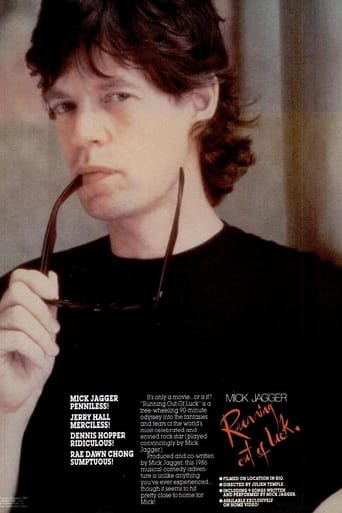 Running Out of Luck · 1987
Running Out of Luck
★ 5.61987
MovieMusicAdventure
A rock singer goes to Brazil to shoot a video, but winds up getting kidnapped and enduring a number of seemingly bizarre and hilarious events.
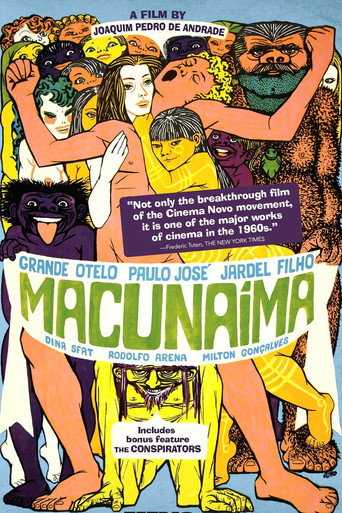 Macunaima · 1969
Macunaima
★ 6.91969
MovieComedyFantasy
Born a fully grown black man in a village in the Brazilian jungle, Macunaíma later magically transforms into a white man before making an adventure-filled trip to the city of São Paulo. Once there, he becomes something of a dandy, falling in love with Ci, a revolutionary who dies in an accidental bombing. After robbing a ruthless industrialist, Macunaima returns to his village where he finds his newly acquired knowledge and possessions of little use.
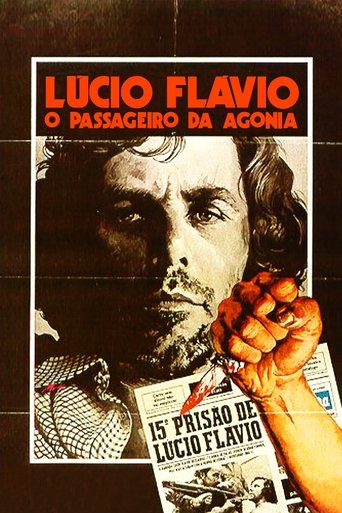 Lucio Flavio · 1977
Lucio Flavio
★ 7.11977
MovieCrimeDrama
Story of Brazilian bank-robber Lúcio Flávio, who fascinated some people in Rio de Janeiro during the 1970s for his bold robberies and spectacular escapes, and also because he was thought to be intelligent and "politically aware". Before dying, he disclosed a network of corruption in Brazilian Police, and its involvement with the infamous "Death Squad" of the time, a group of policemen who went about killing criminals without giving them a fair trial.
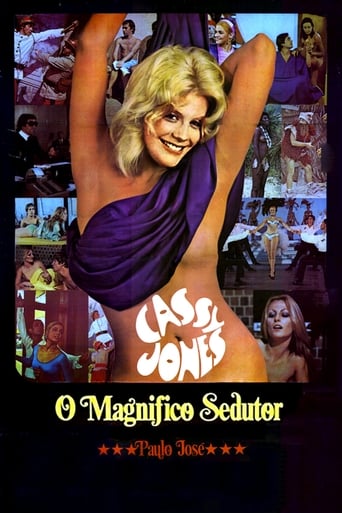 Cassy Jones, the Magnificent Seducer · 1972
Cassy Jones, the Magnificent Seducer
★ 5.71972
MovieComedy
A tireless and incorrigible seducer looks for - and seems to find - the woman of his life.
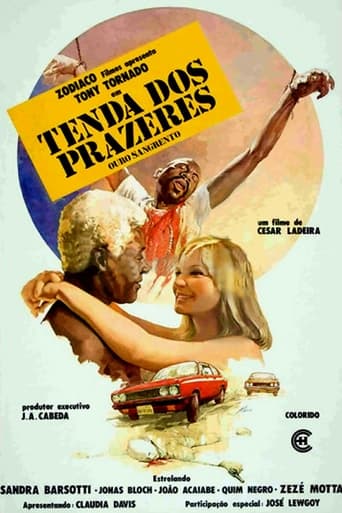 Bloody Gold · 1978
Bloody Gold
★ 10.01978
MovieCrime
The son of a millionaire who owns gold mines in Transopia, Africa, Antoine Leblanc, who lives in a mansion in Rio, one day receives a letter from his father asking him for help against the gold smugglers from Transopia to Brazil.
 Welles' Language · 1990
Welles' Language
★ 7.81990
MovieDocumentary
Orson Welles acted in Brazilian culture and music by deeply researching Brazil's historical geology, consciously completing a legendary cultural mission. Although being turned down by Hollywood producers, he developed a triumphantly accomplished mission in the language domain - three friends of Welles' testified his love for cinema, his passion for Brazilian music and people and his obstinate endurance against formidable pressures coming from inside and outside Hollywood regarding his unfinished "It's All True".
Filmography
Sort



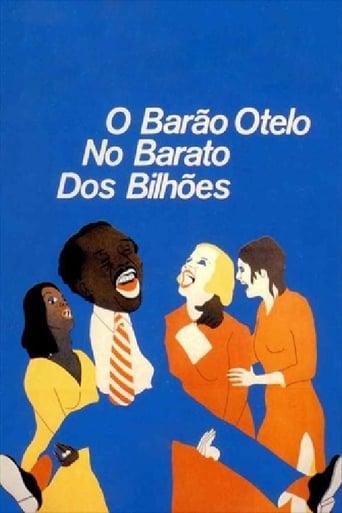 O Barão Otelo no Barato dos Bilhões · 1971
O Barão Otelo no Barato dos Bilhões
★ 5.71971
MovieFantasyComedy
João-Sem-Direção knows Carvalhaes that proposes a blow to him. John does not accept the proposal, but ends up earning a hefty cash in the game.
João Otelo dos Anzóis Carapuça













 Bairro Feliz · 1965
Bairro Feliz
1965
SeriesComedy
Compositor de Escola de Samba