Acting
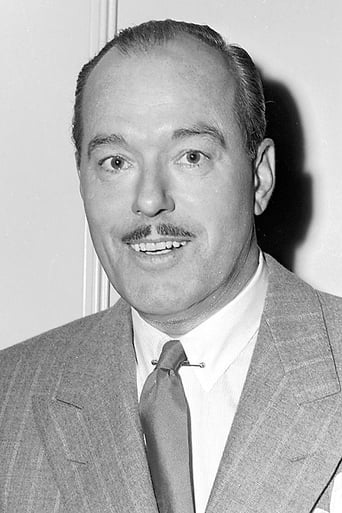
Philip Ober
Born March 23, 1902 · Fort Payne, Alabama, USA
Died September 13, 1982 · aged 80
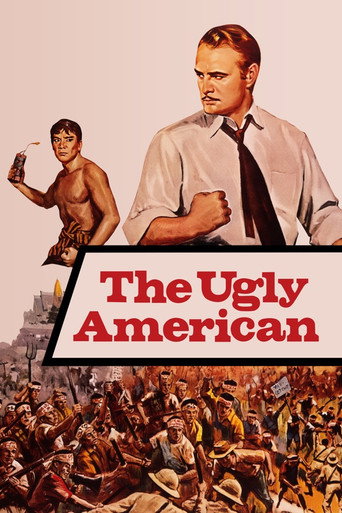
Philip Nott Ober (March 23, 1902 – September 13, 1982) was an American screen and stage actor. He later retired from acting to work as a diplomat. Ober is best remembered for his roles in the films From Here to Eternity (1953) and North by Northwest (1959). His other notable credits include The Magnificent Yankee (1950), Broken Lance (1954), Torpedo Run (1958) and The Ugly American (1963).
Known For
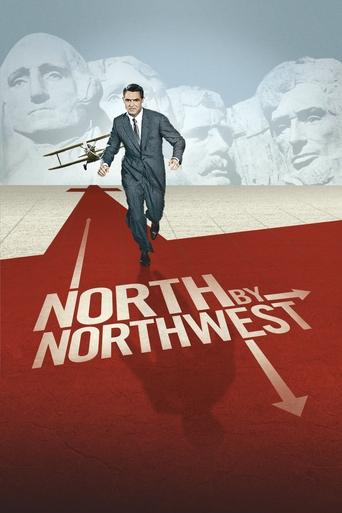 North by Northwest · 1959
North by Northwest
★ 8.01959
MovieThrillerAdventure
Advertising man Roger Thornhill is mistaken for a spy, triggering a deadly cross-country chase.
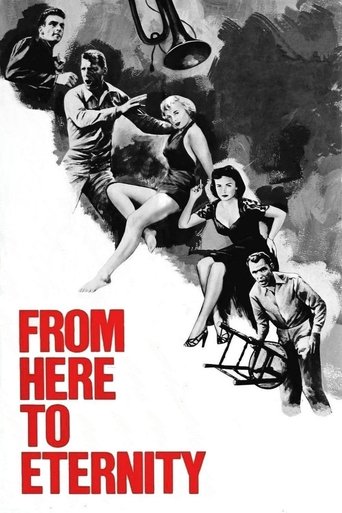 From Here to Eternity · 1953
From Here to Eternity
★ 7.31953
MovieWarRomance
In 1941 Hawaii, a private is cruelly punished for not boxing on his unit's team, while his captain's wife and second in command are falling in love.
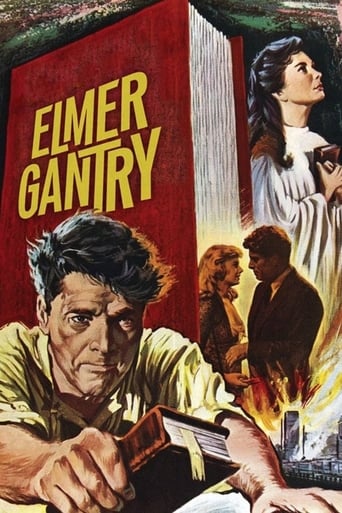 Elmer Gantry · 1960
Elmer Gantry
★ 7.31960
MovieDrama
A charismatic charlatan begins a business — and eventually romantic — relationship with a roadside evangelist to sell religion to 1920s America. Based on Sinclair Lewis' novel of the same name.
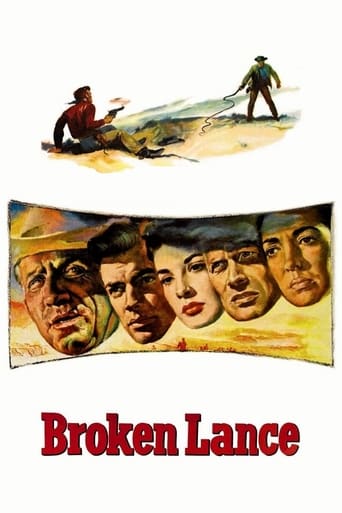 Broken Lance · 1954
Broken Lance
★ 6.51954
MovieAdventureDrama
Tensions erupt within an Arizona cattle baron's household when his three sons vie for control of the ranch.
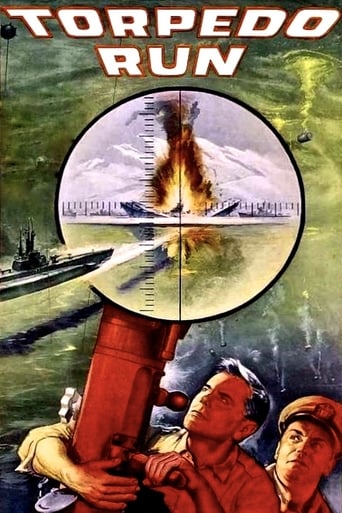 Torpedo Run · 1958
Torpedo Run
★ 6.11958
MovieWarDrama
A submarine commander is on a relentless pursuit of a Japanese aircraft carrier in the South Seas during World War II.
 The Unknown Man · 1951
The Unknown Man
★ 5.11951
MovieCrimeDrama
A scrupulously honest lawyer discovers that the client he's gotten off was really guilty.
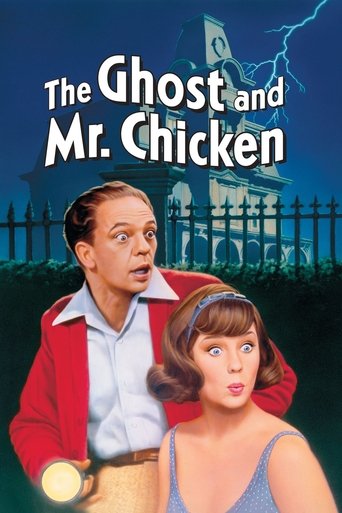 The Ghost and Mr. Chicken · 1966
The Ghost and Mr. Chicken
★ 6.71966
MovieComedyFamily
Luther Heggs, a typesetter for the town newspaper, pitches an idea for a story about a local haunted house where a famous murder/suicide occurred 20 years earlier. After the editor assigns Luther to spend one night alone in the mansion, Heggs has a number of supernatural encounters and writes a front page story that makes him a hometown hero...until the nephew of the deceased sues him for libel.
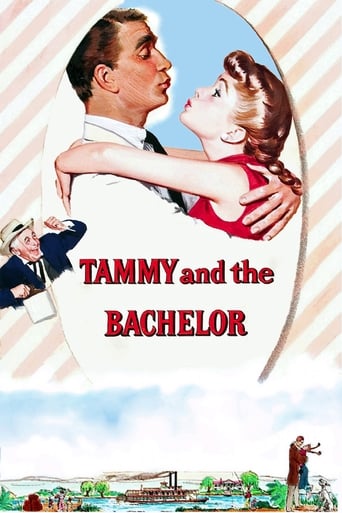 Tammy and the Bachelor · 1957
Tammy and the Bachelor
★ 7.01957
MovieComedyRomance
An unsophisticated young woman from the Mississippi swamps falls in love with an unconventional southern gentleman.
Filmography
Sort