K
Acting
Koichi Tamano
No biography available.
Known For
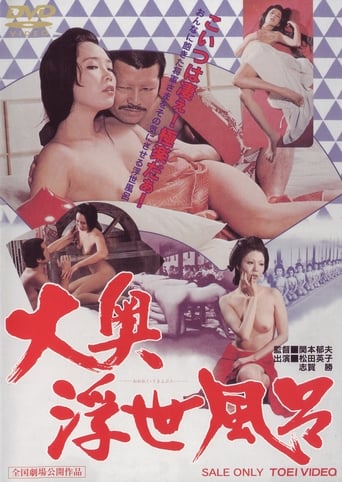 The General and His Empire of Joy · 1977
The General and His Empire of Joy
★ 4.61977
MovieDrama
Zenjiro (Masaru Shiga) is a lowlife criminal, roaming the country with his merry band of crooks, gamblers and rapists. When he gets done with his latest escapade of banging a samurai's wife, he finds that his love Okoyo (Eiko Matsuda), has managed to be recruited as one of Shogun Tokugawa Ietsuna's (Kantaro Suga) concubines. While attempting to win her back, Zenjiro becomes involved in increasingly murderous palace intrigues.
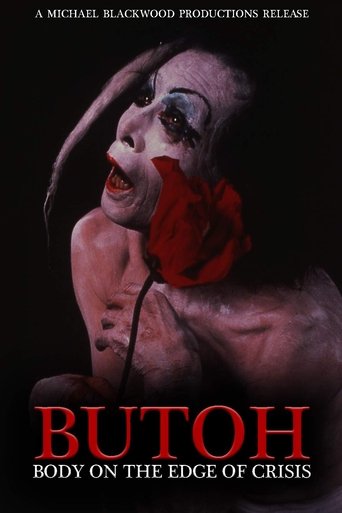 Butoh: Body on the Edge of Crisis · 1990
Butoh: Body on the Edge of Crisis
★ 8.01990
MovieDocumentary
"Butoh: Body on the Edge of Crisis" is a visually striking film portrait shot on location in Japan with the participation of the major Butoh choreographers and their companies. Although Butoh is often viewed as Japan's equivalent of modern dance, in actuality it has little to do with the rational principles of modernism. Butoh is a theater of improvisation which places the personal experiences of the dancer on center-stage. By reestablishing the ancient Japanese connection of dance, music, and masks, and by recalling the Buddhist death dances of rural Japan, Butoh incorporates much traditional theater. At the same time, it is a movement of resistance against the abandonment of traditional culture to a highly organized consumer-oriented society.
 A Summer Storm: Butoh of Dark Spirit School · 2003
A Summer Storm: Butoh of Dark Spirit School
2003
MovieDocumentary
Ankoku Butoh is a style of avant-garde dance that established itself in the counter culture experimental arts scene of post WWII Japan. The dance form is thought to have been founded by Tatsumi Hijikata, who both created and performed in butoh pieces from the late 1950’s - through the early 1970’s. In butoh, the style of movement is extremely stylized and deliberate, vacillating between slow and sharp, expressing feelings of dread, sexualization, violence, calmness, birth and “creatureness” among other things. This performance of Summer Storm was originally recorded in 1973 at Westside Auditorium, Kyoto University, Japan, and was Hijikata’s last public performance before his death in 1986 with Butoh of Dark Spirit School. Video version produced in 2003.
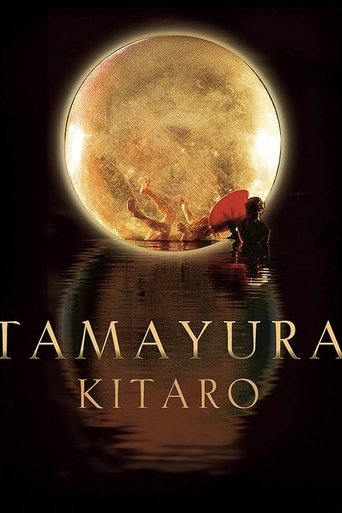 Kitaro: Tamayura · 2000
Kitaro: Tamayura
2000
Movie
Tamayura combines Kitaro's new-age sound with vibrantly colorful visuals performed by Kochi Tamano and Harupin-Ha Butoh Dance Theater. Impressive choreography propels the bizarre, dreamlike sequences that are sure to delight performance-art enthusiasts. Songs include "Magma," "Mercury," "Nageki," "Beam Wave," "Sitara" and "Uranus." Forget candles and a bath, this mellow music is all that's needed to help you relax.
Filmography
Sort