S
Acting
Shojiro Ichikawa
No biography available.
Known For
 Blood Spilled at Takadanobaba · 1937
Blood Spilled at Takadanobaba
★ 7.01937
MovieActionComedy
The tale of Nakayama Yasubei’s duel is famous, even if he in reality probably did not cut down 18 opponents. The story has been related in film, rakugo, kodan and on stage many times, in part because Nakayama later joined the famous 47 Ronin (Chushingura) as Horibe Yasubei. But Makino and Inagaki’s version gives no hint of this more serious future, playing up the thrills and the comedy with Bando’s bravura performance. The multiple pans of Yasubei running to the duel are an exemplar of the experimental flourishes of 1930s Japanese cinema and the final duel, performed virtually like a dance number, is a marker of Makino’s love of rhythm and one of the best sword fights in Japanese film history. The film was originally released under the title Chikemuri Takadanoba (Bloody Takadanobaba) with a length of 57 minutes, but suffered some cuts and a title change when it was re-released in 1952.
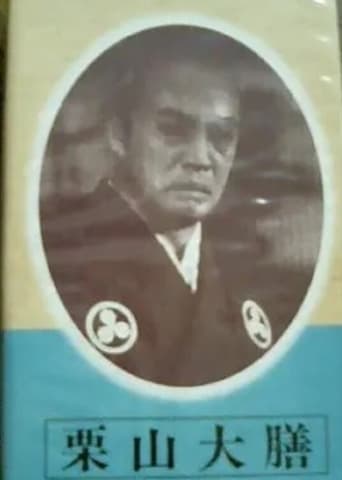 Kuriyama Daizen · 1936
Kuriyama Daizen
1936
MovieHistory
Prewar jidaigeki starring Denjiro Okochi
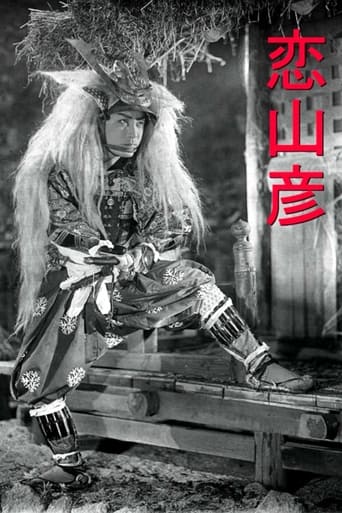 Echo of Love · 1937
Echo of Love
1937
MovieDrama
A man is brutally murdered and his famed shamisen (a three-stringed musical instrument) called the "Yamabiko" stolen. Prince Kogenta swears to avenge his father-in-law's death and retrieve the family heirloom.
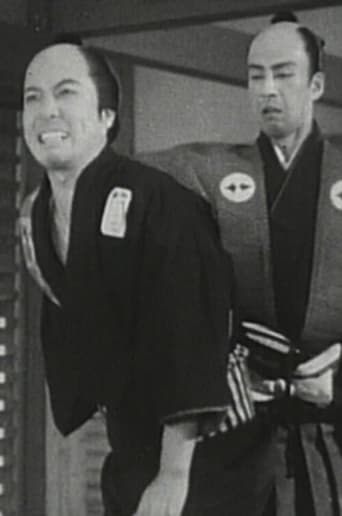 Devoted Servant Naosuke · 1939
Devoted Servant Naosuke
1939
MovieDrama
Naosuke, a servant of Okajima Yasoemon, devoted himself to his master. One day, his master Okajima Yasoemon, lost his face in front of people. It was a revenge by Oono, a karo (minister) who lost his chance to earn money by selling a fake antique to the lord. Okajima told the lord it was fake. Okajima endured Oono's humiliation. But, his servant Naosuke, could not. But what could he do? Oono is superior of his master. Naosuke would not hesitate to lay down his life for his master. But killing Oono would ruin his master. He wanted to clear his master's disgrace. What to do?
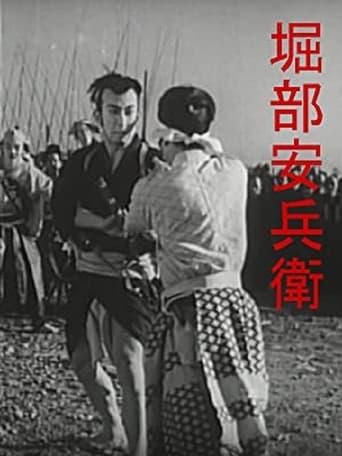 Yasubei Horibe · 1936
Yasubei Horibe
1936
MovieAction
Pre-war jidaigeki film from 1936, produced by Uzumasa Hassei Eiga studios
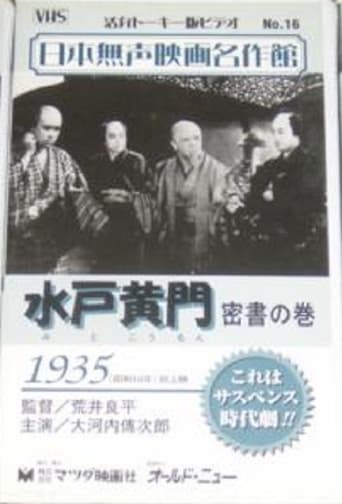 Mito Komon - The Secret Letter · 1935
Mito Komon - The Secret Letter
1935
Movie
Adaptation of the novel by Osaragi Jirō. Again scripted by the legendary Yamanaka Sadao
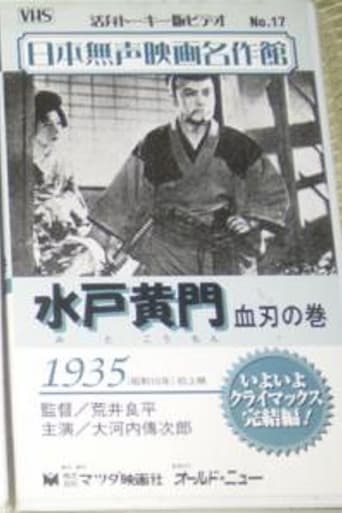 Mito Komon - The Bloody Swords · 1935
Mito Komon - The Bloody Swords
1935
Movie
Final installment of the Okochi / Arai / Yamanaka Mito Komon series and just as good as the others (a good deal longer, as well). Again, this film like the other two is similar in tone and spirit to the Yamanaka Tange Sazen film and would appeal to fans of that film.
 Miyamoto Musashi - Dai-ichi-bu: Kusawake no hitobito - Dai-ni-bu: Eitatsu no mon · 1940
Miyamoto Musashi - Dai-ichi-bu: Kusawake no hitobito - Dai-ni-bu: Eitatsu no mon
★ 7.01940
MovieWarDrama
Second part of director Hiroshi Inagaki's 1940 adaptation of the story of Musashi Miyamoto.