L
Acting
Ladislav Večeřa
Born May 20, 1929
Died November 5, 1977 · aged 48
No biography available.
Known For
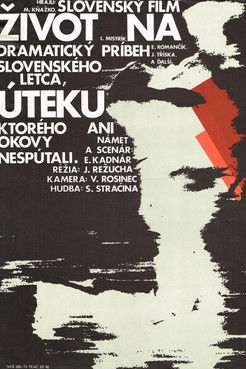 Život na úteku · 1976
Život na úteku
★ 7.01976
MovieDramaWar
In Slovakia, they often and gladly honored those soldiers who refused to serve the fascist regime and stood against it. Lieutenant Kukorelli also rejected the tempting career of a pilot, instead helping the resistance fighters and later participating in the Slovak National Uprising.
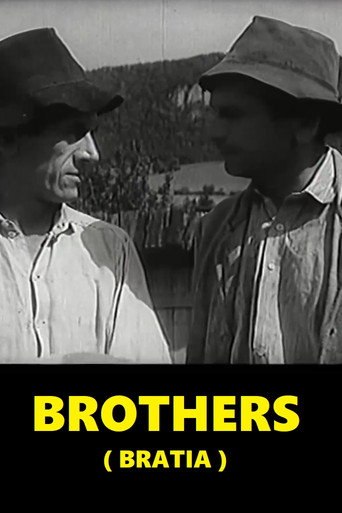 Brothers · 1962
Brothers
★ 9.01962
MovieDrama
A bricklayer, Jozef Haviar, decides to live with his family on the small farm of his father through the difficult years of the economic crisis. But on his return to his father's house he gets into a conflict with his brother. The life-and-death conflict between the two brothers documents the difficult situation of Slovak country life in the 1930s, the time of economic depression.
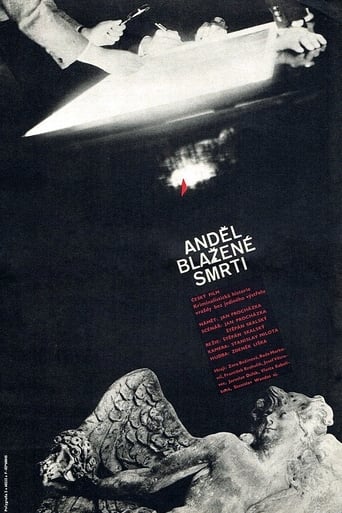 The Angel of Blissful Death · 1966
The Angel of Blissful Death
★ 9.01966
MovieDramaCrime
Czechoslovak counter-espionage intercepts a coded message from the West German secret service ordering death for an unknown person on Czech territory.
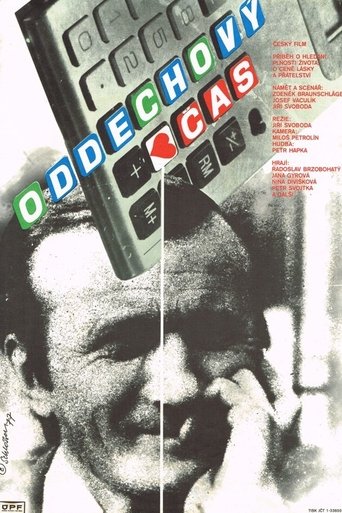 Oddechový čas · 1978
Oddechový čas
★ 7.01978
MovieDrama
The drama of a man for whom work has become the only meaning of life. His cold and impersonal manner arouses the disapproval of his colleagues and family members and leads to alienation. Eventually, he realizes the need for "time out" to reflect on his own life...
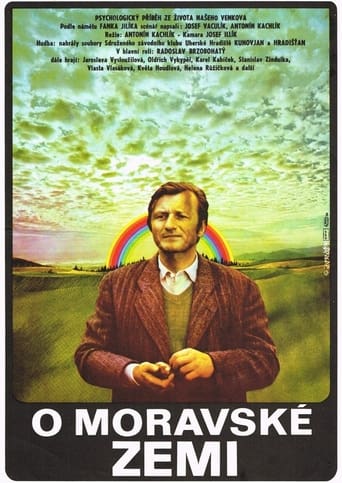 The Moravian Land · 1978
The Moravian Land
★ 7.01978
MovieDrama
The reason for making this film is clear: it was to cover up Vojtěch Jasný's famous chronicle "All the Good Natives", an account of the tragic consequences of forced collectivisation. The pro-regime director Antonín Kachlík also focuses on the socialisation of the Moravian village, accompanied by mistakes and coercion, but in his optimistic view he emphasises the hopeful prospects leading to a happy future. Although the united village lands were born in pain, they will serve for the benefit of all the working people... As with Jasný, Radek Brzobohatý embodies the stubborn peasant, who is only slowly acknowledging the benefits of communal farming. However, unlike the poetic exuberance and pithiness of Jasný's chronicle, here we encounter a vicious posturing.
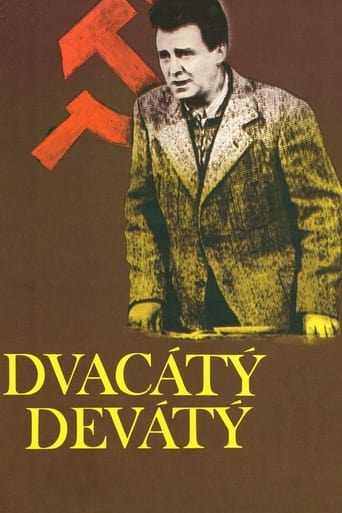 Dvacátý devátý · 1975
Dvacátý devátý
★ 6.01975
MovieHistoryDrama
In the era of normalisation, a number of (pseudo)historical films were made, even described as reconstructions, which glorified the world-building mission of the Communist Party and attributed to it exclusively humanitarian intentions ("Days of Betrayal", "Sokolovo", "Liberation of Prague", "The Victorious People"). In 1929, when its fifth congress met, Klement Gottwald, who had taken the line of the Russian Bolsheviks, took over the leadership of the Communists...
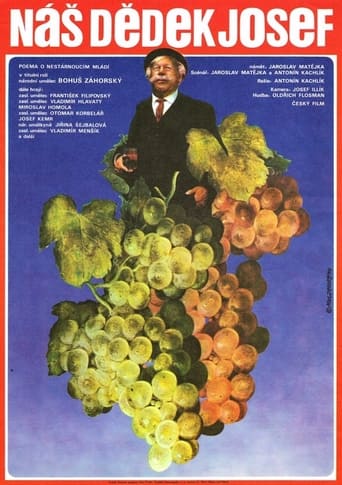 Náš dědek Josef · 1977
Náš dědek Josef
★ 6.51977
MovieComedy
Set in a 1950s Moravian wine village, an elderly Josef, guided by his quirky life philosophy and humor, recalls key moments from his past. Across nine seasonal vignettes filled with local folklore and customs, he and his fellow elders remain fully engaged in the joys and trials of village life.
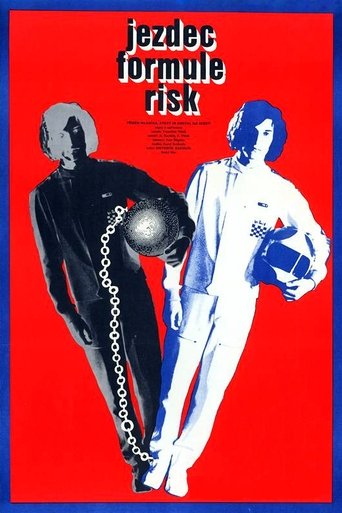 Jezdec formule risk · 1973
Jezdec formule risk
★ 10.01973
MovieDrama
The story of a juvenile delinquent who, despite society's efforts to reform him, irrevocably ruined his life.
Filmography
Sort