Acting
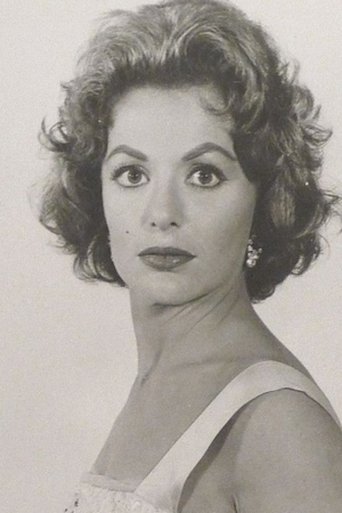
Rebecca Welles
Born February 5, 1928 · Philadelphia, Pennsylvania, USA
Died February 13, 2017 · aged 89
No biography available.
Known For
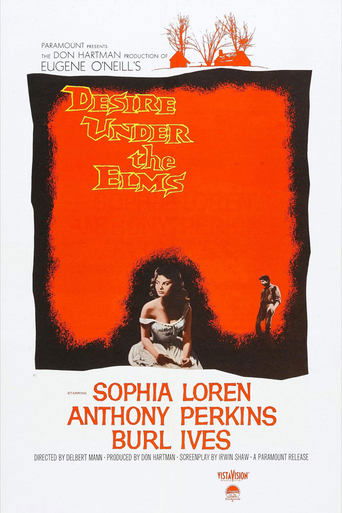 Desire Under the Elms · 1958
Desire Under the Elms
★ 6.81958
MovieDramaRomance
Ephraim Cabot is an old man of amazing vitality who loves his New England farm with a greedy passion. Hating him, and sharing his greed, are the sons of two wives Cabot has overworked into early graves. Most bitter is Eben, whose mother had owned most of the farm, and who feels who should be sole heir. When the old man brings home a new wife, Anna, she becomes a fierce contender to inherit the farm. Two of the sons leave when Eben gives them the fare in return for their shares of the farm. Meanwhile, Anna tries to cause some sparks by rubbing up against Eben.
 Juvenile Jungle · 1958
Juvenile Jungle
★ 7.41958
MovieActionAdventure
Planned kidnapping goes awry when gang leader falls for the victim.
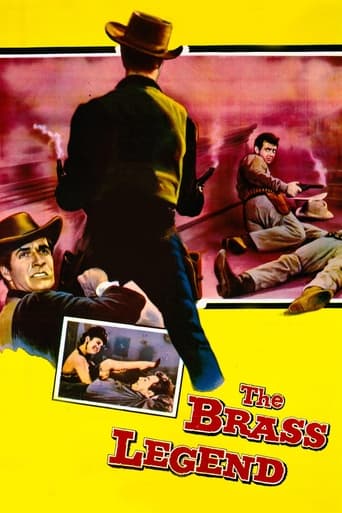 The Brass Legend · 1956
The Brass Legend
★ 6.31956
MovieWesternAction
During a ride with his new pony Sinoya, the young Clay Gibson by chance finds the secret housing of the multiple murderer Tris Hatten. He reports immediately to Sheriff Adams, who strongly recommends him not to tell anybody about it. Unfortunately Clay talks to his father nevertheless. He believes Adams just wanted fame and reward for himself and accuses him in the newspaper. Thereby he endangers his son, who's now targeted by a killer which Tris' girlfriend Winnie hired for revenge. Written by Tom Zoerner
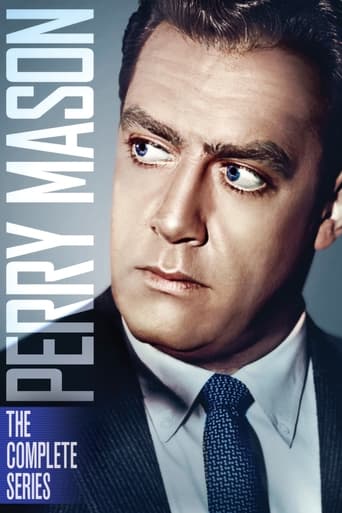 Perry Mason · 1957
Perry Mason
★ 7.71957
SeriesMysteryDrama
The cases of master criminal defense attorney Perry Mason and his staff who handled the most difficult of cases in the aid of the innocent.
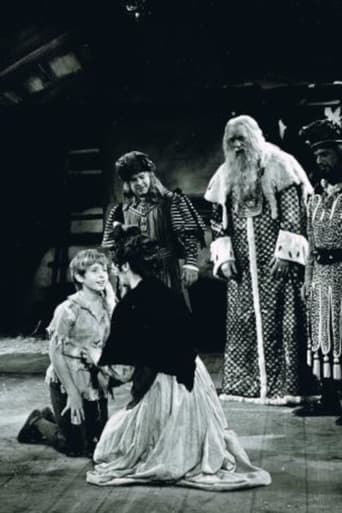 Matinee Theater · 1955
Matinee Theater
★ 5.31955
SeriesDrama
Matinee Theater is an American anthology series that aired on NBC during the Golden Age of Television, from 1955 to 1958. The series, which ran daily in the afternoon, was frequently live. It was produced by Albert McCleery, Darrell Ross, George Cahan and Frank Price with executive producer George Lowther. McCleery had previously produced the live series Cameo Theatre which introduced to television the concept of theater-in-the-round, TV plays staged with minimal sets.
Jim Buckley of the Pewter Plough Playhouse recalled:
When Al McCleery got back to the States, he originated a most ambitious theatrical TV series for NBC called Matinee Theater: to televise five different stage plays per week live, airing around noon in order to promote color TV to the American housewife as she labored over her ironing. Al was the producer. He hired five directors and five art directors. Richard Bennett, one of our first early presidents of the Pewter Plough Corporation, was one of the directors and I was one of the art directors and, as soon as we were through televising one play, we had lunch and then met to plan next week’s show. That was over 50 years ago, and I’m trying to think; I believe the TV art director is his own set decorator —yes, of course! It had to be, since one of McCleery’s chief claims to favor with the producers was his elimination of the setting per se and simply decorating the scene with a minimum of props. It took a bit of ingenuity.
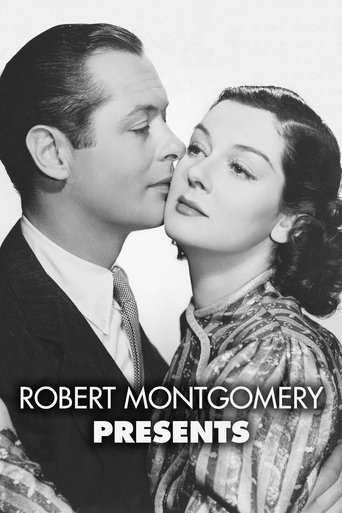 Robert Montgomery Presents · 1950
Robert Montgomery Presents
★ 6.01950
SeriesDrama
Robert Montgomery Presents is an American dramatic television series which was produced by NBC from January 30, 1950 until June 24, 1957. The live show had several sponsors during its seven-year run, and the title was altered to feature the sponsor, usually Lucky Strike cigarettes, for example, Robert Montgomery Presents Your Lucky Strike Theater, ....The Johnson's Wax Program, and so on.
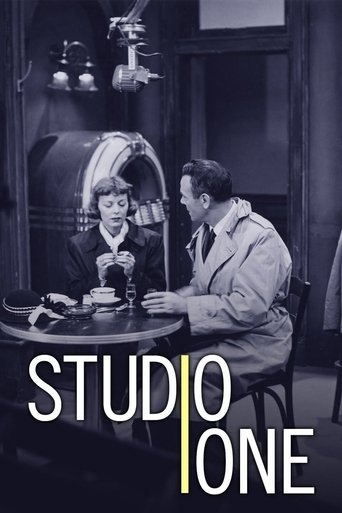 Studio One · 1948
Studio One
★ 5.41948
SeriesDrama
An American radio–television anthology series, created in 1947 by Canadian director Fletcher Markle, who came to CBS from the CBC. Studio One, presented by Westinghouse, was one of the first of the anthology TV programs. The episodes were often abridged remakes of movies from years gone by and many future well-known television and movie actors appeared in the productions.
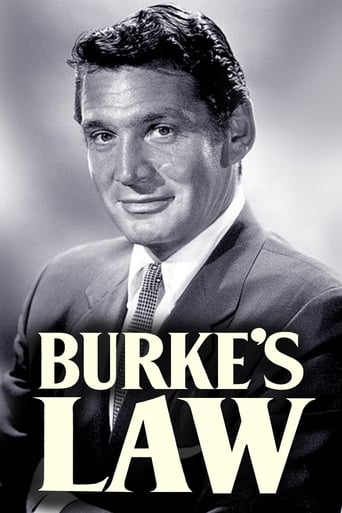 Burke's Law · 1963
Burke's Law
★ 6.21963
SeriesDrama
Burke's Law is an American detective series that ran on ABC from 1963 to 1965 and was revived on CBS in the 1990s. The show starred Gene Barry as Amos Burke, millionaire captain of Los Angeles police homicide division, who was chauffeured around to solve crimes in his Rolls-Royce Silver Cloud II.
Filmography
Sort