Directing
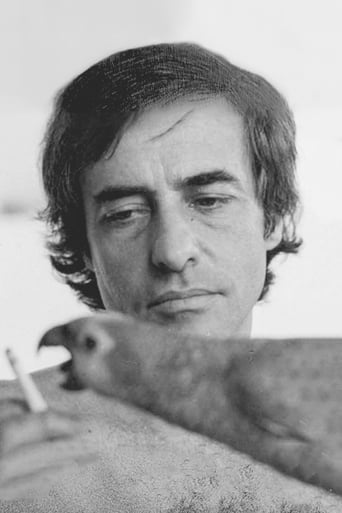
Joaquim Pedro de Andrade
Born May 25, 1932 · Rio de Janeiro, Brazil
Died September 10, 1988 · aged 56
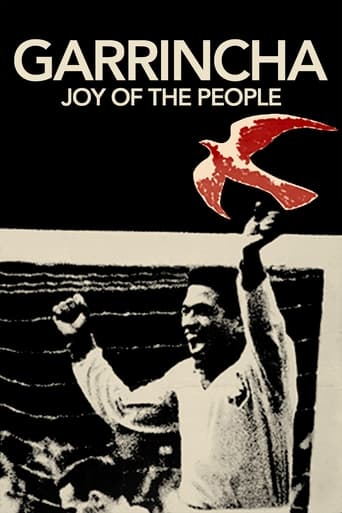
Joaquim Pedro de Andrade (Rio de Janeiro, May 25, 1932 – September 10, 1988) was a Brazilian filmmaker. He was a member of the Cinema Novo movement. Andrade is best known for his 1969 film Macunaíma, based loosely on the novel of the same title by Mário de Andrade. His 1962 documentary film Garrincha: Hero of the Jungle was entered into the 13th Berlin International Film Festival.
Known For
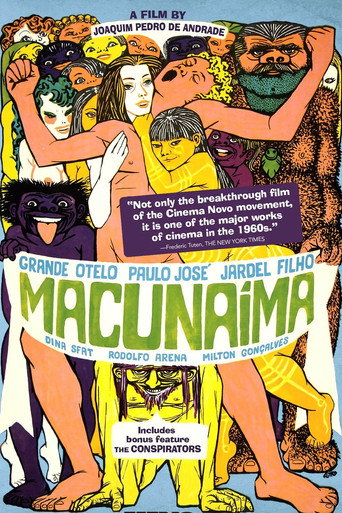 Macunaima · 1969
Macunaima
★ 7.01969
MovieComedyFantasy
Born a fully grown black man in a village in the Brazilian jungle, Macunaíma later magically transforms into a white man before making an adventure-filled trip to the city of São Paulo. Once there, he becomes something of a dandy, falling in love with Ci, a revolutionary who dies in an accidental bombing. After robbing a ruthless industrialist, Macunaima returns to his village where he finds his newly acquired knowledge and possessions of little use.
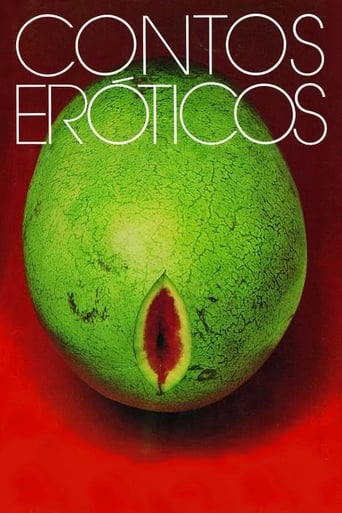 Erotic Stories · 1980
Erotic Stories
★ 6.51980
MovieComedy
Comedy in 4 segments. In "Arroz e Feijão" (Rice and Beans), owner of a boarding-house seduces her young countryboy tenant. In "As Três Virgens" (The Three Virgins) three spinsters are influenced by the behaviour of their teenager niece, whom they are lodging. In "O Arremate" (The Purchase) a colonist turns his virgin daughter in to a landowner, to have his debts forgiven. And, finally, in "Vereda Tropical" (Tropical Trail), a man becomes sexually obsessed by a watermelon, to the point of having sexual intercourse with it. The stories are based on prize-winner short stories, from a Playboy contest.
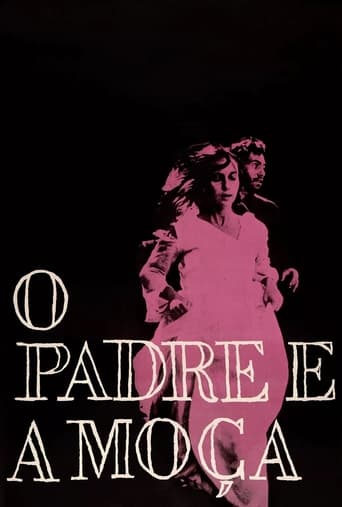 The Priest and the Girl · 1966
The Priest and the Girl
★ 7.01966
MovieRomanceDrama
In a small town in Minas Gerais, the arrival of a young priest causes a commotion in the conservative atmosphere of the place, aggravated by the sudden attraction this priest feels for a beautiful girl. This forbidden love affair soon turns into an unbridled passion.
 The Brazilwood Man · 1982
The Brazilwood Man
★ 5.01982
MovieComedyHistory
Fantasy comedy about Brazilian writer Oswald de Andrade, one of the most important icons of Modernism in Brazil. In the film, Oswald is played by two actors: Ítala Nandi, as his feminine anima, and Flávio Galvão, as the masculine half.
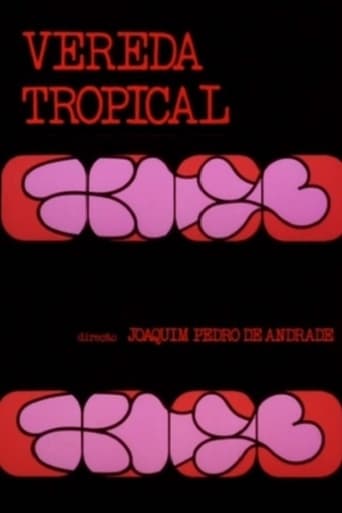 Tropical Paths · 1977
Tropical Paths
★ 5.81977
MovieComedy
In the island of Paquetá, professor investigates the genital vocation of vegetables and fruits, maintaining sexual relations with a watermelon. In his experiences, he counts on the interlocution of an attentive student.
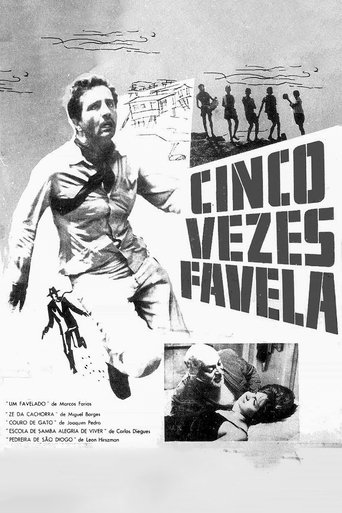 Five Times Favela · 1962
Five Times Favela
★ 7.91962
MovieDrama
Five segments about the hardships faced by people living in slums on hills in Rio de Janeiro.
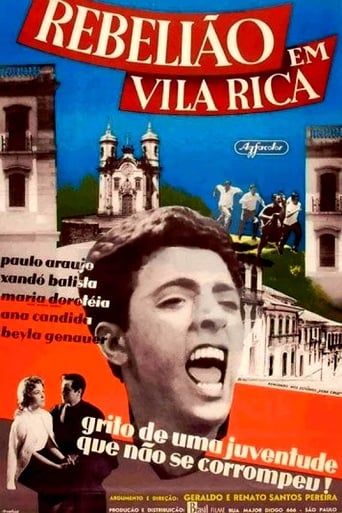 Rebelião em Vila Rica · 1957
Rebelião em Vila Rica
★ 8.01957
MovieDrama
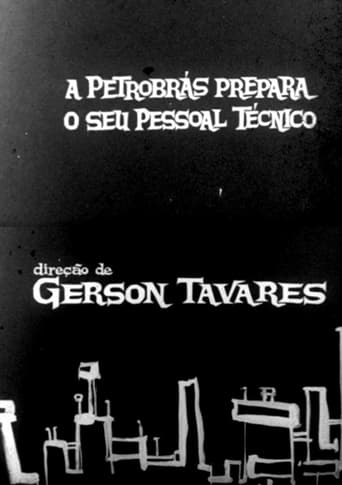 A Petrobrás prepara o seu pessoal técnico · 1958
A Petrobrás prepara o seu pessoal técnico
★ 5.01958
MovieDocumentary
Institutional film made for Petrobras in 1958, through a public announcement, about the company's actions for the training of technicians specialized in petroleum engineering.
Filmography
Sort
Rebelião em Vila Rica · 1957Rebelião em Vila Rica
★ 8.01957
MovieDrama
Assistant Director