Acting
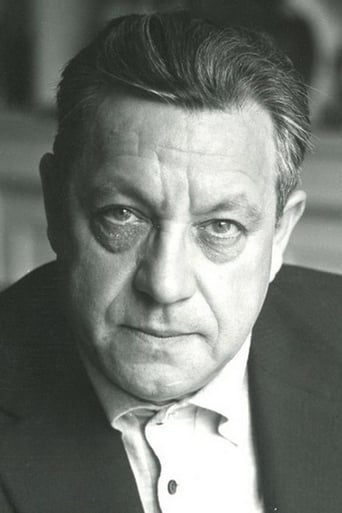
Paul Frankeur
Born June 29, 1905 · Paris, France
Died October 27, 1974 · aged 69
Paul Frankeur (29 June 1905 - 27 October 1974) was a French actor who appeared in films by Jacques Tati (Jour de fête) and Luis Buñuel (The Discreet Charm of the Bourgeoisie and The Phantom of Liberty). He was sometimes credited as Paul Francoeur. Description above from the Wikipedia article Paul Frankeur, licensed under CC-BY-SA, full list of contributors on Wikipedia
Known For
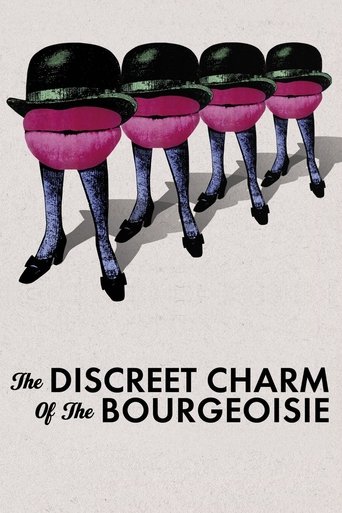 The Discreet Charm of the Bourgeoisie · 1972
The Discreet Charm of the Bourgeoisie
★ 7.41972
MovieComedy
In Luis Buñuel’s deliciously satiric masterpiece, an upper-class sextet sits down to dinner but never eats, their attempts continually thwarted by a vaudevillian mixture of events both actual and imagined.
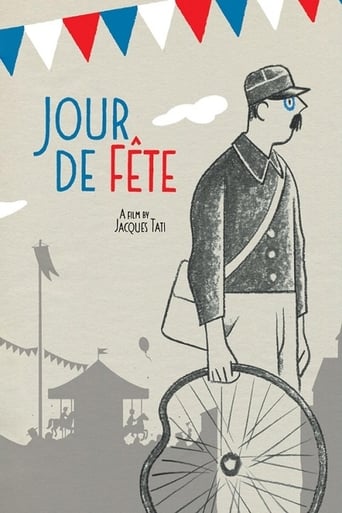 Jour de Fête · 1949
Jour de Fête
★ 7.11949
MovieComedy
Jour de Fête tells the story of an inept and easily-distracted French mailman who frequently interrupts his duties to converse with the local inhabitants, as well as inspect the traveling fair that has come to his small community. Influenced by too much wine and a newsreel account of rapid transportation methods used by the United States postal system, he goes to hilarious lengths to speed the delivery of mail while aboard his bicycle.
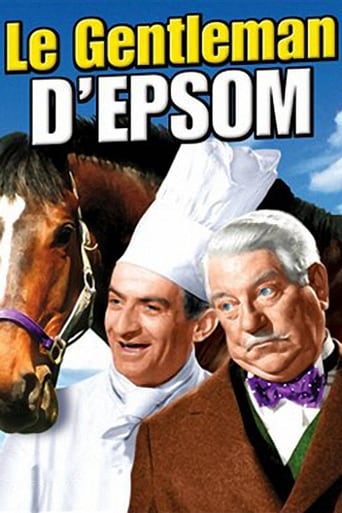 The Gentleman from Epsom · 1962
The Gentleman from Epsom
★ 6.21962
MovieComedyCrime
The story takes place in the racecourses around Paris. A so-called major sells his tips to naive characters.
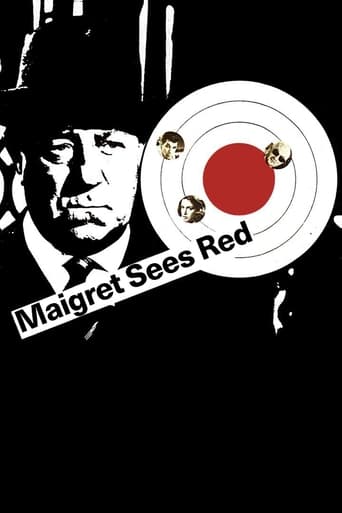 Maigret Sees Red · 1963
Maigret Sees Red
★ 6.41963
MovieCrimeDrama
Gangsters from the United States try to kill a key government witness whose testimony could help land an influential mobster in jail. It's up to detective Maigret to deal with the FBI and a series of underworld figures to save the life of the witness...
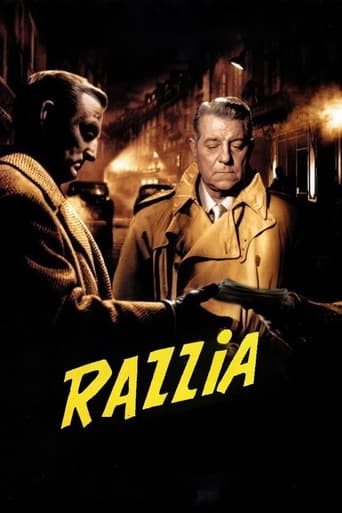 Razzia · 1955
Razzia
★ 6.71955
MovieCrimeDrama
Henri, the Man from Nantes, comes back to his country after a successful stay in the United States, where he was working for Liski, the drug dealer. With the fame of being a tough guy preceding him, he sets himself to the task of knowing why the French operations were not so profitable - and soon he is master of all links of the organization. He can now get it honed to perfection - or destroy it. Only... the Police are following his every step.
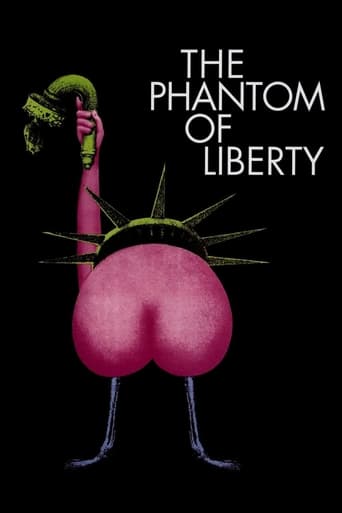 The Phantom of Liberty · 1974
The Phantom of Liberty
★ 7.41974
MovieComedy
This Surrealist film, with a title referencing the Communist Manifesto, strings together short incidents based on the life of director Luis Buñuel. Presented as chance encounters, these loosely related, intersecting situations, all without a consistent protagonist, reach from the 19th century to the 1970s. Touching briefly on subjects such as execution, pedophilia, incest, and sex, the film features an array of characters, including a sick father and incompetent police officers.
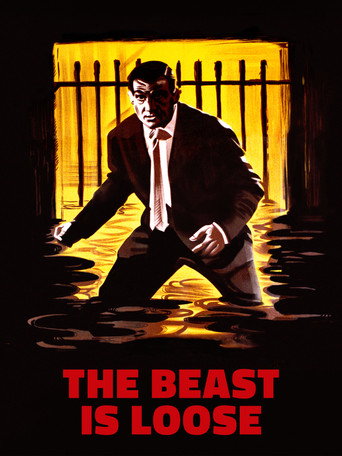 The Beast Is Loose · 1959
The Beast Is Loose
★ 6.31959
MovieCrimeDrama
Paul Lamiani, a wizened mobster, is asked to return to duty following the disappearance of secret documents of extreme importance. It is assumed that they are in the hands of a friend of Paul. But the case becomes even more delicate when Lamiani's son is kidnapped.
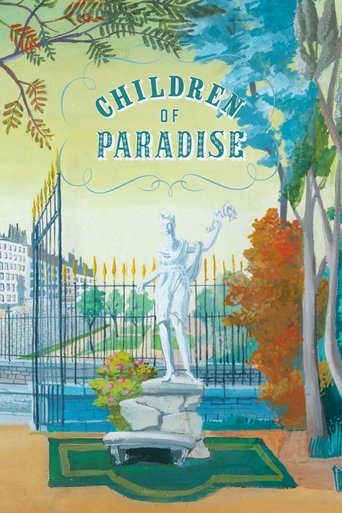 Children of Paradise · 1945
Children of Paradise
★ 8.01945
MovieDramaRomance
In a chaotic 19th-century Paris teeming with aristocrats, thieves, psychics, and courtesans, theater mime Baptiste is in love with the mysterious actress Garance. But Garance, in turn, is loved by three other men: pretentious actor Frederick, conniving thief Lacenaire, and Count Edouard of Montray.
Filmography
Sort
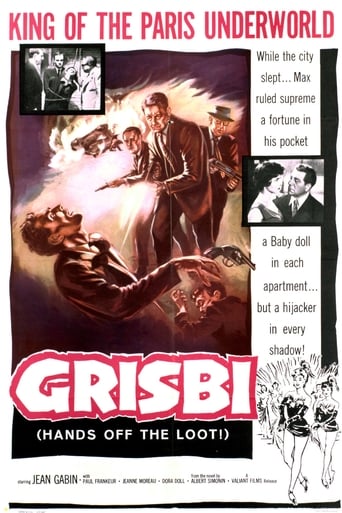
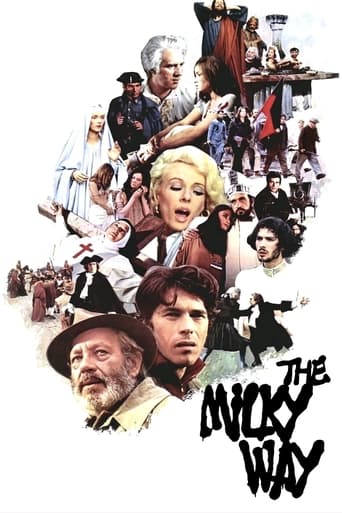

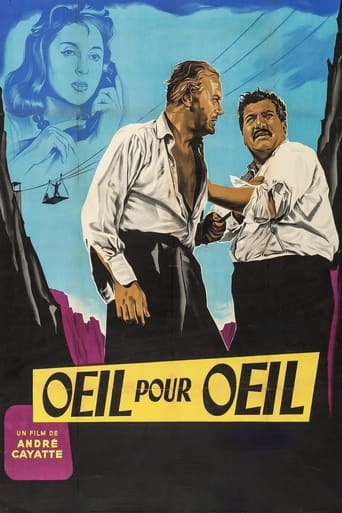
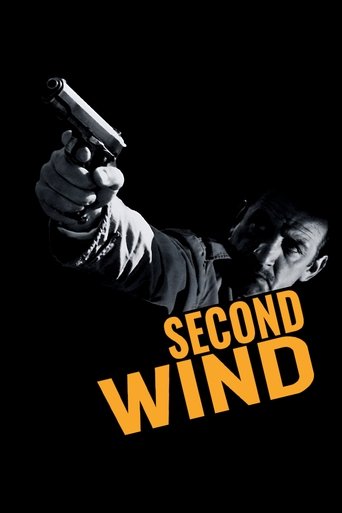
 God's Thunder · 1965
God's Thunder
★ 6.31965
MovieComedyDrama
Veterinarian Léandre Brassac lives with his wife Marie on a remote estate. One day, he decides to shelter a young woman with no bearings.
Le gendarme (uncredited)
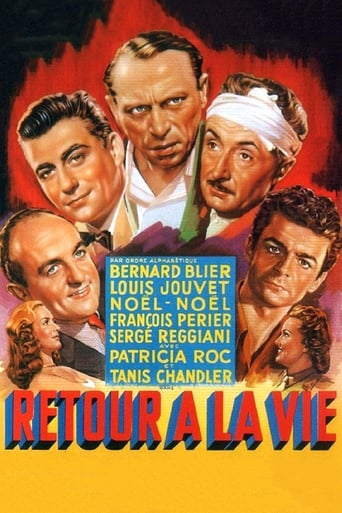 Return to Life · 1949
Return to Life
★ 6.41949
MovieDramaComedy
In France in 1946, the difficult return to civilian life of five deportees and prisoners of war after having lived through the hell of the Second World War.
Mayor (segment "Le retour de Louis")