Writing
Samson Raphaelson
Born March 30, 1894 · New York City, New York, USA
Died July 16, 1983 · aged 89
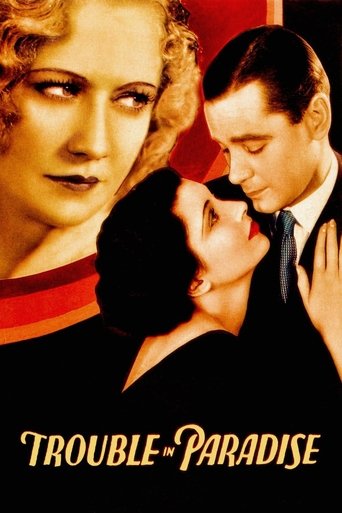
From Wikipedia, the free encyclopedia Samson Raphaelson (March 30, 1894 in New York City – July 16, 1983 in New York City) was an American screenwriter and playwright. Born in New York City, Raphaelson worked on nine films with Ernst Lubitsch, including Trouble in Paradise (1932), The Shop Around the Corner (1939), Heaven Can Wait (1943), and That Lady in Ermine (1948). He also collaborated wit…
Known For
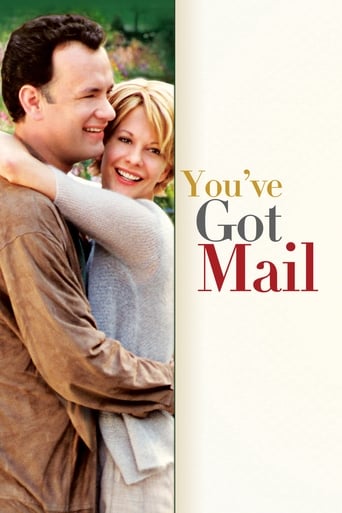 You've Got Mail · 1998
You've Got Mail
★ 6.71998
MovieComedyRomance
Book superstore magnate Joe Fox and independent book shop owner Kathleen Kelly fall in love in the anonymity of the Internet—both blissfully unaware that he's trying to put her out of business.
 Suspicion · 1941
Suspicion
★ 7.11941
MovieMysteryRomance
A sheltered heiress falls for a charming playboy and elopes with him, but soon discovers his gambling vice and mounting debts. As his lies deepen and those around them meet mysterious ends, she begins to suspect that her husband’s affection may conceal a deadly motive—and that she could be his next victim.
 Heaven Can Wait · 1943
Heaven Can Wait
★ 6.91943
MovieComedyRomance
Spoiled playboy Henry van Cleve dies and arrives at the entrance to Hell, a final destination he is sure he deserves after living a life of profligacy. The devil, however, isn't so sure Henry meets Hell's standards. Convinced he is where he belongs, Henry recounts his life's deeds, both good and bad, including an act of indiscretion during his 25-year marriage to his wife, Martha, with the hope that "His Excellency" will arrive at the proper judgment.
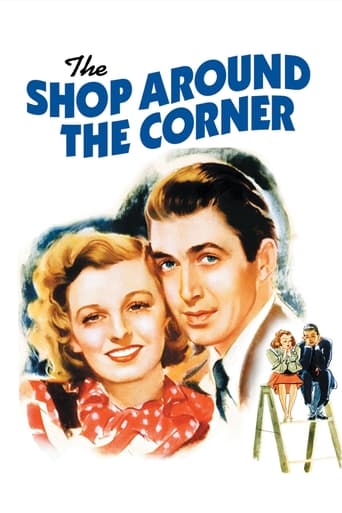 The Shop Around the Corner · 1940
The Shop Around the Corner
★ 8.11940
MovieComedyDrama
Two employees at a gift shop can barely stand one another, without realising that they are falling in love through the post as each other's anonymous pen pal.
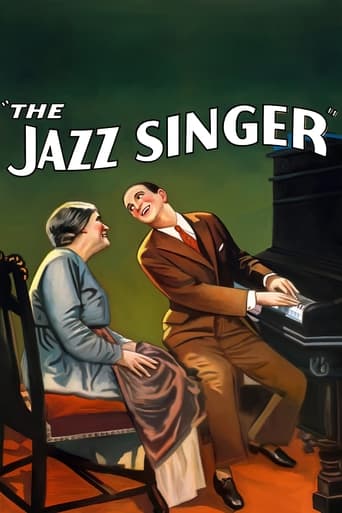 The Jazz Singer · 1927
The Jazz Singer
★ 6.11927
MovieDramaMusic
A young Jewish man is torn between tradition and individuality when his old-fashioned family objects to his career as a jazz singer. This is the first full length feature film to use synchronized sound, and is the original film musical.
 Broken Lullaby · 1932
Broken Lullaby
★ 7.41932
MovieDrama
A young French soldier in World War I is overcome with guilt when he kills a German soldier who, like himself, is a musically gifted conscript, each having attended the same musical conservatory in France. The fact that the incident occurred in war does not assuage his guilt. He travels to Germany to meet the man's family.
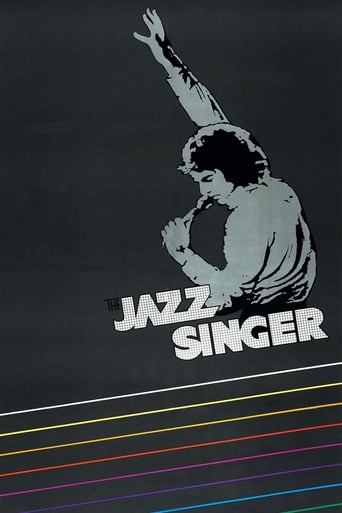 The Jazz Singer · 1980
The Jazz Singer
★ 5.91980
MovieDramaMusic
A young Jewish man is torn between tradition and individuality when his old-fashioned family objects to his career as a jazz singer.
 The Merry Widow · 1934
The Merry Widow
★ 6.81934
MovieComedyMusic
A prince from a small kingdom courts a wealthy widow to keep her money in the country.
Filmography
Sort