Ē
Writing
Ēriks Lanss
No biography available.
Known For
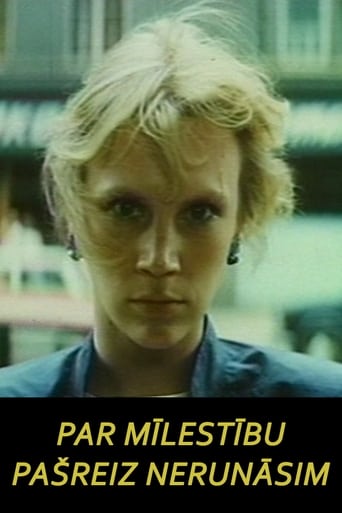 Par mīlestību pašreiz nerunāsim · 1988
Par mīlestību pašreiz nerunāsim
1988
MovieDramaRomance
After six years in prison, Brigita returns home to find that the life she once knew no longer exists. Her former husband, Indulis, has remarried, and Brigita’s son is growing up in his new family. As the former spouses meet again, painful memories of their marriage, poverty and the choices that tore them apart resurface.
 The Fathers Over There · 2016
The Fathers Over There
2016
MovieDocumentary
Andris Caune, Ojārs Grensbergs, Imants Grāvītis and Jānis Zemtautis spent many years in the Gulag camps. They survived. In 1954, a riot broke out in Jezkazan, Kazakhstan. The men’s camp and women’s camp joined together and held on for 40 days. Then came the tanks that killed more than 1,000 of them. Austra Vērpe met her future husband there. They were lucky to stay alive. The dream of the musician Zigfrīds Muktupāvels was to find the grave of his paternal uncle in far-off Kazakhstan. He was named after his uncle, who never came home. Zigfrīds and a cousin headed off into the steppes to look for a monument reading “Zigfrīds Muktupāvels.” The next round of deportations occurred in 1949, and whole families were sent to Siberia. Fathers were tried in court, a great many ended up in punitive camps in Vorkuta and Inta. Skaidrīte Jostmane and Māris Landers travelled to Vorkuta to find their father’s gravesite.
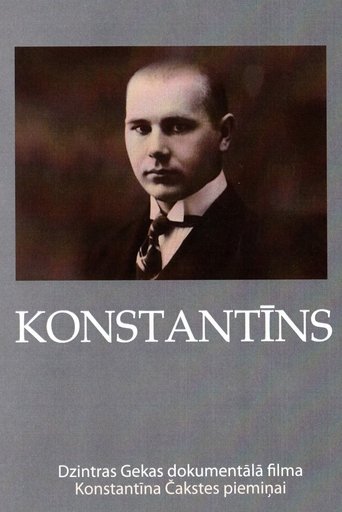 Konstantīns · 2011
Konstantīns
2011
MovieDocumentary
A documentary about Latvian freedom fighter Konstantīns Čakste who was the son of the first Latvian president and who perished in 1945.
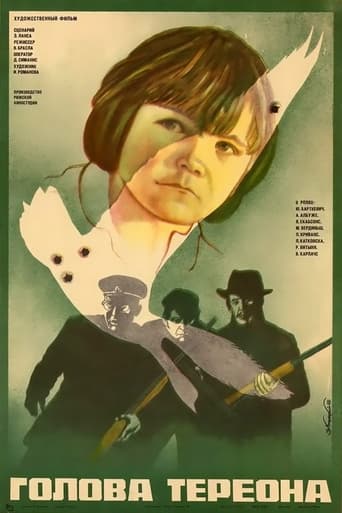 Tereona galva · 1982
Tereona galva
1982
MovieDrama
After successfully operating on a forester’s son, a doctor is invited to the family’s forest home for a promised hunting trip. When the boar intended for the hunt must be handed over to visiting forestry officials, the embarrassed forester suggests shooting wild geese instead. But the birds are more than game to his young son Ivo—they are his beloved companions, and the majestic gander he calls the king of the flock is among them.
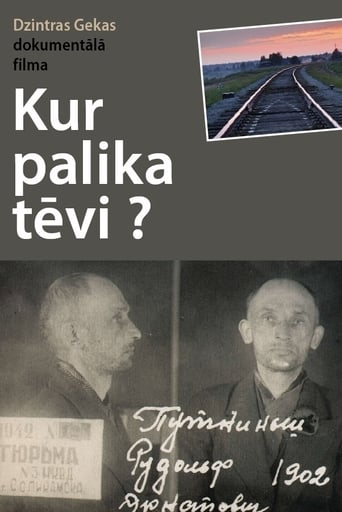 Where Did The Fathers Go? · 2014
Where Did The Fathers Go?
2014
MovieDocumentary
The children who were sent to Siberia in 1941 have not seen their fathers – in their memories they recollect: “My father was arrested, he was sent to Vyatlag camp. He died there in March, 1942. He was not convicted. Father was tried in the autumn of 1942, when he was already dead, Moscow Troika verdict: 10 years in prison and confiscation of property...”The railcar moves along overgrown rails. For 70 years, the twelve participants of the journey have wanted to go to the places from where their fathers did not return. Among the harsh nature the tension on their faces shows.
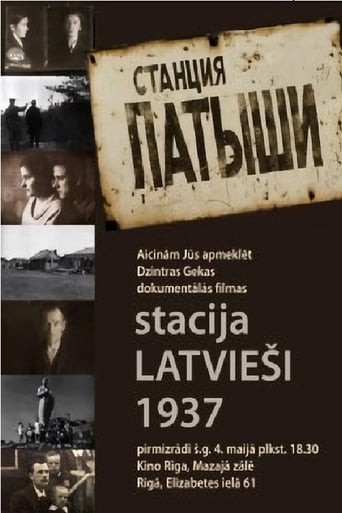 Train Station Latvians 1937 · 2011
Train Station Latvians 1937
2011
MovieDocumentary
Latvians have left their land for all corners of the earth over the last centuries – either driven out for disobeying the powers at large, or due to wars and revolutions, or with visions of a better life. And not always to an easier life. But there was only one place where an anti-Latvian campaign was waged, where every Latvian was treated as a spy, a traitor, and the enemy, and therefore deserved to be tortured and shot. This was during the 1937 repression in Russia, where the horror and pathologies, made Latvians into betrayers and murderers of their own kind.
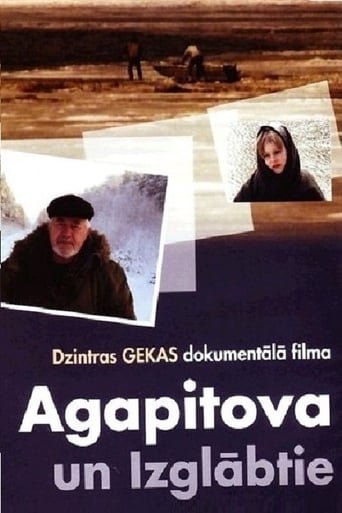 Agapitova and the Rescued · 2009
Agapitova and the Rescued
2009
MovieDocumentary
This is a film about the return of an individual to the Far North, and to the past. Agapitova, Igarka – the vast lands of Siberia, to which Ilmārs Knaģis and 4,000 other children from Latvia were deported in 1941. In the autumn of 1942, 700 mothers and children of different nationalities were sent to the death island of Agapitova. Only 60 survived, among them six Latvian children – Biruta Kazaka, Pāvels Kliesbergs, Venta Grāvīte, Ilmārs Grāvītis, Pēteris Bērziņš and Valentīna Voiciša. The question remains: Why did this happen? And why is no one to blame?
 John Dored's Island · 2007
John Dored's Island
2007
MovieDocumentary
John Dored was the first Latvian cinematographer to train with the famous Pathé, actively film on the front lines of WWI, and the only foreigner who filmed Lenin’s funeral, illegally. After emigrating to the U.S.A. he worked as a correspondent for Paramount News for 25 years and continued reporting from war zones. The film is based on the correspondence and journals of Dored and his wife Elizabeth – a portrait of a stellar career and of fate, love, life and death.
Filmography
Sort

