Production
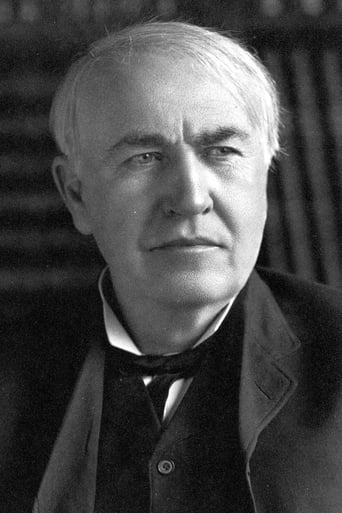
Thomas A. Edison
Born February 11, 1847 · Milan, Ohio, USA
Died October 18, 1931 · aged 84
Thomas Alva Edison (February 11, 1847 – October 18, 1931) was an American inventor and businessman who has been described as America's greatest inventor. He developed many devices in fields such as electric power generation, mass communication, sound recording, and motion pictures. These inventions, which include the phonograph, the motion picture camera, and the long-lasting, practical electric l…
Known For
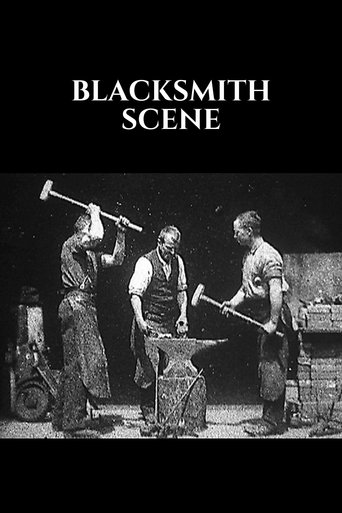 Blacksmith Scene · 1893
Blacksmith Scene
★ 5.61893
MovieDrama
Three men hammer on an anvil and pass a bottle of beer around. Notable for being the first film in which a scene is being acted out.
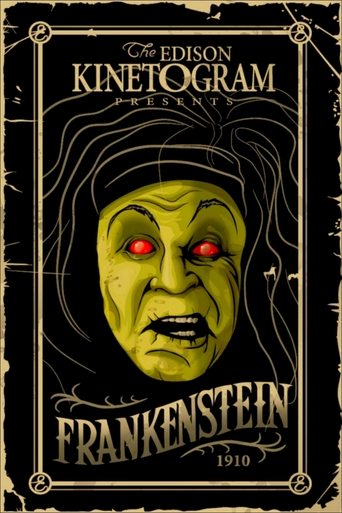 Frankenstein · 1910
Frankenstein
★ 6.11910
MovieHorrorScience Fiction
Frankenstein, a young medical student, trying to create the perfect human being, instead creates a misshapen monster. Made ill by what he has done, Frankenstein is comforted by his fiancée; but on his wedding night he is visited by the monster.
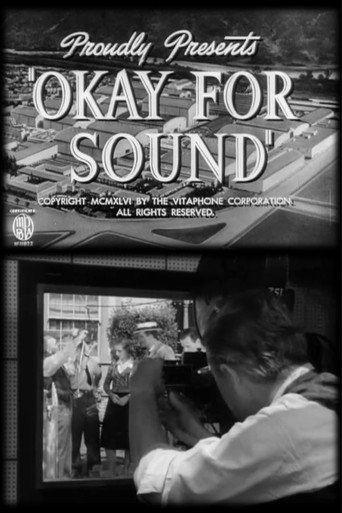 Okay for Sound · 1946
Okay for Sound
★ 6.71946
MovieHistoryDocumentary
This short was released in connection with the 20th anniversary of Warner Brothers' first exhibition of the Vitaphone sound-on-film process on 6 August 1926. The film highlights Thomas A. Edison and Alexander Graham Bell's efforts that contributed to sound movies and acknowledges the work of Lee De Forest. Brief excerpts from the August 1926 exhibition follow. Clips are then shown from a number of Warner Brothers features, four from the 1920s, the remainder from 1946/47.
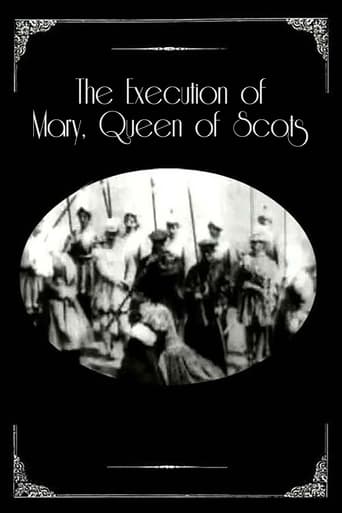 The Execution of Mary, Queen of Scots · 1895
The Execution of Mary, Queen of Scots
★ 6.31895
MovieHistoryDrama
A short film depicting the execution of Mary, Queen of the Scots. Mary is brought to the execution block and made to kneel down with her neck over it. The executioner lifts his axe ready to bring it down. After that frame Mary has been replaced by a dummy. The axe comes down and severs the head of the dummy from the body. The executioner picks up the head and shows it around for everyone else to see. One of the first camera tricks to be used in a movie.
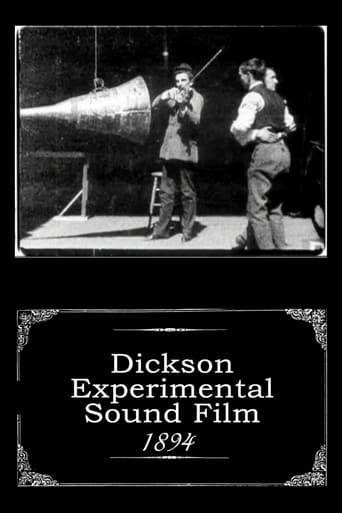 Dickson Experimental Sound Film · 1894
Dickson Experimental Sound Film
★ 6.11894
MovieMusic
William K.L. Dickson plays the violin while two men dance. This is the oldest surviving sound film where sound is recorded on the phonograph.
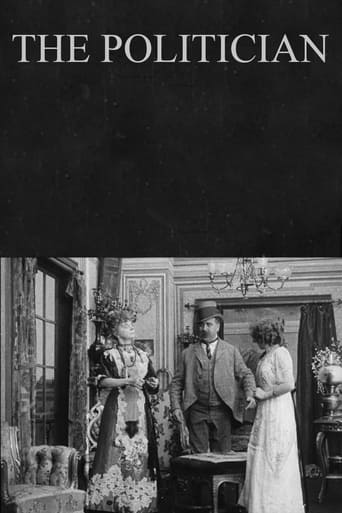 The Politician · 1913
The Politician
1913
MovieComedy
A political boss antagonizes his constituents when he delivers an oratory while being fed talking points from his daughter who is reading from the wrong newspaper.
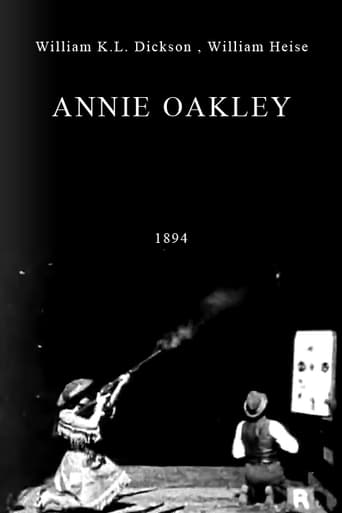 Annie Oakley · 1894
Annie Oakley
★ 6.01894
MovieDocumentaryWestern
A short Edison Black Maria studio film featuring famed sharpshooter Annie Oakley, known as “Little Sure Shot.” Born Phoebe Ann Oakley Mozee in Ohio in 1860, she rose to global fame performing with Buffalo Bill’s Wild West show. Accompanied (likely) by her husband and fellow marksman Frank Butler, Oakley’s diminutive stature belied her legendary marksmanship.
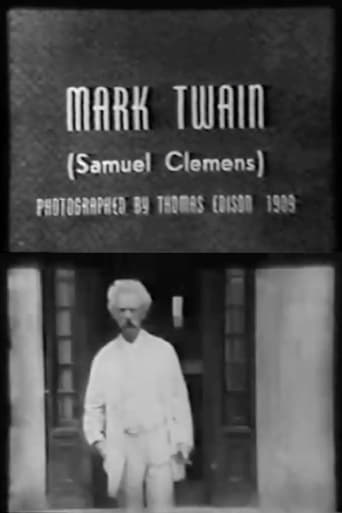 Mark Twain (Samuel Clemens) · 1909
Mark Twain (Samuel Clemens)
1909
MovieDocumentary
The only known moving-image footage of the author, filmed at his home, Stormfield, in Redding, Connecticut. The silent short shows Twain walking about his estate, relaxing indoors with his daughters Clara and Jean. No known voice recording survives. Part of this footage has been associated with Edison’s The Prince and the Pauper (1909). Although Thomas Edison has sometimes been mistakenly named as director, he was never credited as director on any films; the actual director of this short is unknown.
Filmography
Sort