G
Directing
Giacinto Solito
No biography available.
Known For
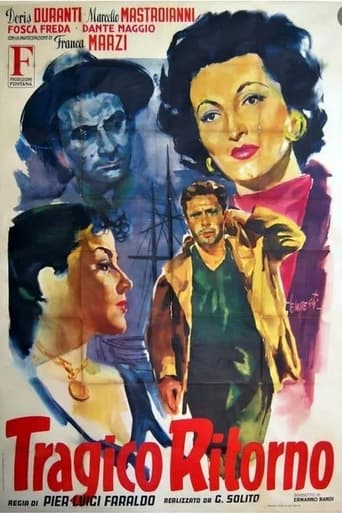 Tragico ritorno · 1952
Tragico ritorno
★ 7.51952
MovieDrama
Marco, returning home to Livorno after having spent eight years in prison, finds his wife Giovanna married to another man, who the son believes is his real father. He decides to commit suicide but then he meets Elisa, who dissuades him and he begins to live with her and her father.
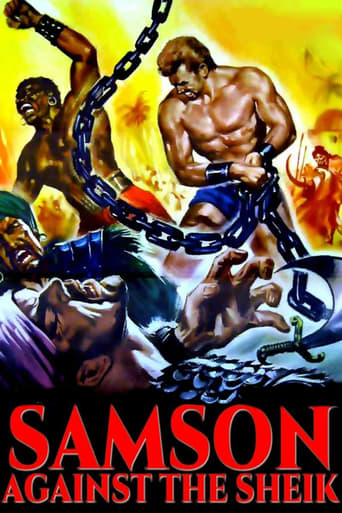 Samson Against the Sheik · 1962
Samson Against the Sheik
★ 7.01962
MovieAdventure
In the late 1500s, forces of the Duke of Malaga topple the Sacred Obelisk in the North African city of Melida before they're defeated by the local Sheik. The Shiek's men then sail to Spain and kidnap the Duke's daughter, Isabella.
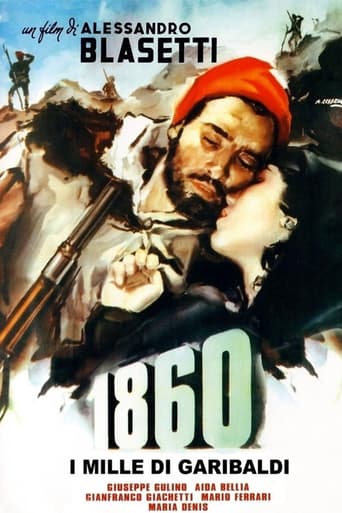 1860 · 1934
1860
★ 6.41934
MovieDramaHistory
The story is the harried attempt of a Sicilian partisan, as part of the risorgimento, to reach Garibaldi's headquarters in Northern Italy, and to petition the revered revolutionary to rescue part of his besieged land. Along the way, the peasant hero encounters many colorful Italians, differing in class and age, and holding political opinions of every type. There is a key train scene, and the film ends on the battlefield, Italian unification a success, despite brutal losses.
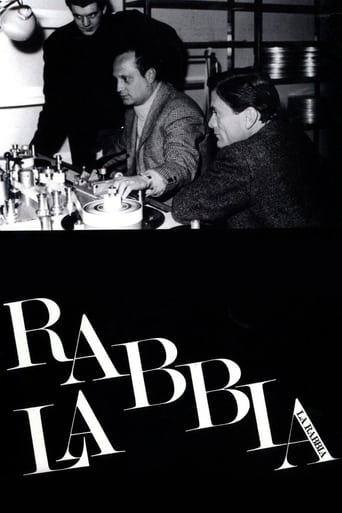 La Rabbia · 1963
La Rabbia
★ 7.01963
MovieDocumentary
Documentary footage (from the 1950s) and accompanying commentary to attempt to answer the existential question, Why are our lives characterized by discontent, anguish, and fear? The film is in two completely separate parts, and the directors of these respective sections, left-wing Pier Paolo Pasolini and conservative Giovanni Guareschi, offer the viewer contrasting analyses of and prescriptions for modern society. Part I, by Pasolini, is a denunciation of the offenses of Western culture, particularly those against colonized Africa. It is at the same time a chronicle of the liberation and independence of the former African colonies, portraying these peoples as the new protagonists of the world stage, holding up Marxism as their "salvation", and suggesting that their "innocent ferocity" will be the new religion of the era. Guareschi's part, by contrast, constitutes a defense of Western civilization and a word of hope, couched in traditional Christian terms, for man's future.
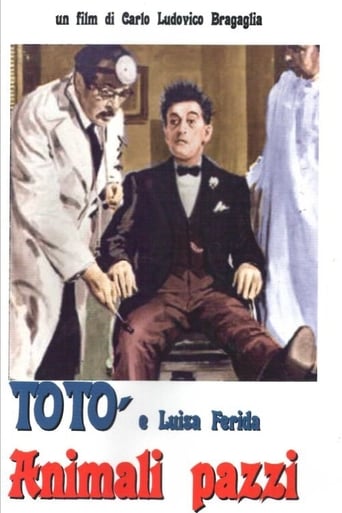 Animal Crackers · 1939
Animal Crackers
★ 5.21939
MovieComedy
After several unsuccessful suicide attempts, Totò finds himself in an animal asylum.
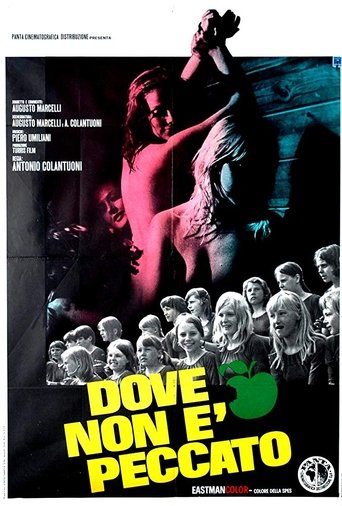 Mondo Finlandia · 1970
Mondo Finlandia
★ 6.31970
MovieDocumentary
An Italian mondo documentary about Finland. Among other things, it showcases intricacies of local mating culture, sports, Midsummer festivities and sauna.
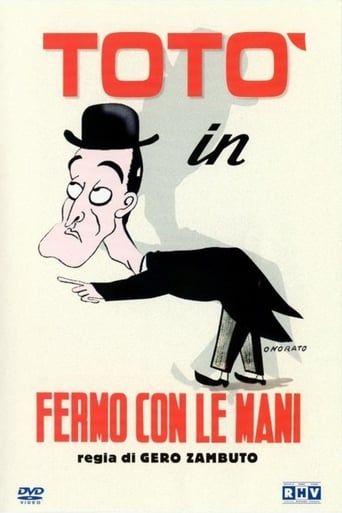 Hands Off Me! · 1937
Hands Off Me!
★ 6.21937
MovieComedy
In his first feature, great Italian clown Totò plays a carefree tramp moving from job to job, in order to provide for himself and his young Shirley Temple-like protégée.
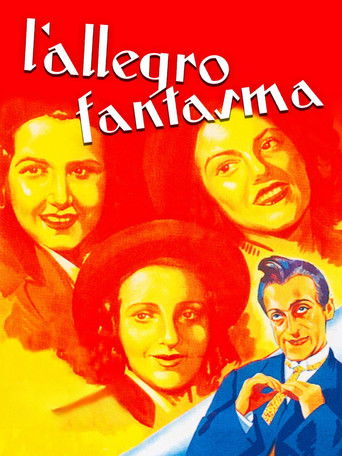 L'allegro fantasma · 1941
L'allegro fantasma
★ 5.31941
MovieComedy
The noble Pantaleo Di Santa Paola has just died, and the preamble to his will is a confession in which he claims that in his youth he had a relationship with a circus rider that produced twin sons.