Directing
Izza Génini
Izza Génini was born in Casablanca, Morocco, in 1942 to a Jewish family. After studying literature and foreign languages at the Sorbonne and the Institut national des langues et civilisations orientales, both in Paris, Génini decided to enter cinema. In 1973, she founded SOGEAV for the distribution of French films in French speaking African nations, distribution of African films abroad, and the p…
Known For
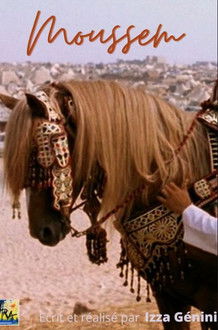 Moussem · 1997
Moussem
1997
MovieDocumentary
Feast, Pilgrimage or Souk, the Moussem is the most popular and the most regular Moroccan event. The one of Moulay Abdallah is the most renowned for its Fantasia. It gathers every year around one thousand horses and their magnificent horsemen. Through successive waves the troops unfurl up to the official platforms, shooting all together the honour "baroud". Toufik Naomi, 22 years old, one of the more impassionate and gifted riders, will win once again that coveted victory.
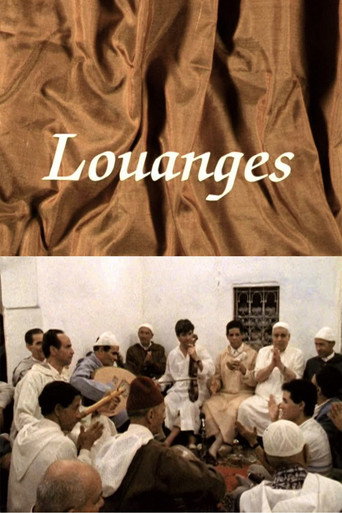 Hymns of Praise · 1988
Hymns of Praise
1988
MovieDocumentaryMusic
Between Volubilis and Meknès, the sanctuary of Moulay Idriss, is the scene of one of the most important pilgrimages in Morocco. Sufi brotherhoods and simple pilgrims parade for 8 days on ecstatic rhythms.
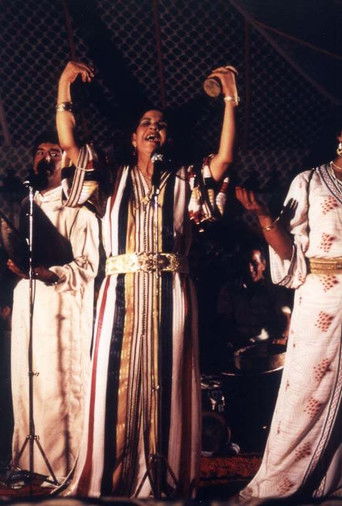 Aïta · 1988
Aïta
1988
MovieDocumentary
Documentary on aïta, a Bedouin musical style that originated in the countryside of Morocco. Women aïta singers are shown performing and discussing their nomadic lifestyle and profession.
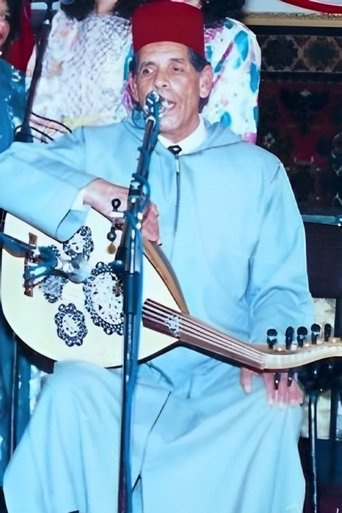 Malhoune · 1989
Malhoune
1989
Movie
In Meknes, at the music conservatory, master Hadj Hoceine Toulali evokes some rules governing malhoune , a sung dialect word, imbued by the intimate links it maintains with the social and artisanal life of the city.
 Drums Beating · 1999
Drums Beating
1999
MovieDocumentary
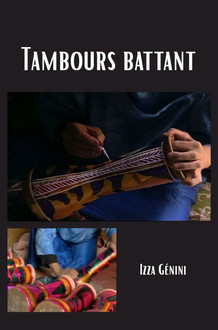
"The drums were everywhere. There were round ones, flat ones, pot-bellied ones... There were tiny ones and huge ones like those played by the musicians who came to turn beneath our windows in Casablanca..." Using the omnipresent percussion during Morocco's feast of Achoura, and Izza Genini's personal memories, this film examines the place of music in a person's relationship to his social and cultural origins. Profane or sacred music – what is the secret by which music binds a person to the world and sometimes to himself?
 Blood Wedding · 1977
Blood Wedding
★ 6.21977
MovieDrama
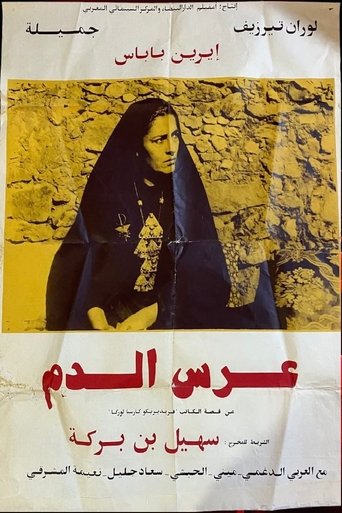
In a small village in southern Morocco, Amrouch cannot, because of his social position, marry the daughter of a wealthy farmer from the nearby village. Based on Federico Garica Lorca’s novel.
 Gnaouas · 1989
Gnaouas
1989
MovieDocumentary
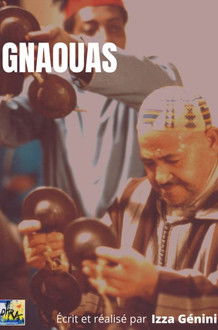
Film documents the rituals, spiritual customs, music and dance of the Gnaouas, the African religious group originally brought into Morocco centuries ago. Also contains footage of the slaughter of a sheep.
 Trances · 1982
Trances
★ 6.71982
MovieDocumentaryMusic
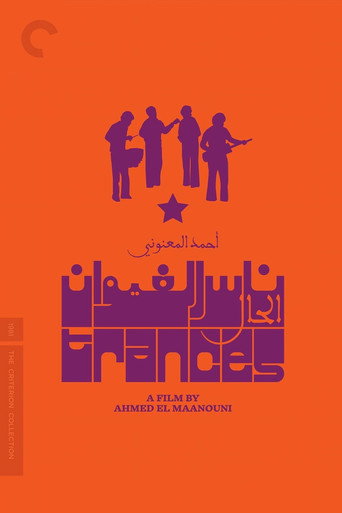
A portrait of the groundbreaking Moroccan band Nass El Ghiwane, documenting a series of electrifying live performances in Tunisia, Morocco, and France; on the streets of Casablanca; and in intimate conversations. Storytellers through song and traditional instruments, and with connections to political theatre, the band became a local phenomenon and an international sensation, thanks to their rebellious lyrics and sublime, fully acoustic sound, which draws on Berber rhythms, Malhun sung poetry, and Gnawa dances.
Filmography
Sort