Directing
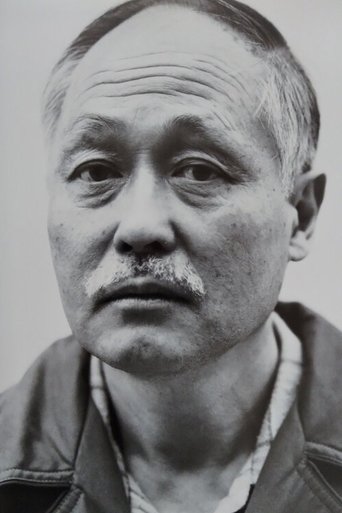
Michio Okabe
Michio Okabe (1937-2020) began his activities as an artist in the mid-1960s, participating in the contemporary artist group Off Museum. He interacted with groups such as Neo-Dada and Hi Red Center, as well as artists like Ushio Shinohara, and presented at Yomiuri Independent exhibition (1964), Big Fight exhibition (1965), a solo exhibition at Naiqua Gallery (1965), as well as street performances. …
Known For
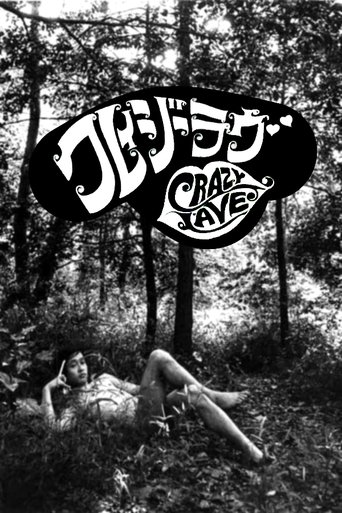 Crazy Love · 1968
Crazy Love
★ 4.31968
MovieComedy
Correlated with Susan Sontag's theorization of kitsch as well as employing the queer lingo of "camp," this film's relentless equal opportunity pop-art montage shattered the foundations of conventional cinema, making it a true document of the Shinjuku underground scene. Director Okabe himself appears recreating his favorite roles from Bonnie and Clyde to Spaghetti Westerns, as well as incorporating quotations by inserting stills of Godard, Kennedy’s assassination and the Vietnam War.
 Camp · 1970
Camp
★ 3.21970
Movie
The title is a phonetical arrangement in kanji Chinese characters of camp, a concept synonymous with Michio Okabe. Okabe radically explores his distinct, Japanese camp aesthetic in the enclosed space of the film world. As written in the kanji, “precious night, wealth of dreams” (貴い夜、夢の富), inhabitants of the night world such as butoh dancer, gay character, night watch, violinist, masseuse, yakitori shop, vampire, dog, and cat, appear one after another and unfold a disastrous but beautiful soirée.
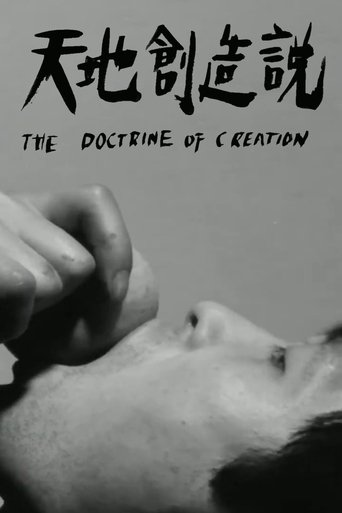 The Doctrine on Creation · 1967
The Doctrine on Creation
★ 5.01967
Movie
Borrowing the title from John Huston’s The Bible: in the Beginning (1966) (Tenchi Sozo in Japanese), Okabe aimed to paint the zeitgeist of the period by collecting and exposing the world around him and himself.
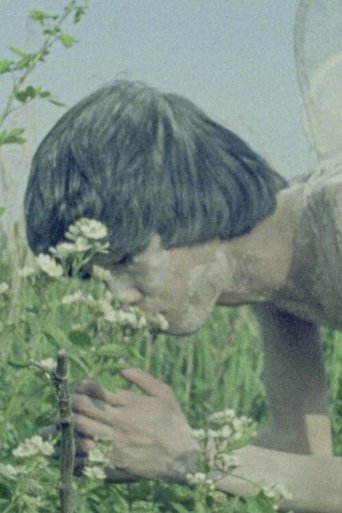 Memoir · 1977
Memoir
1977
Movie
Michio Okabe, considered an icon of 1960s Japanese underground cinema, pursued the principle of subjective cinema by combining images that interested him cinematically and roles that he wanted to play himself. In MEMOIR the artist’s fantasies of the late 1970s are featured in a chaotic chain of images. (Go Hirasawa)
 Boy-Taste · 1973
Boy-Taste
★ 6.01973
Movie
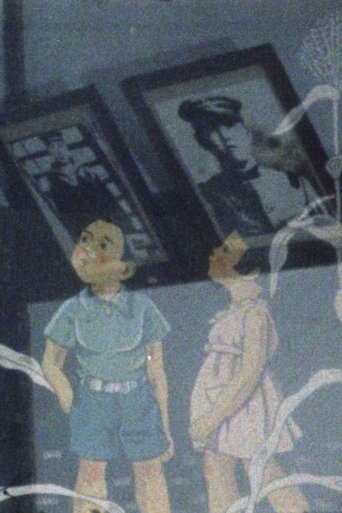
In an esoteric temple, grown men return to their boyhood and play innocently. Model aeroplanes, paper butterflies, vehicles, tin toys... the things that boys like emerge from the darkness. A short film that visualises dreams of a distant boyhood with a unique aesthetic.
 Saijiki · 1973
Saijiki
1973
Movie
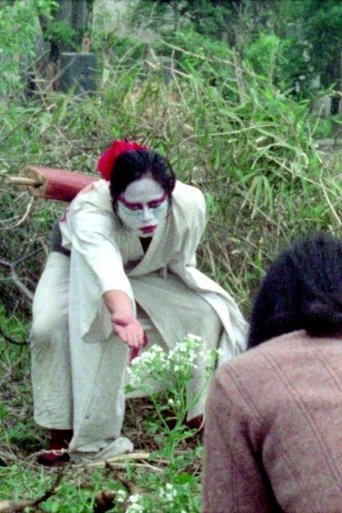
A unique road movie that took two years to make, based on the concept of "filming the changing seasons like a haiku poem". The men's journey, consisting of four parts - The Wandering Vampire, Yuugyo, The Lonely Journey and Habodashi Yakusha Hoboki - creates a surreal alternate world amidst the beauty of nature. The cast includes Sotobayama Fumiaki of the underground theatre company Harumidashi Gekijo, folk singer Mikami Hiroshi, Zero Dimensional, Oe Masanori and many others.
Filmography
Sort