Acting
Ivan Novoseltsev
Born March 7, 1906 · Andronovo, Smolensk province, Russia
Died October 18, 1942 · aged 36
No biography available.
Known For
 The Brave Seven · 1936
The Brave Seven
★ 4.51936
MovieHistoryDrama
Six polar explorers arrive to a remote island in Arctic for a year-long scientific expedition. When their ship departs, they unpack only to find a young stowaway, who romanticized Arctic heroes, and tried to join them on multiple occasions finally succeeding. That's how six became seven. Life of polar explorers is tough, and full of danger. During one year they are largely isolated from the mainland, and should survive using their resourcefulness, smarts, knowledge, and existing supplies with occasional unreliable radio communications. The Seven are resilient, cheerful, they forged a true friendship. Now they are ready to face the unforgiving Arctic.
 A Simple Case · 1930
A Simple Case
★ 5.31930
MovieRomanceDrama
As a response to criticism for the allegedly excessive “mass appeal” of his earlier epic STORM OVER ASIA (1928), Vsevolod Pudovkin unleashed his flair for experimentation in what was supposed to be the director’s first sound feature. Everything went wrong: technical problems forced him to complete the film as a silent; viewers were baffled by the lack of a recognizable plot; then, the ideological climate of the Soviet Union changed. He was now being blamed for catering to bourgeois taste! Time has come to set the record straight. Here’s lyrical cinema at its best, deliberately operatic and yet intimate as it matches the characters’ inner life with the solemn rhythms of nature, and depicted through breathtaking black-and-white photography. A sensation at last year’s Pordenone fest, Pudovkin’s long-forgotten swan song to the art of montage is resurrected by Gabriel Thibaudeau’s emotionally charged live music performance. –PCU (USSR, 1930, 75m)
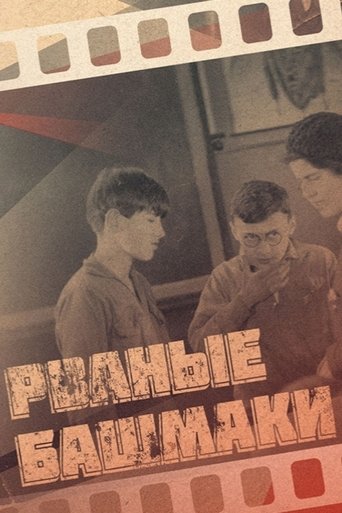 Torn Boots · 1933
Torn Boots
★ 5.51933
MovieDrama
Working with children led Barskaya to create superb direct sound and an inspired style of shooting. Don’t look for conventional cinematic syntax here. The film is chaotic in the way that Soviet films still knew how to be, and Langlois couldn’t help but be seduced by its rebellious spirit, its anarchy and love of children, comparable to Vigo’s Zero de conduite.
As well as being a film made with and for children, it offers a complex take on Western society. Pre-Nazi Germany is not named as such but is carefully reconstructed, possibly under advice from Karl Radek, and children offer a playful reflection of class struggle – doubly excluded, as proletarians and as minors. “They play in the same way that they live”, one intertitle says. The interaction between their comical games and the yet more ludicrous ones played by adults is developed on several levels.
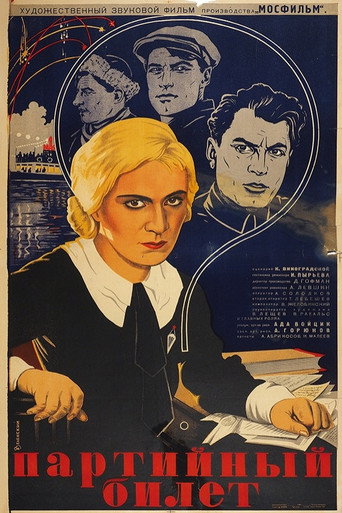 Anna · 1936
Anna
★ 5.41936
MovieDramaCrime
Yasha, who likes Anna, accomodates siberian Pavel Kuganov, which later becomes a class-conscious worker in a factory. Anna refuses Yasha's offer of marriage and he therefore runs off to Siberia. After Pavel is hailed as a hero because he survives a fire accident in factory (which is in fact effect of his sabotage), Anna marries him. Pavel then becomes a reckless communist careerist, but only on surface. In fact, he is a traitor of the country and a spy, and gives Anna's party ID card to anti-communist movement. In spite of that, Anna is expelled from the communist party. Yasha returns from Siberia, only to find her love Anna desperate. They reveal the truth about Pavel (that he is a kulak who killed a kolchoz co-op leader), which means an end for Pavel.
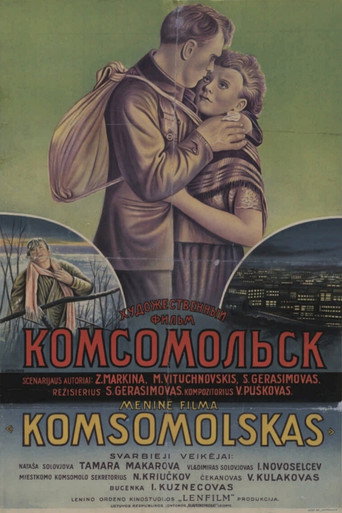 Komsomolsk · 1938
Komsomolsk
★ 8.51938
MovieDrama
In 1932, thousands of Komsomol members set off for the Far East to build the "city of youth" — Komsomolsk-on-Amur. Among the builders is a saboteur. Soon, fuel depots explode at the new factories in Komsomolsk.
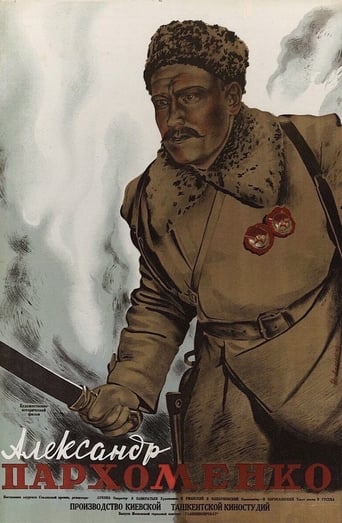 Aleksandr Parkhomenko · 1942
Aleksandr Parkhomenko
★ 5.11942
MovieWarDrama
About the life and heroic death of the old Bolshevik-Lugansk resident, participant in the civil war, Aleksandr Yakovlevich Parkhomenko. In 1918, capturing Ukraine, the German occupiers sought to use the Haidamaks, the White Guards and the Greens in their struggle. By order of Voroshilov, Aleksandr Parkhomenko from Lugansk arrives in Tsaritsyn. At the same time, the Germans launched an active offensive. The "red" battalions are poorly armed, however, Parkhomenko manages to raise them to the attack and put the enemy to flight.
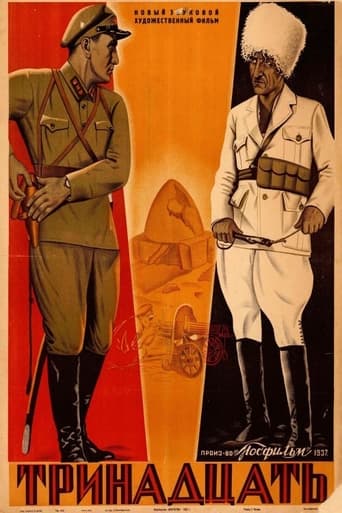 The Thirteen · 1937
The Thirteen
★ 5.71937
MovieAdventureWar
The film tells about a band of demobilized Red Army men and two civilians who cross a Middle Asian desert. They are forced to do battle with superior forces of Basmachi rebels for the dry draw-well.
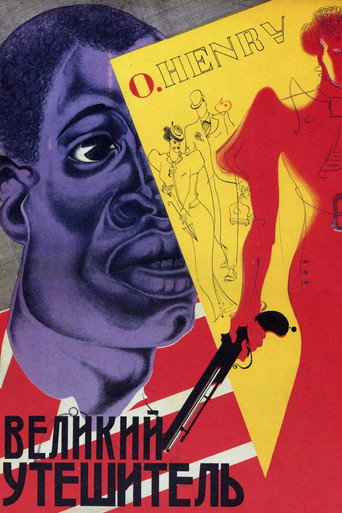 The Great Consoler · 1933
The Great Consoler
★ 5.21933
MovieDrama
The Great Consoler is Lev Kuleshov’s most personal film reflecting both the facts of his life and his thoughts about the place of the artist in contemporary reality. It was the only film in the Soviet cinema of those years that raised the question of what role a creative person played in society.
Filmography
Sort