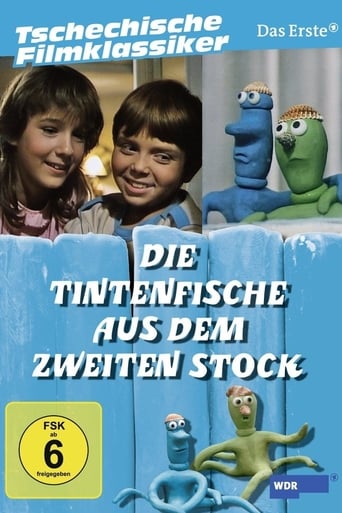
Acting
Nina Divíšková
Born July 12, 1936 · Brno, Czechoslovakia [now in Czech Republic]
Died June 21, 2021 · aged 84
Nina Divíšková (born 12 July 1936) is a Czech actress. She appeared in more than seventy films since 1967. She is the wife of the film director Jan Kačer. Her sister is ceramist Tamara Divíšková. From Wikipedia, the free encyclopedia
Known For
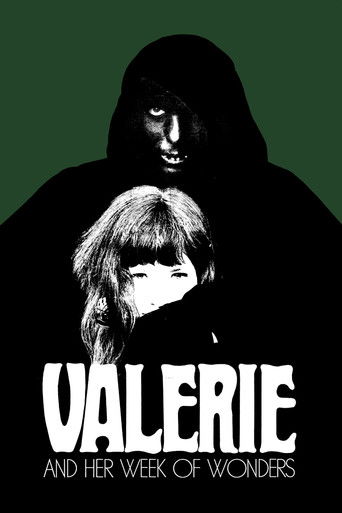 Valerie and Her Week of Wonders · 1970
Valerie and Her Week of Wonders
★ 7.01970
MovieFantasyAdventure
Valerie, a Czechoslovakian teenager living with her grandmother, is blossoming into womanhood, but that transformation proves secondary to the effects she experiences when she puts on a pair of magic earrings. Now seeing the world around her in a different light, Valerie must endure her sexual awakening while attempting to discern reality from fantasy as she encounters lecherous priest Gracian, a vampire-like stranger and otherworldly carnival folk.
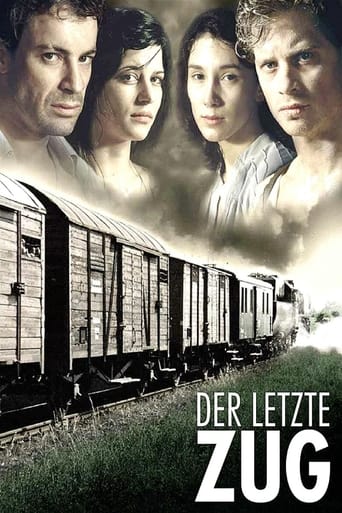 The Last Train · 2006
The Last Train
★ 7.22006
MovieWarDrama
A group of people are imprisoned in a rail car bound from Berlin to a concentration camp in 1945.
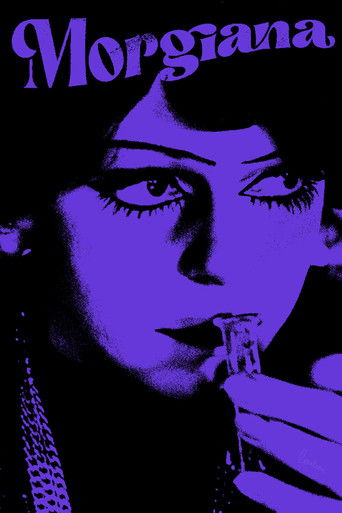 Morgiana · 1972
Morgiana
★ 7.21972
MovieMysteryHorror
Jealous of her vapidly "good" sister's popularity, poisonous Viktoria doses pretty Klara's tea with a slow-acting fatal substance. As the latter grows hysterically weak, the former finds success increasingly compromised by guilt, blackmail, and the pesky need to kill others lest she be exposed.
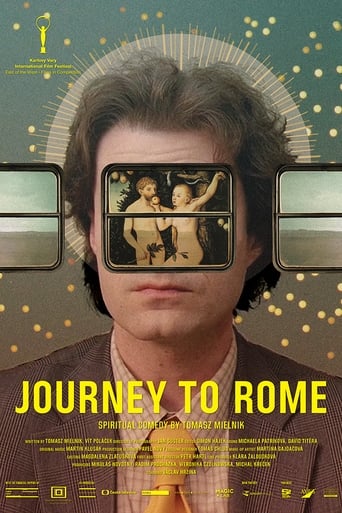 Journey to Rome · 2015
Journey to Rome
★ 6.72015
MovieComedy
Vašek learns that he is dying, so he steals a painting and goes to Rome to sell it – he needs money for a healer. Sitting on a train with a fake mustache on his face, he has no idea that he has, in fact, been sent on a spiritual quest of his life by a beautiful girl. His pursuers look as if they were transported from a 1970’s movie, yet his attention is constantly drawn to the other passengers, who pull him into their own stories with no mercy. Vašek slowly gets lost in a colorful chaos of other people’s destinies, opinions and his own dreams. In the end, his train will take some of them to hell, others to enlightenment or a bizarre epiphany. The film takes a humorous view on all the basic philosophical questions we have heard so many times but that we have yet to find the answers to.
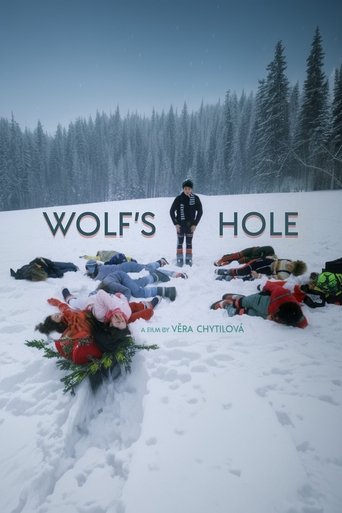 Wolf's Hole · 1987
Wolf's Hole
★ 6.61987
MovieDramaHorror
Eleven disparate adolescents, gathered for a skiing camp at an isolated winter resort, find themselves preyed upon and set against one another by their three mysterious instructors.
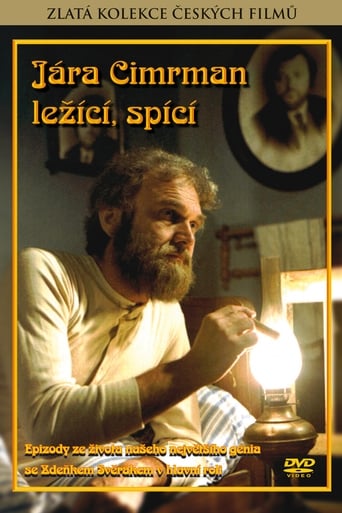 Jára Cimrman Lying, Sleeping · 1983
Jára Cimrman Lying, Sleeping
★ 8.21983
MovieComedy
Czechoslovak comedy film directed by Ladislav Smoljak, about the fictional national hero Jára Cimrman (universal genius, inventor, sportsman, criminalist, poet, writer and philosopher).
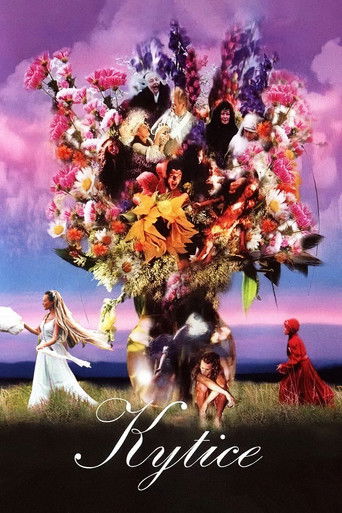 Wild Flowers · 2000
Wild Flowers
★ 6.52000
MovieDramaHorror
Seven seemingly unconnected fairy tales - glued together only by folklore, mood, color and light - make up this Czech collection of visual poetry. The original piece of literature, written by Karel Jaromír Erben in 1853, contained twelve tales.
 Celebration in the Botanical Garden · 1969
Celebration in the Botanical Garden
★ 6.71969
MovieFantasyAdventure
Maria, an inn keeper, is always a bride but never a wife. She meets newcomer Pierre, who disturbs the peace of the small village and teaches the locals how to enjoy life. E. Havetta's debut was inspired by naïve art, French impressionism, silent slap-stick and Western Slovakian folk traditions.