A
Acting
Alexandru Lungu
Born April 8, 1928 · Miorcani, Botoșani, Romania (age 98)
No biography available.
Known For
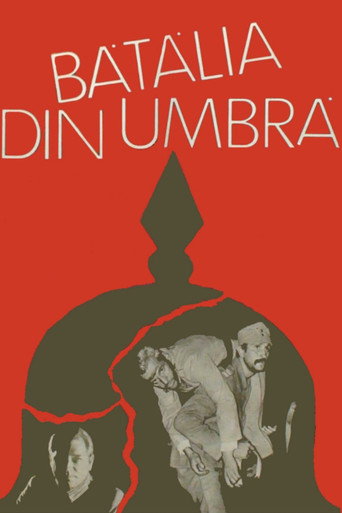 Bătălia din umbră · 1986
Bătălia din umbră
★ 7.01986
MovieAction
In WWI a group of Romanian soldiers from Transylvania desert the german army and consitute a resistance commando group.
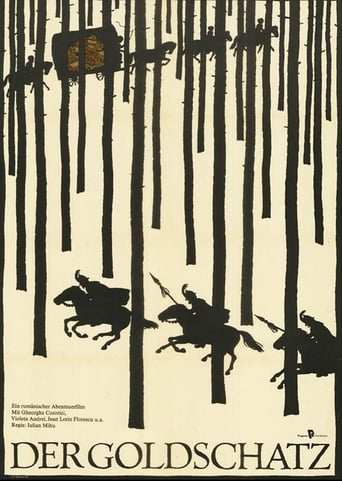 Comoara · 1983
Comoara
★ 5.41983
MovieAdventure
A local Romanian chieftain in 16th century Transylvania discovers a great treasure of Decebalus. He decides to send it for safekeeping in Moldavia, but he has to evade the Transylvanian prince and the king of Hungary, who get wind of it and want it for themselves.
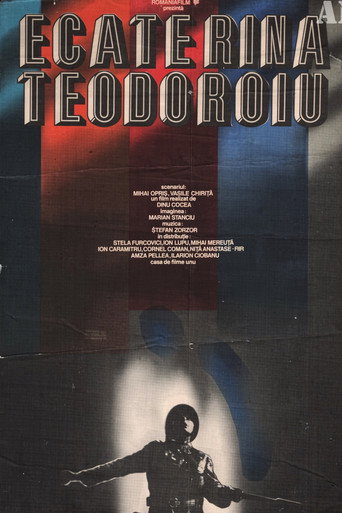 Ecaterina Teodoroiu · 1979
Ecaterina Teodoroiu
★ 7.11979
MovieWarDrama
The story of heroine Ecaterina Teodoroiu, the only woman who fought in the Romanian Army during World War 1.
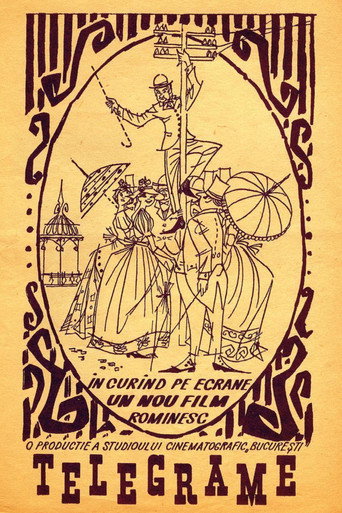 Telegrams · 1960
Telegrams
★ 7.71960
MovieComedy
Geared more for the home crowd with a good knowledge of their own history, this Romanian political comedy takes place at the turn of the 20th century, when two opposing factions are going at each other tooth and nail to win an election. One candidate is a staunch if not deluded conservative and the other is a radical liberal. Anticipating modern election campaigns by a good half a century, the two candidates decide that the best way to win is to sling as much mud as possible. Lacking the Internet and fifteen-second TV spots, they do the best they can -- they send each other virulent telegrams denouncing each other's personal failings.
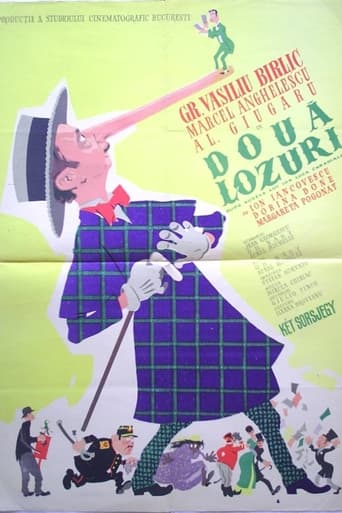 Two Lottery Tickets · 1959
Two Lottery Tickets
★ 8.11959
MovieComedyDrama
1957 film adaptation of Romanian playwright Ion Luca Caragiale's novella “Două loturi” (Two Lottery Tickets, 1901). The scenario was written by director Jean Georgescu, one of the most skilled Romanian filmmakers of the 1940s and 1950s, while the directing belongs to Aurel Miheleş and Gheorghe Naghi, at that time both recently graduated from the All-Union State Institute of Cinematography in Moscow. This is the second feature film in colour from Romania. Despite the great public success, the film was often criticized by reviewers, mostly for its unhandy directing from the two debutants. Miheleş and Naghi would however continue their collaboration and release another two Caragiale adaptations, of which “Telegrame” (Telegrams, 1959) was nominated for the Palme d'Or (Golden Palm) at the 1960 edition of the Cannes festival.
 A Clod of Clay · 1990
A Clod of Clay
★ 7.51990
MovieDrama
A movie about the friendship between Ion Creanga and Mihai Eminescu.
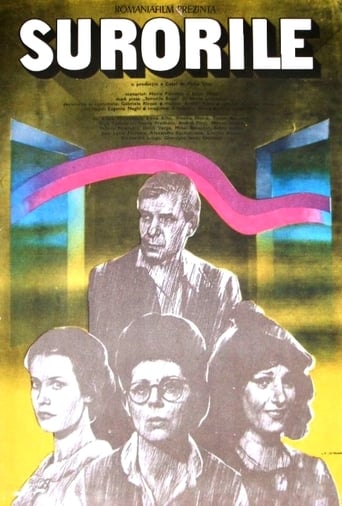 Surorile · 1984
Surorile
★ 6.01984
MovieDrama
Three sisters that had a tranquil life in a town suffer dramatic life changes at the end of WW2.
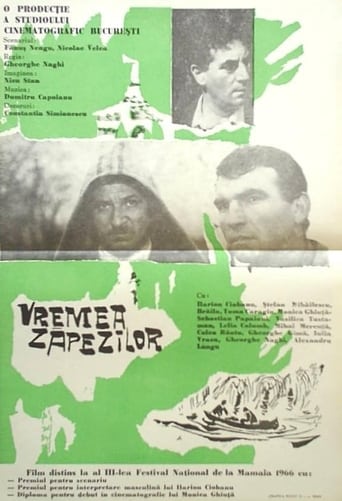 Snowfall Season · 1966
Snowfall Season
★ 5.71966
MovieDrama
Pavel has to confron his father in law, who is decided to compromise him in front of the village.