Directing
Wen Pulin
Born January 1, 1957 · Shenyang, Liaoning Province, China (age 69)
Wen Pulin is an art critic, writer, independent producer and documentary filmmaker. Since the 1980s, he has documented the development of Chinese contemporary art in the form of the moving image, photography, interviews and texts. Wen also lived in Tibet for many years and made many documentaries about Tibetan culture.
Known For
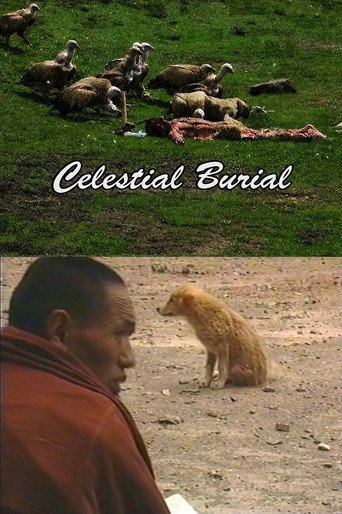 Celestial Burial · 1993
Celestial Burial
1993
MovieDocumentary
This documentary follows the whole process of a celestial burial ceremony in Tibet. It shows Tibetan religious customs, arts, and many vanishing life styles.
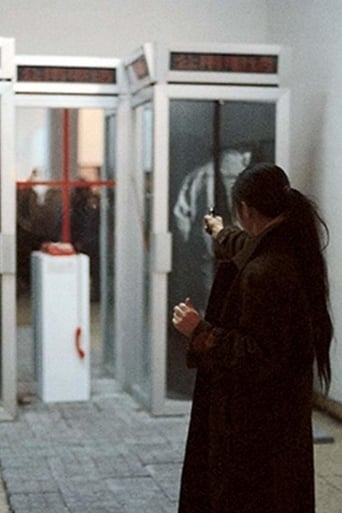 Seven Sins: 7 Performances during 1989 China Avant-Garde Art Exhibition · 2016
Seven Sins: 7 Performances during 1989 China Avant-Garde Art Exhibition
2016
MovieDocumentary
In 1989, a group of avant-garde artists who had collaborated in private for years received permission to organize their own exhibition at the National Art Museum of China. However, one of the terms was to exclude performance artists from participating. The seven artists who were left out took action. At the opening ceremony, their lives changed as the sounds of gunfire rang out.
 My 1980's · 2019
My 1980's
★ 7.02019
MovieDocumentary
Highlights the rebellious young generation of artists in China fighting for political emancipation, artistic freedom and creating a cultural golden age during the 1980s - a significant decade of transformational change. Interweaving six main characters' memories with the director's personal narration, the film embarks on an emotional journey and tells a story of being passionate and idealistic before dreams are dashed to pieces.
 The Sacred Site for Asceticism · 1993
The Sacred Site for Asceticism
1993
Movie
Qingpu is a famous sacred mountain in Tibet, where countless monks have practiced for thousands of years. In 1989, Wen Pulin and Duan Jinchuan followed several monks up the mountain and took video of them. After three years, they revisited the same people and got a little closer to understanding their lives. As an in-depth dialogue with down-to-earth, rural people in Tibet, the film strives to understand Buddhism both as a philosophy, but also as a personal choice of lifestyle, as a transcendence of the chaos of life.
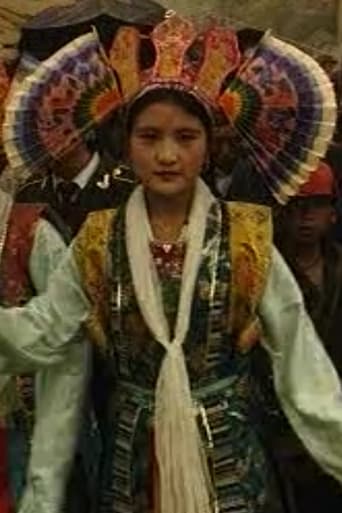 The Residents of Lhasa's Potala Square · 1992
The Residents of Lhasa's Potala Square
1992
Movie
Independent documentary by Jiang Yue.
 Tibet #3 · 1998
Tibet #3
1998
Movie
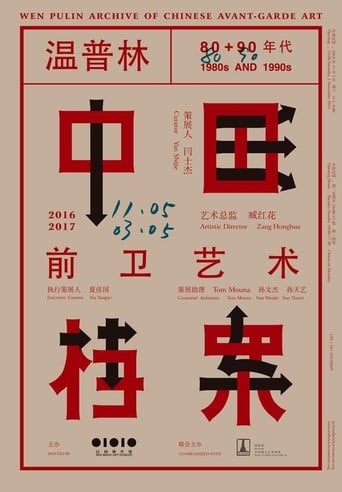
Third short film on Tibet, 'Murals and Stone Carvings of Lama Temple,' from Wen Pulin's Archive of Chinese Avant-Garde Art.
 Bajiao Street · 1992
Bajiao Street
1992
Movie
A documentary film showing the oldest street in Lhasa, Bajiao St., also called Bakhor or Baghor), located in the town center. In the past, Bajiao was only used as a ritual circumambulation route, "a saint road" in the eyes of the Tibetans. Now it's developed into an old shopping district with colorful Tibetan houses lining the street, and the ground paved with man-made flagstones, preserving its ancient look. The film also shows the social conditions, customs, and spirtual lives of the Tibetan inhabitants.
 Tibet: 10 Years · 1999
Tibet: 10 Years
1999
Movie
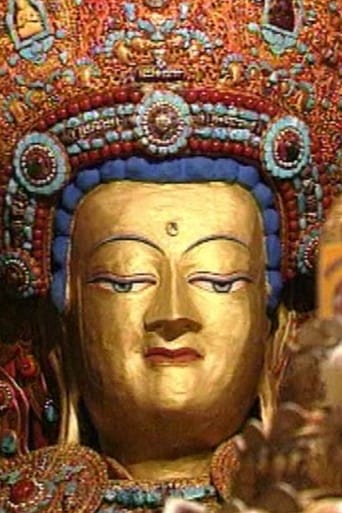
The Wen brothers, as director and photographer of the film, documented their 10 years of journey in Tibet, from 1989 to 1999. Their film investigates the social conditions, customs, and the spiritual life of Tibetans.
Filmography
Sort