Acting
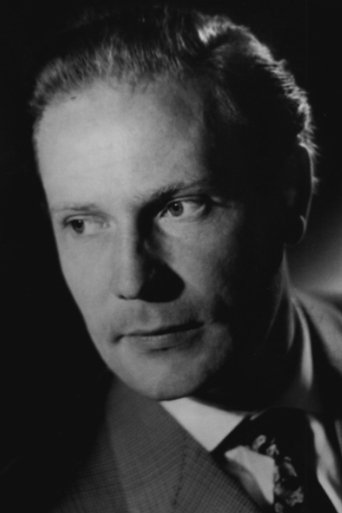
Harald Halgardt
Born August 5, 1927 · Bremen, Germany (age 99)
No biography available.
Known For
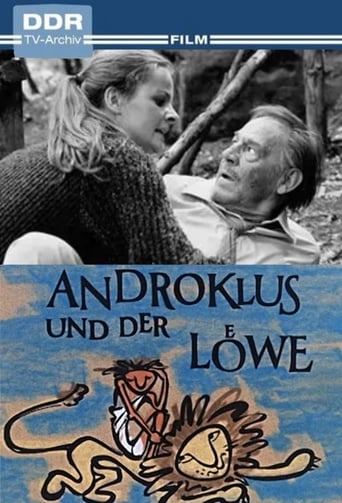 Androcles and the Lion · 1969
Androcles and the Lion
★ 7.01969
MovieDramaComedy
Rome at the time of the persecution of Christians: Androclus, a poor tailor, frees a lion in the forest from terrible pain caused by a thorn in his paw. The two meet again by chance when the devout Christian is about to be thrown to wild animals in the arena. The lion spares him with gratitude, but the real danger for Androklus comes from another direction.
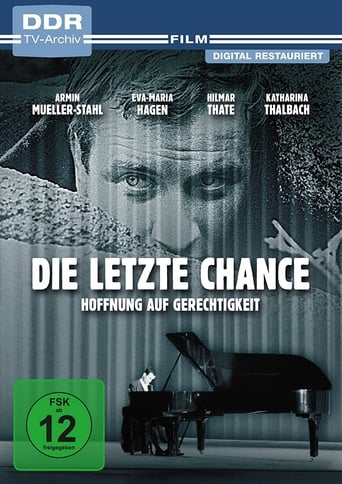 Die letzte Chance · 1962
Die letzte Chance
★ 10.01962
MovieDrama
It is a fateful moment: during one of his concerts, Jewish pianist Klaus Seiser discovers Gestapo officer Dr. Becker in the audience. He had imprisoned and harassed the young Seiser in 1943 because of a leaflet. Although the musician had managed to escape from prison at the time, he was caught at the Swiss border and Becker had him sent to Dachau concentration camp. Now, years after the end of the Nazi regime, Seiser denounces the Gestapo man and hopes for justice.
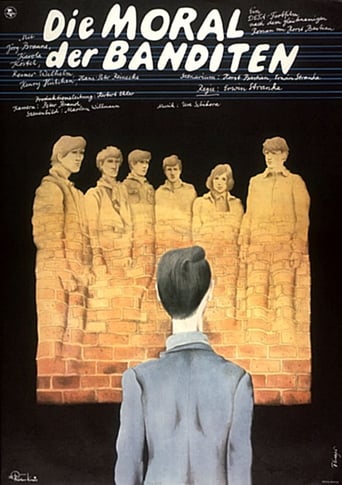 Die Moral der Banditen · 1976
Die Moral der Banditen
★ 10.01976
MovieDrama
In a post-war village, children and young people come together to form a gang to do justice their own way. They go astray, commit crimes and have to realize that the 'objective chance to change life' does not necessarily coincide with their own subjective views and their implementation.
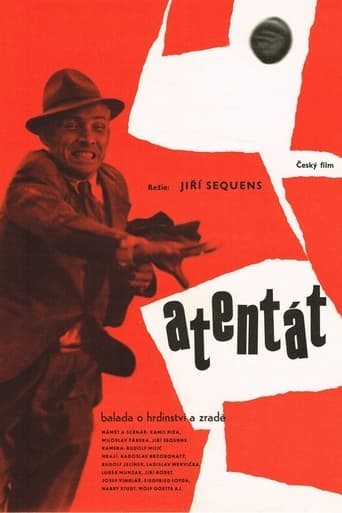 Assassination · 1965
Assassination
★ 7.51965
MovieWarDrama
In autumn 1941, Reich Protector Reinhard Heydrich’s brutal rule in occupied Bohemia and Moravia fuels Czech resistance. In spring 1942, the government-in-exile sends trained paratroopers led by Lt. Král on a mission to assassinate him. Masters Strnad and Vyskočil ambush Heydrich’s open Mercedes in Prague’s Libeň district, mortally wounding him despite a jammed submachine gun. Their success triggers harsh Nazi reprisals, mass executions, and an intense manhunt for the operatives.
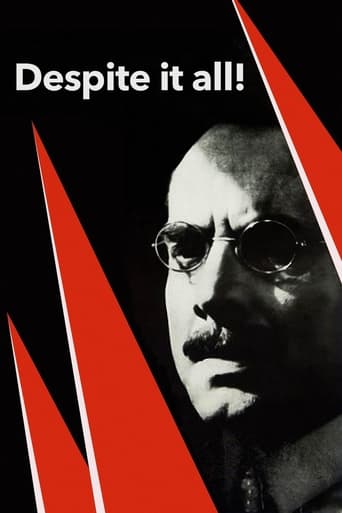 Despite It All! · 1972
Despite It All!
★ 7.21972
MovieDramaWar
October 1918: Karl Liebknecht is released from prison and Berlin workers celebrate his release. Although WWI is almost over, the German Kaiserreich in vain sends its last reserves to the slaughter. The working class is in a rebellious mood; the uprising of Kiel’s sailors against war and militarism sets off a call for revolution led by Liebknecht. On November 9, Liebknecht declares the Free Socialist Republic of Germany. But pro-Kaiser military and right wing Social Democrats oppose him.
 Mir nach, Canaillen · 1964
Mir nach, Canaillen
★ 6.61964
MovieAdventureComedy
A wild story set in eighteenth-century Prussia. Alexander can do everything that a real devil of a fellow must be able to do: ride, shoot, love and devise clever plots. As a result, he is able to climb the ladder from herder to chamber master, where he makes a fool of the feudal lords.
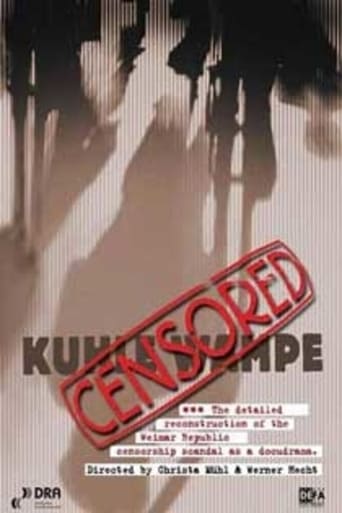 Censored: Kuhle Wampe · 1975
Censored: Kuhle Wampe
★ 10.01975
MovieDocumentaryDrama
A detailed reconstruction of the censorship case against the landmark Weimar-era communist film, Kuhle Wampe, or Who Owns the World? (1932). Directed by Slatan Dudow, the crew and cast included left-wing luminaries, such as playwright Bertolt Brecht, composer Hanns Eisler and balladeer Ernst Busch. The film was the subject of vehement disputes and was banned twice for revolutionary and communist tendencies that were perceived to threaten the state. About 230 meters of the original film fell victim to the censor’s shears. This historic censorship case was argued over the course of three sessions. Censored: Kuhle Wampe re-enacts the censorship hearings, based on original minutes and documents, as well as personal records of the case. In addition to footage from the original film, this docudrama includes original clips of Berlin in the 1920s and '30s and short testimonies, filmed in the 1970s, with some of the actors involved in the original Kuhle Wampe film production.
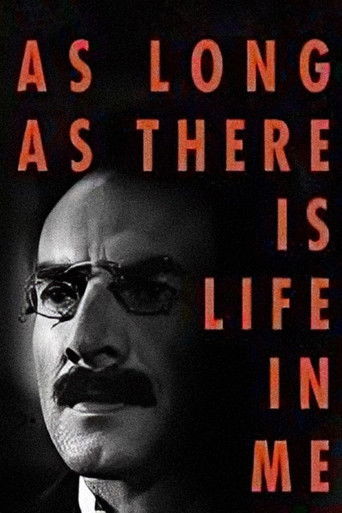 As Long as There’s Life in Me · 1965
As Long as There’s Life in Me
★ 10.01965
MovieDrama
This is part one of a two-part biopic about Karl Liebknecht. In 1914, Germany is arming itself for war. Karl Liebknecht, left-wing revolutionary Social Democrat, workers’ leader and a virulent antimilitarist, is one among 110 SPD members of Parliament who vote against approving war loans. From then on, he is considered un-German and a traitor to the fatherland, and his own party’s leadership turns against him. Despite threats, Liebknecht speaks up against the war and writes the manifesto “The Main Enemy Is at Home.” Even when he is arrested and charged with treason, he does not surrender.
Filmography
Sort