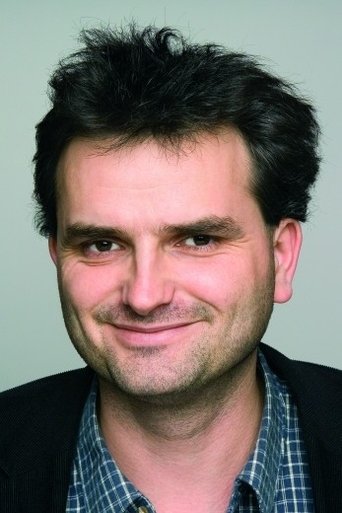
Jan Gogola ml.

Directing

Jan Gogola ml.

Born August 24, 1971 (age 54)

No biography available.

Known For

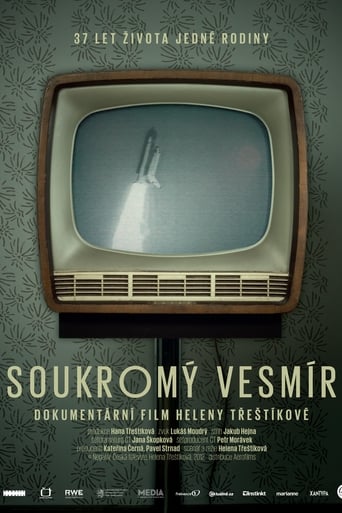
Private UniversePrivate Universe · 2012
Private Universe
7.02012
MovieDocumentary
Honza was born in 1974 into the cheerless era of socialism in Czechoslovakia. At that time, his parents Jana and Petr lived in one room in the apartment of Jana's divorced mother and her widowed grandmother. A few years later, the family moved from Prague to Liberec where Petr found a job and a little house for the family. When Honza was born, his father began writing a family chronicle and he has continued to do so for 37 years. "Private Universe" show not only the life of one ordinary family, but also how the Czech society has changed in last four decades. Who are we, where do we come from and where do we go?
ChataChata · 2024
Chata
2024
MovieDrama
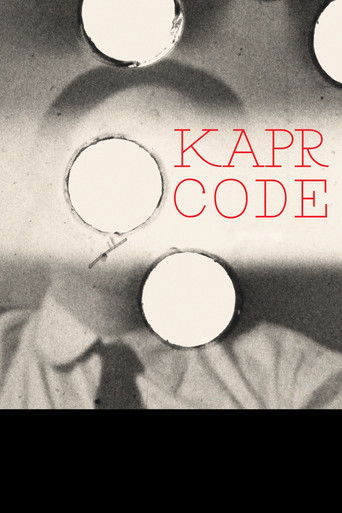
Kapr CodeKapr Code · 2022
Kapr Code
6.32022
MovieDocumentaryMusic
This film traces the life of Jan Kapr, a prominent Czech composer of the 20th century. A documentary opera with an ambitious libretto and playful and refined editing work, Kapr Code is an unexpected celebration of creativity that shakes up our ideas of biography and pays tribute to the importance of resisting homologation and censorship through art and creation.
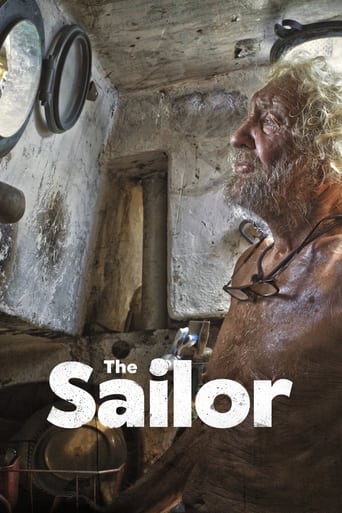
The SailorThe Sailor · 2021
The Sailor
6.72021
MovieDocumentary
Eighty-year-old Paul Erling Johnson is a man most people might walk past, never guessing he was once a seafaring adventurer and famous boat designer.
A Hole In The HeadA Hole In The Head · 2017
A Hole In The Head
6.32017
MovieDocumentary
A pig farm in Lety, South Bohemia would make an ideal monument to collaboration and indifference, says writer and journalist Markus Pape. Most of those appearing in this documentary filmed in Slovakia, the Czech Republic, Poland, France, Germany and Croatia have personal experience of the indifference to the genocide of the Roma. Many of them experienced the Holocaust as children, and their distorted memories have earned them distrust and ridicule. Continuing racism and anti-Roma sentiment is illustrated among other matters by how contemporary society looks after the locations where the murders occurred. However, this documentary film essay focuses mainly on the survivors, who share with viewers their indelible traumas, their "hole in the head".
A New ShiftA New Shift · 2021
A New Shift
6.02021
MovieDocumentaryDrama
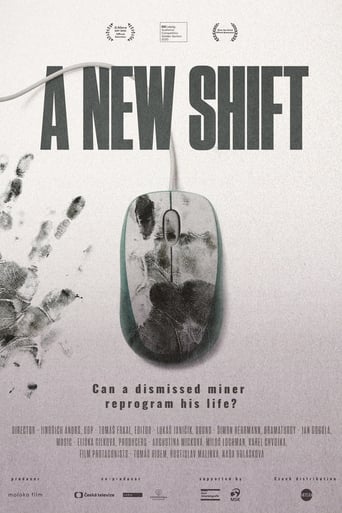
For Tomáš the mine is the centre of his life, along with soccer, his kids and the cosy after-work beer. The 44-year-old has worked as a miner for 21 years, until the mine was closed down for economic reasons. Tomáš then re-trains as a coder in the appropriately named educational programme “New Shift”. What he doesn’t know yet is that his new skills alone won’t get him out of the crisis. A film about a tug-of-war with fate and the employment market.
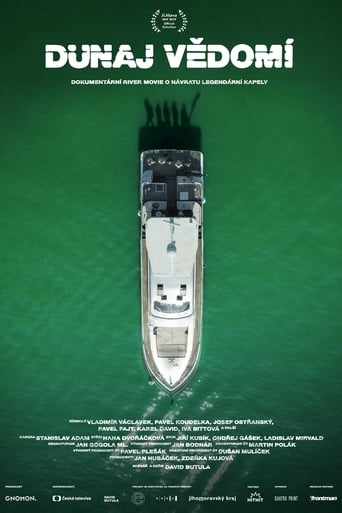
Dunaj vědomíDunaj vědomí · 2020
Dunaj vědomí
2020
MovieDocumentaryMusic
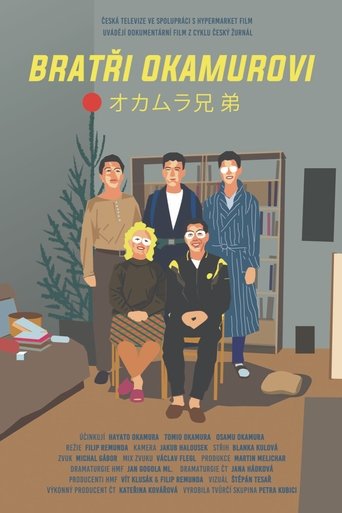
The Okamura BrothersThe Okamura Brothers · 2019
The Okamura Brothers
2019
MovieDocumentary
When the Okamura brothers left Japan with their mother as children, their grandmother looked after the eldest, Hayato, whilst their mother was ill, whilst Osamu and Tomio spent just under a year in a children’s home. Yet this continuing story of one family gave rise to very different destinies. Their political careers have placed Hayato and Tomio on opposite sides of the ideological spectrum. Hayato has dedicated his life to Christian values and the pursuit of consensus, whilst Tomio ‘protects’ the Czech people from a wave of immigrants. The youngest brother, Osamu, who works as an architect, can be found, for example, at a demonstration for the rights of the Roma. The intertwining of the three brothers’ current, often conflicting visions serves as concrete evidence of how personal and social experiences shape the political landscape.

Filmography

Sort
A Hole In The HeadA Hole In The Head · 2017
A Hole In The Head
6.32017
MovieDocumentary
A pig farm in Lety, South Bohemia would make an ideal monument to collaboration and indifference, says writer and journalist Markus Pape. Most of those appearing in this documentary filmed in Slovakia, the Czech Republic, Poland, France, Germany and Croatia have personal experience of the indifference to the genocide of the Roma. Many of them experienced the Holocaust as children, and their distorted memories have earned them distrust and ridicule. Continuing racism and anti-Roma sentiment is illustrated among other matters by how contemporary society looks after the locations where the murders occurred. However, this documentary film essay focuses mainly on the survivors, who share with viewers their indelible traumas, their "hole in the head".

Dramaturgy

The Okamura BrothersThe Okamura Brothers · 2019
The Okamura Brothers
2019
MovieDocumentary
When the Okamura brothers left Japan with their mother as children, their grandmother looked after the eldest, Hayato, whilst their mother was ill, whilst Osamu and Tomio spent just under a year in a children’s home. Yet this continuing story of one family gave rise to very different destinies. Their political careers have placed Hayato and Tomio on opposite sides of the ideological spectrum. Hayato has dedicated his life to Christian values and the pursuit of consensus, whilst Tomio ‘protects’ the Czech people from a wave of immigrants. The youngest brother, Osamu, who works as an architect, can be found, for example, at a demonstration for the rights of the Roma. The intertwining of the three brothers’ current, often conflicting visions serves as concrete evidence of how personal and social experiences shape the political landscape.

Dramaturgy

Circus RwandaCircus Rwanda · 2018
Circus Rwanda
5.52018
MovieDocumentary
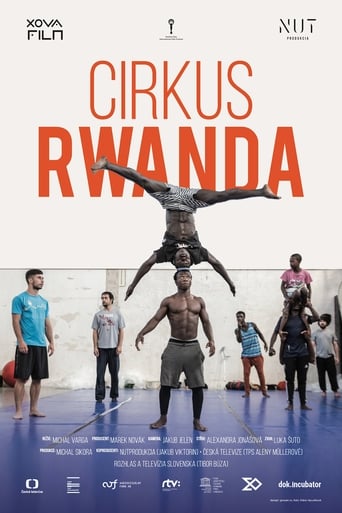
Eliseé survived the Rwandan genocide as a child. Today he leads an orphan acrobat group in a country, which heavily relies on foreign aid. He cares for the orphaned children and wants them to be happy, to have some sense in their lives. Rosta Novák built a worldwide-acclaimed circus group in Prague, where he successfully rules with a firm, paternal hand, but has permanently dark under-eye circles from the workload. The majority of Rwandese think that all people in Europe are fairy rich. On the other hand, many Europeans think that it is necessary to help Africa with everything. What happens, if we merge these two worlds in a film, during the preparation of a joint circus performance? What are the true motivations of our protagonists and what does it tell us about the Africa-Europe relationship? And who actually helps whom, in the end?

Dramaturgy