Directing
Erica Sheu
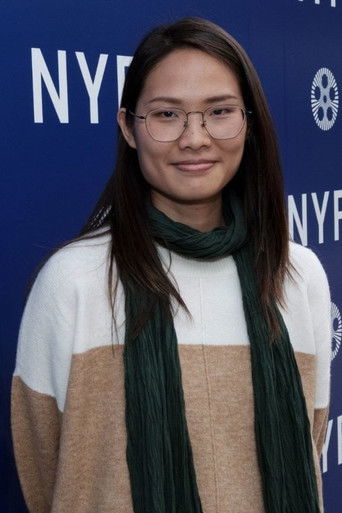
Erica Sheu/徐璐 makes short films, expanded cinema and installation based on celluloid film. Her work is often about diary filmmaking, cross-generational memories, history and language, collective singularity, and/or Taiwanese identity politics. Her experimental short films have been shown at NYFF Currents, TIFF Wavelengths, IFFR Bright Future, International Short Film Festival Oberhausen, (S8) Most…
Known For
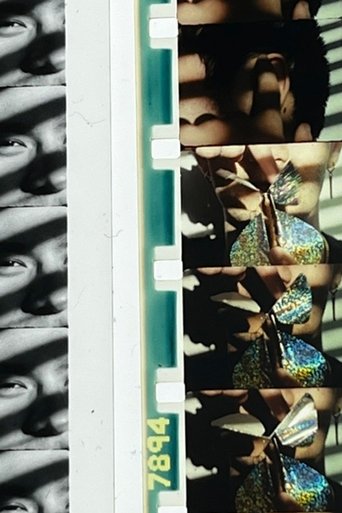 False Expectations · 2023
False Expectations
★ 10.02023
Movie
False Expectations is a 3-channel 16mm expanded cinema with a scored live noise performance by Shrine Maiden. Finding and preserving memories of connections and tenderness in dead flowers, in between blinds, slants of shadows and hand processed film frames.
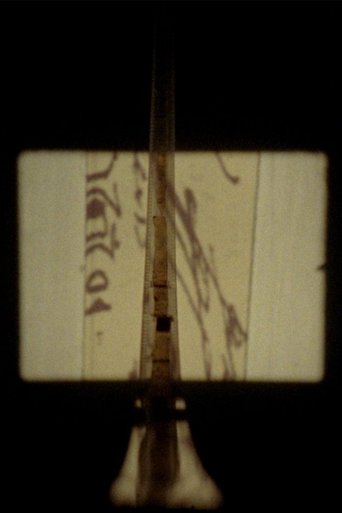 birthday song · 2022
birthday song
2022
Movie
Notes for a film about birthday are deconstructed, cropped and stuck to clear film leaders to project in loops. As if an endless umbilical cord pulling out from a womb, this "interior scroll" is filled with unrecognizable writing that becomes simply moving images continuing to advance.
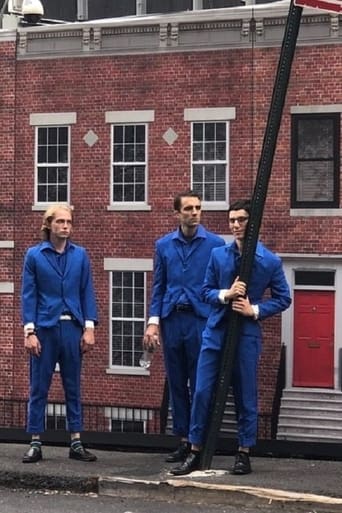 Reach Capacity · 2020
Reach Capacity
2020
Movie
Almost forty years after its first appearance in You The Better, the house returns as a character in Beckman’s new work Reach Capacity, now symbolising real estate. The economic and political elements and the structure of the film are closely associated with the most famous of all board games dealing with real estate, Monopoly. Its origins go back to the early 1900s, when Elizabeth Magie created a first version of what she called The Landlord’s Game. Magie’s game had two sets of rules, a Prosperity set and a Monopolist set (only the latter was kept by Parker Brothers when they further developed the game without her). Magie’s aim was to illustrate how society as a whole thrives when monopolies are banished and income is distributed equally. Beckman takes over Magie’s dual game structure by having her screen flip over when a monopoly is reached.
 Rainy Dog · 2017
Rainy Dog
2017
Movie
Everything was not planned. We started the day, in a basement in Queens, New York, watching a Japanese cult film, Rainy Dog, which was shot in my hometown, Taipei, Taiwan. Hand-processed and solarized the film to hide the anxiety of unsureness. This film is a part of the Camera Rolls series by Erica Sheu.
 First Draft · 2017
First Draft
2017
Movie
This split screen film is a note on my recent readings as a self-realization. This is a part of the Camera Rolls series by Erica Sheu.
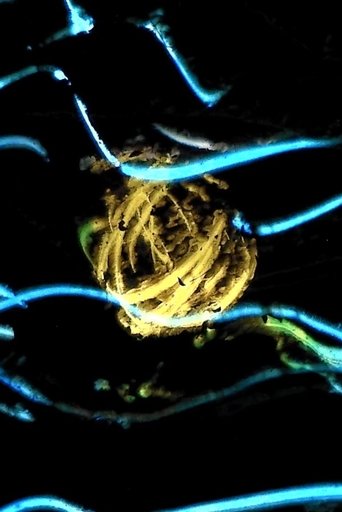 Insomnia · 2017
Insomnia
2017
MovieAnimation
An animation scratching on 16mm black leader.
 Afternoon · 2017
Afternoon
2017
Movie
Inspired by Jonas Mekas's essay, The Diary Film, this film raises a question of what a person is looking at out of the window. The three-act structure gradually reveals that the focus was drawn to the domestic life of the Asian neighborhood - a visual connection to the hometown. This film is part of Camera Rolls series by Eria Sheu.
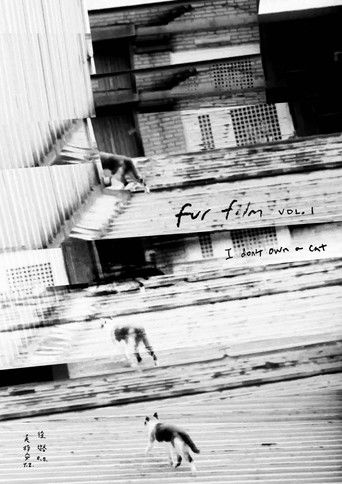 Fur Film Vol.1: I don't own cat
Fur Film Vol.1: I don't own cat
Movie
The cat I don't own runs through windows between different spaces and times, and it disappears before finishing a sentence. Using outtakes and rushes (what "fur film" means in Mandarin) to redeem the affects in these images we produced for. The film is the first volume of an ongoing exchange diary project between Erica SHEU and Tzuan WU. From the filming exercises and hand processing from the very beginning, we collaborate and experiment with different workflows of audio and visual between Taiwan and USA.
Filmography
Sort