Directing
Kazuo Kuroki
Born November 10, 1930 · Matsukasa, Japan
Died April 12, 2006 · aged 75
Kazuo Kuroki (黒木和雄 Kuroki Kazuo) was a Japanese film director who was particularly known for his films on World War II and the question of personal guilt. He attended Doshisha University, but left before graduating, instead finding employment at Iwanami Productions. There he directed PR films and documentary films, while also participating in the "Blue Group" (Ao no kai) with other Iwanami filmma…
Known For
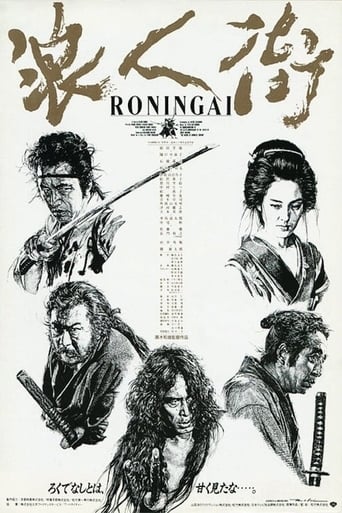 Ronin-gai · 1990
Ronin-gai
★ 6.21990
MovieHistoryDrama
Near the end of Japanese civil war, several disgraced ronin living in Edo's red light district attempt to regain their honor by defending a brothel from a hostile militia bent on wiping out local prostitutes.
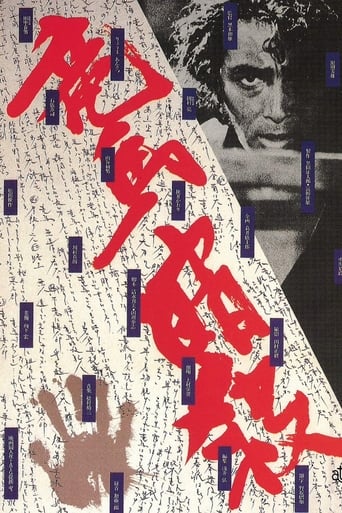 The Assassination of Ryoma · 1974
The Assassination of Ryoma
★ 4.81974
MovieDramaComedy
Story of the last three days in the life of Sakamoto Ryoma (1836-1867), the imperial loyalist who tried to unite the Choshu and Satsuma clans and prepared the way for the Meiji Restoration (1868).
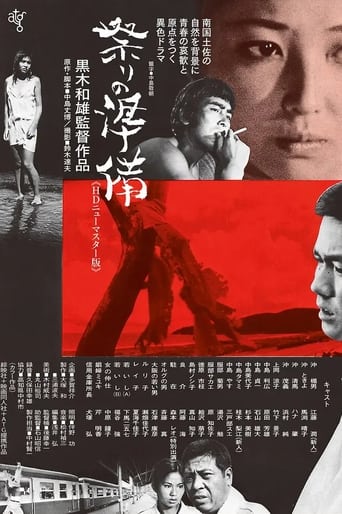 Preparation for the Festival · 1975
Preparation for the Festival
★ 5.41975
MovieDrama
Tateo, young and neurotic, wishes to leave the village his mother has raised him in.
 Silence Has No Wings · 1966
Silence Has No Wings
★ 6.91966
MovieDrama
After a young boy captures a rare butterfly in Nagasaki, a caterpillar begins a relay-trip toward the northern tip of Hokkaido, serving as a silent witness to a series of vignettes featuring people struggling with the psychological and social scars of post-war Japan.
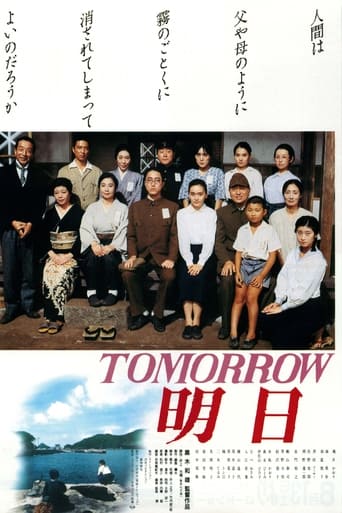 Tomorrow · 1988
Tomorrow
★ 8.01988
MovieDrama
On August 9, 1945, the Americans dropped an atomic bomb on Nagasaki. This film, based on a story by Mitsukaru Inoue, describes the daily life of people in Nagasaki the day before that fateful event. It presents the human drama of people's lives, and their feelings of joy and sadness. These include a newlywed couple, an expectant mother, and lovers who must say farewell because the boy is called to serve in the army. Each of these people, like others in the city, hoped to live with their dreams for ‘tomorrow’. But tomorrow never comes for them, as their lives are brought to an abrupt and unexpected end. Knowing how the story ends, in this case, doesn't detract from it at all; rather, it enhances the emotional impact, which is further heightened by the poignant musical score from Teizo Matsumura. 'Ashita' is the first film in Kazuo Kuroki's 'War Requiem Trilogy,' which also includes 'Utsukushii Natsu Kirishima' (2002) and 'Chichi to Kuraseba' (2004).
 Hear the Wind Sing · 1981
Hear the Wind Sing
★ 6.61981
MovieDrama
A student travels back to Kobe for the summer. Once there, he meets his friend Rat, hangs on the usual place, listening to the Beach Boys and meets a mysterious twin girl.
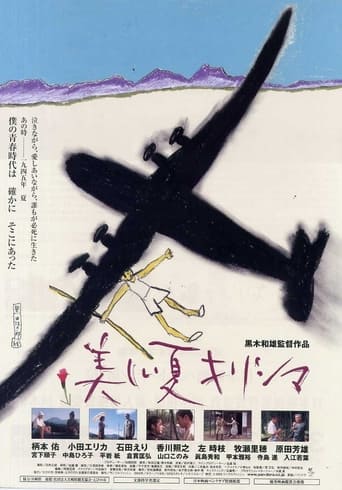 A Boy's Summer in 1945 · 2002
A Boy's Summer in 1945
★ 5.82002
MovieDrama
In the final days of World War II, a 15-year-old boy grappling with survivor's guilt watches a rural Japanese community quietly fracture under the heavy emotional tolls of war.
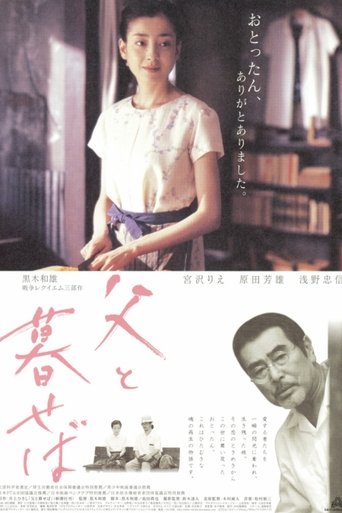 The Face of Jizo · 2004
The Face of Jizo
★ 7.02004
MovieDrama
Based on a play by Hisashi Inoue, it focuses on the sufferings of the survivors of Hiroshima. The film takes place during 4 days in the summer of 1948, as the ghost of her father visits Mitsué (Rié Miyama). He had somehow learned that she has fallen in love, and tries to convince her to start her new life. But Mitsué obstinately refuses his warm and humorous encouragements : « People were killed in my place. I do not have the right to find happiness », she says.
Filmography
Sort