Acting
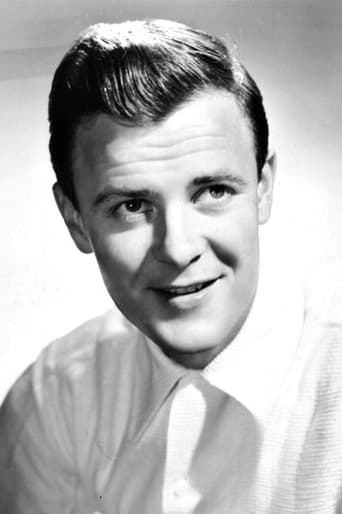
Robert Sterling
Born November 13, 1917 · New Castle, Pennsylvania, USA
Died May 30, 2006 · aged 88
Robert Sterling, born William Sterling Hart (November 13, 1917 – May 30, 2006) was an American film and television actor. The son of baseball player and umpire Bill Hart, he was born in New Castle, Pennsylvania. He attended the University of Pittsburgh and worked as a clothing salesman before pursuing an acting career. After signing with Columbia Pictures in 1939, he changed his name to Robert S…
Known For
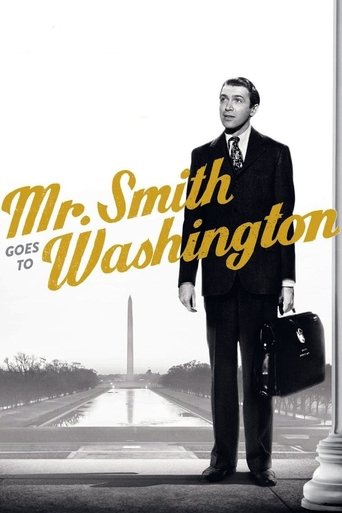 Mr. Smith Goes to Washington · 1939
Mr. Smith Goes to Washington
★ 7.81939
MovieComedyDrama
After the death of a United States Senator, the idealistic Jefferson Smith is appointed as his replacement in Washington. The naive and earnest new senator soon finds himself battling political corruption.
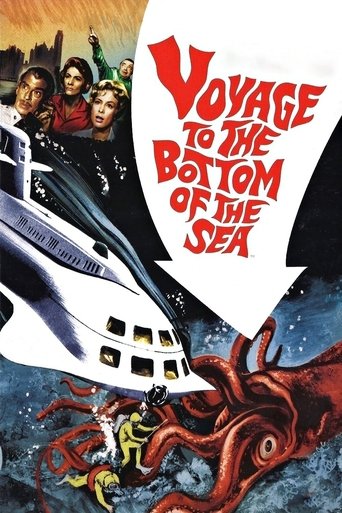 Voyage to the Bottom of the Sea · 1961
Voyage to the Bottom of the Sea
★ 5.71961
MovieAdventureDrama
The crew of an atomic submarine battle to save the world from global destruction.
 Only Angels Have Wings · 1939
Only Angels Have Wings
★ 7.31939
MovieRomanceAdventure
A traveling performer arrives at a remote South American port town where the head of an air freight service must risk his pilots' lives to earn a major contract.
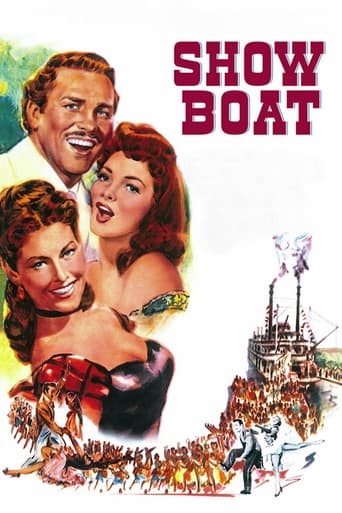 Show Boat · 1951
Show Boat
★ 6.21951
MovieRomanceDrama
A dashing Mississippi river gambler wins the affections of the daughter of the owner of the Show Boat.
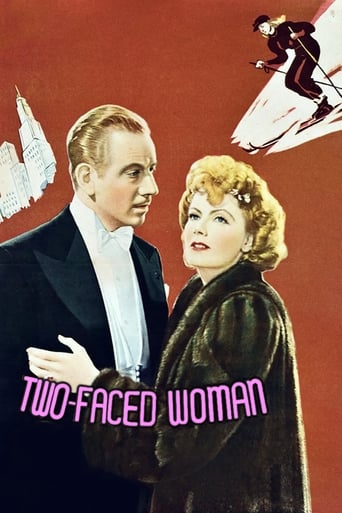 Two-Faced Woman · 1941
Two-Faced Woman
★ 6.41941
MovieComedyRomance
A woman pretends to be her own twin sister to win back her straying husband.
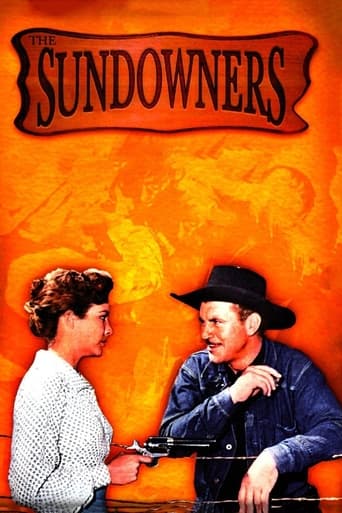 The Sundowners · 1950
The Sundowners
★ 5.21950
MovieActionWestern
Brother is pitted against brother in this tale of fueding ranchers in the old west.
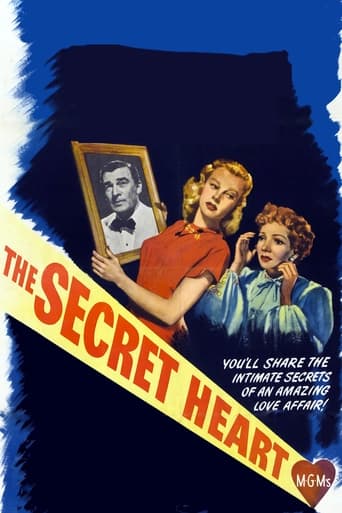 The Secret Heart · 1946
The Secret Heart
★ 6.51946
MovieDrama
Penny Addams lives in a constant state of depression stemming from the trauma of her father's death when she was just a young girl. Her brother, Chase, and stepmother, Lee, work to help Penny process her grief through psychotherapy and revisiting their past, but only the revelation of long-buried family secrets -- including her Lee's secret lover and the true nature of her father's death -- can bring Penny out of her intense despair.
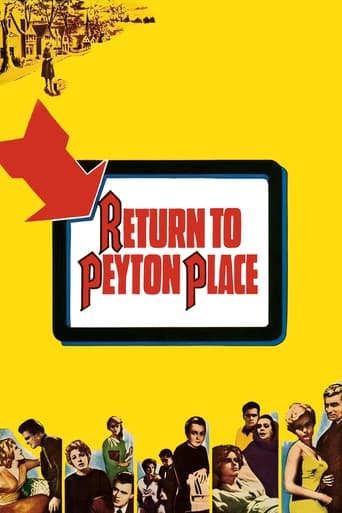 Return to Peyton Place · 1961
Return to Peyton Place
★ 6.61961
MovieDramaRomance
Residents of the small town of Peyton Place aren't pleased when they realize they're the characters in local writer Allison MacKenzie's controversial first novel. A sequel to the hit 1957 film.
Filmography
Sort
Two-Faced Woman · 1941Two-Faced Woman
★ 6.41941
MovieComedyRomance
A woman pretends to be her own twin sister to win back her straying husband.
Dick 'Dickie' Williams
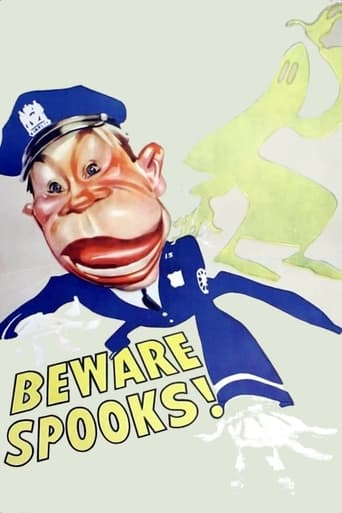 Beware Spooks! · 1939
Beware Spooks!
★ 8.51939
MovieComedy
A bumbling detective chases an escaped convict in an amusement park haunted house in Coney Island.
Bellboy (uncredited)

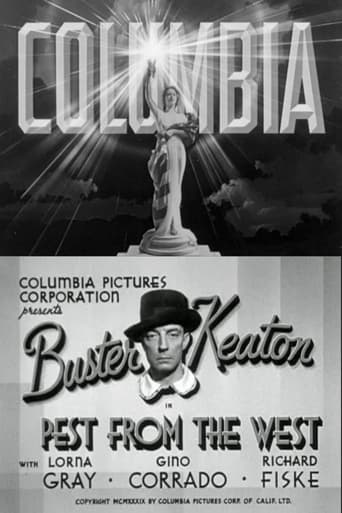 Pest from the West · 1939
Pest from the West
★ 7.11939
MovieComedy
A millionaire vacationing in Mexico falls for a local girl and sets out to win her. This is a reworking of Keaton's 1936 feature The Invader (An Old Spanish Custom).
Cigarette Customer at Adjacent Table (uncredited)
 Blondie Meets the Boss · 1939
Blondie Meets the Boss
★ 5.81939
MovieComedy
Dagwood inadvertently gets cornered in to resigning. When his wife Blondie tries to ask Dagwoods boss Mr. Dithers for his job back, he ends up hiring her instead. This doesn't sit too well with Dagwood. Blondie's sister comes to visit, and Dagwood is put in a compromising situation with another woman.
Office Worker / Man Dancing with Millie (uncredited)