Acting
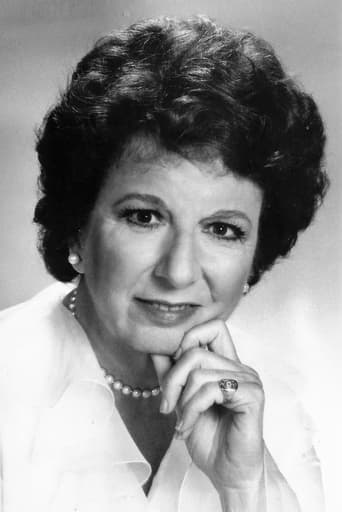
Mary Wickes
Born June 13, 1910 · St. Louis, Missouri, USA
Died October 22, 1995 · aged 85
Mary Wickes (born Mary Isabella Wickenhauser; June 13, 1910 – October 22, 1995) was an American stage, screen, and television actress. Her specialty was wisecracking no-nonsense types.
Known For
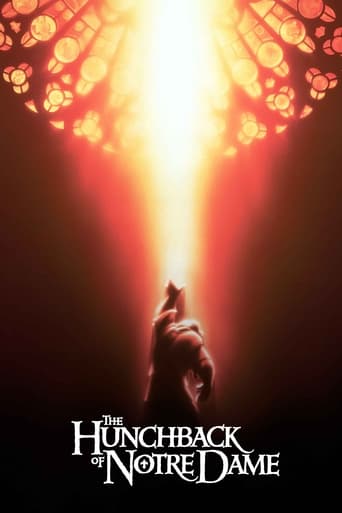 The Hunchback of Notre Dame · 1996
The Hunchback of Notre Dame
★ 7.11996
MovieDramaAnimation
Isolated in the bell tower of Notre Dame, Quasimodo longs to experience the world beyond the cathedral walls, despite the wishes of his stern guardian, the Judge of Paris Claude Frollo. His first venture into the city leads him to Esmeralda, a fearless Romani woman whose defiance of Frollo's tyranny draws her—and Quasimodo—into his dangerous obsession.
 One Hundred and One Dalmatians · 1961
One Hundred and One Dalmatians
★ 7.21961
MovieAdventureAnimation
When a litter of dalmatian puppies are abducted by the minions of Cruella De Vil, the parents must find them before she uses them for a diabolical fashion statement.
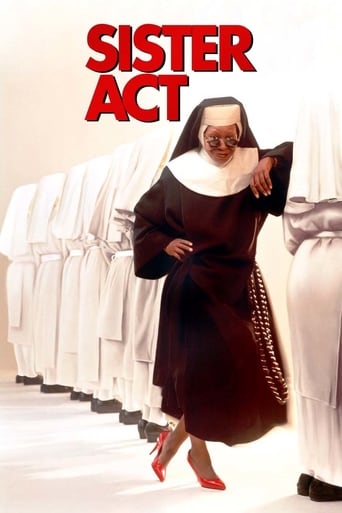 Sister Act · 1992
Sister Act
★ 6.81992
MovieMusicComedy
When lively lounge singer Deloris sees her mobster beau commit murder, she is relocated for her protection. Set up in the guise of a nun in a California convent, she proceeds to upend the quiet lives of the resident sisters.
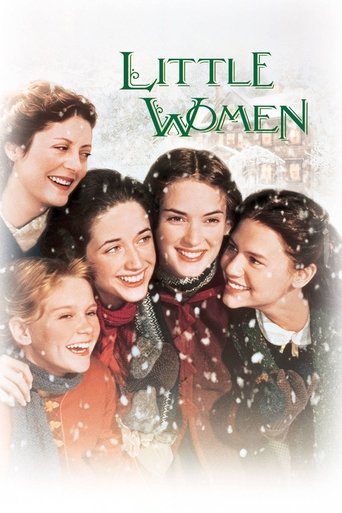 Little Women · 1994
Little Women
★ 7.31994
MovieDramaRomance
Four sisters come of age in America in the aftermath of the Civil War.
 Sister Act 2: Back in the Habit · 1993
Sister Act 2: Back in the Habit
★ 6.41993
MovieMusicComedy
Deloris Van Cartier is again asked to don the nun's habit to help a run-down Catholic school, presided over by Mother Superior. And if trying to reach out to a class full of uninterested students wasn't bad enough, the sisters discover that the school is due to be closed by the unscrupulous chief of a local authority.
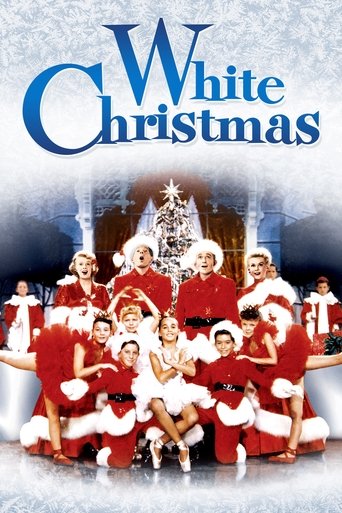 White Christmas · 1954
White Christmas
★ 7.21954
MovieComedyMusic
Two talented song-and-dance men team up after the war to become one of the hottest acts in show business. In time they befriend and become romantically involved with the beautiful Haynes sisters who comprise a sister act.
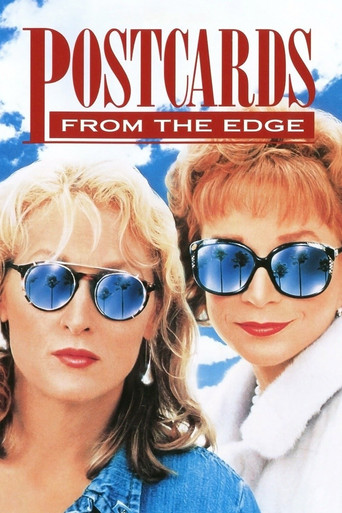 Postcards from the Edge · 1990
Postcards from the Edge
★ 6.61990
MovieComedyDrama
A substance-addicted actress tries to look on the bright side even as she's forced to move back in with her mother to avoid unemployment.
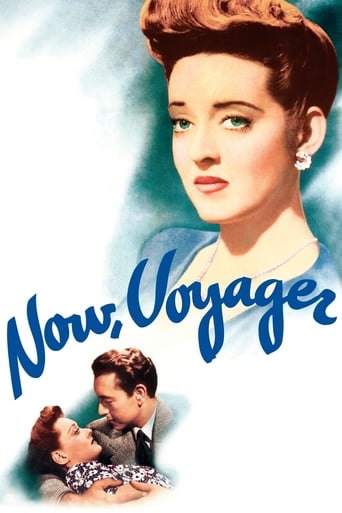 Now, Voyager · 1942
Now, Voyager
★ 7.41942
MovieRomanceDrama
A woman suffers a nervous breakdown and from an oppressive mother before being freed by the love of a man she meets on a cruise.